April 27, 2026
Mold can develop quietly behind walls, under flooring, and in moisture-prone spaces long before it becomes obvious. Knowing when to seek professional mold removals are essential for protecting both your home and your family's health. From musty odors and allergy symptoms to visible staining and past water damage, early warning signs should never be ignored. According to Main Spring Recovery, about 70% of homes have mold in them. Because of how common this issue is, recognizing the signs early can help prevent more extensive structural damage and indoor air quality concerns. Taking prompt action can also help reduce repair costs, improve indoor air quality, and create a safer, healthier living environment for everyone in the home.
Recognizing Health-Related Warning Signs
One of the earliest indicators that mold may be present is a noticeable change in health symptoms inside the home. Persistent coughing, sneezing, watery eyes, sinus irritation, and skin discomfort often worsen when mold spores are circulating through the air. Individuals with asthma, allergies, or weakened immune systems may notice symptoms becoming more severe, especially in rooms with poor ventilation or excess moisture. Children, older adults, and those with chronic respiratory conditions are often especially sensitive to these airborne particles, making early awareness especially important. In some cases, symptoms may be subtle at first and gradually worsen over time, making it easy to overlook the connection to indoor mold exposure.
Respiratory irritation is especially common because mold spores are microscopic and easily airborne. Over time, prolonged exposure can contribute to chronic breathing discomfort, headaches, fatigue, and difficulty concentrating. Some homeowners also report recurring sore throats, nasal congestion, and sleep disturbances when mold is present. If symptoms improve after leaving the home and return upon reentry, professional mold removals may be necessary to locate and eliminate the source. Paying close attention to when and where symptoms worsen can help identify problem areas before the issue spreads further. Rooms with poor airflow, excess humidity, or recent water damage should be evaluated first.
Inspecting Visible Growth and Hidden Spread
Visible mold growth is one of the clearest signs that professional attention is needed. Mold may appear as black, green, white, or gray spots on drywall, ceilings, grout lines, wood, or around windows. Bathrooms, basements, kitchens, laundry rooms, and crawl spaces are among the most common locations due to ongoing humidity and moisture exposure. Areas near sinks, tubs, HVAC vents, and poorly sealed windows should also be inspected regularly.
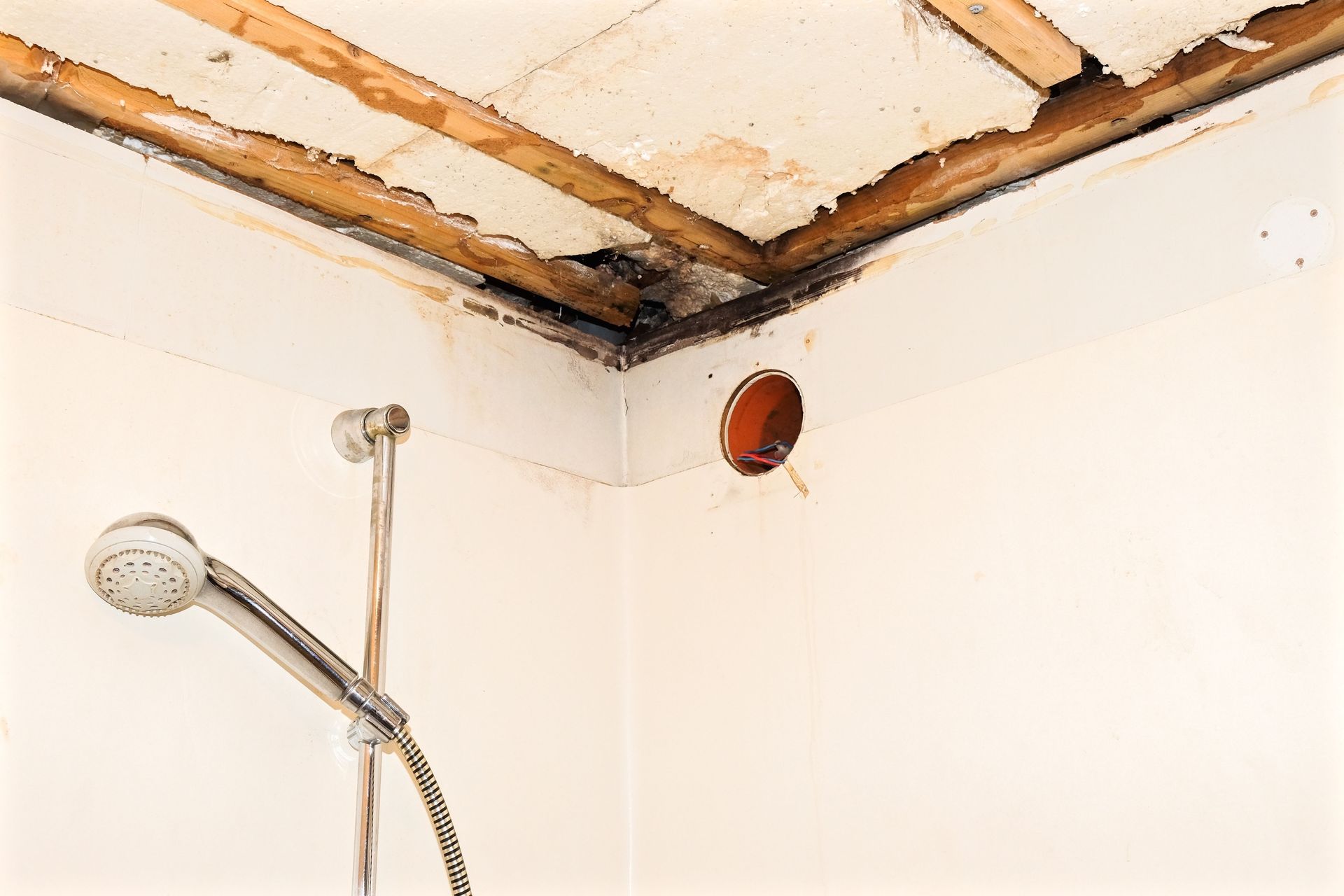
However, visible growth often represents only part of the issue. Mold frequently spreads behind wallpaper, beneath carpeting, inside insulation, and within wall cavities where moisture remains trapped. Peeling paint, bubbling drywall, warped trim, and discolored ceiling stains can all suggest hidden growth. Professional mold removal services can help identify contamination beyond what is visible on the surface and address the full extent of the problem. This is especially important after plumbing leaks or roof issues, where moisture can travel unnoticed through structural materials.
Small patches can quickly expand if the moisture source remains unresolved. What begins as minor spotting may soon affect multiple rooms, making prompt action especially important. Early inspections can help reduce repair costs and prevent more extensive structural concerns. Left untreated, mold can also begin to compromise surrounding materials, including drywall, trim, and subflooring.
Detecting Lingering Odors and Moisture Issues
A persistent musty or earthy smell is another strong sign that mold may be present, even if it cannot be seen. These odors often linger in enclosed areas such as basements, closets, attics, and around plumbing fixtures. When routine cleaning does not remove the smell, the source may be hidden behind walls, under flooring, or inside ductwork. In many cases, odor is the first clue that moisture has been trapped for an extended period.
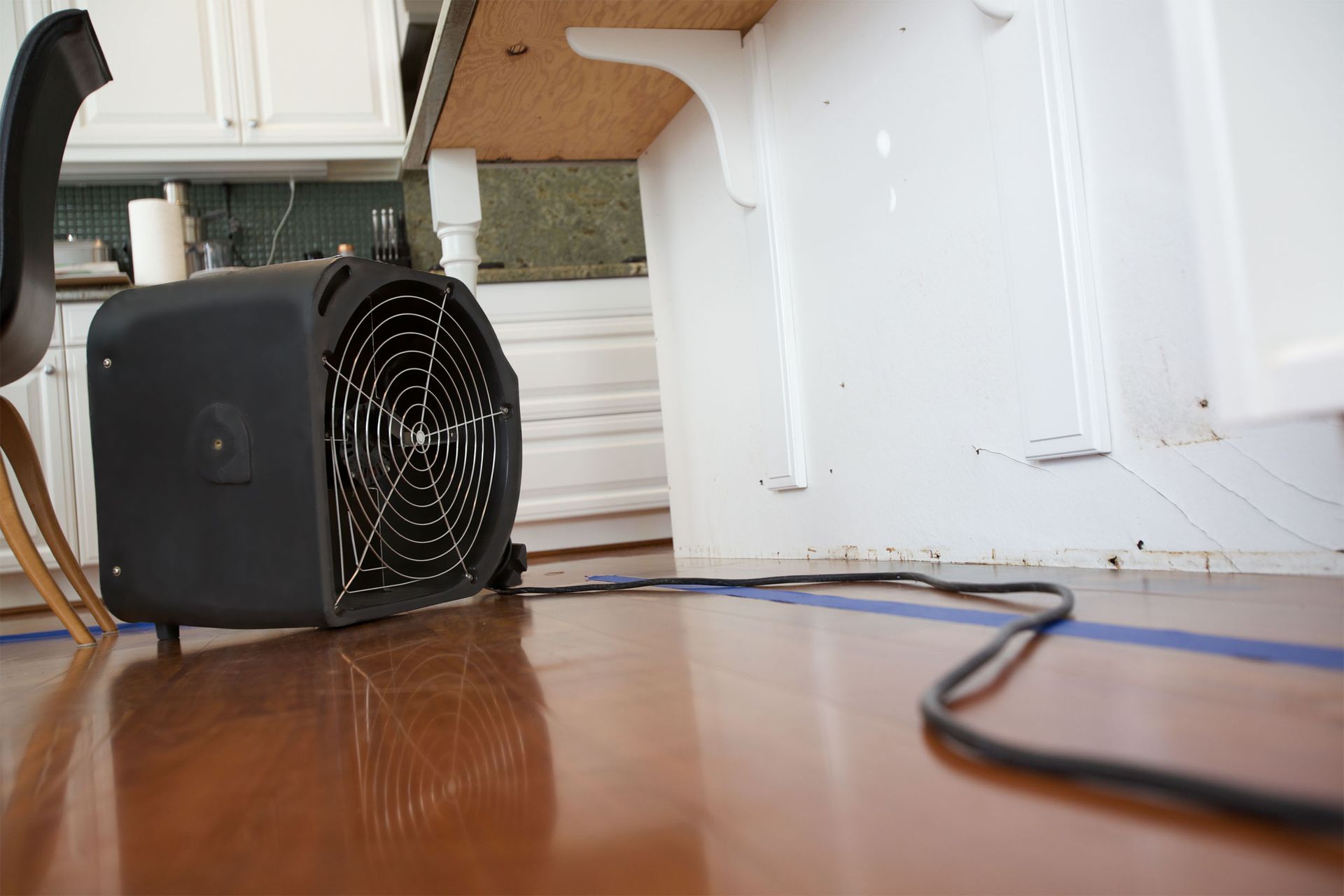
Humidity and moisture are major contributors to mold development. Leaky pipes, roof leaks, condensation around windows, and poor ventilation all create ideal conditions for growth. If certain areas of the home consistently feel damp or humid, mold may already be developing out of sight. Professional mold removal not only addresses existing contamination but also helps identify the moisture source that caused it. Using dehumidifiers and improving airflow can help reduce future risk, but existing contamination should still be professionally assessed.
Addressing Water Damage and Recurring Problems
Past water damage is one of the most common causes of mold growth. Flooding, appliance leaks, burst pipes, roof damage, and plumbing failures often leave behind moisture that becomes trapped inside building materials. Even after visible water is cleaned up, hidden dampness can remain in drywall, insulation, subflooring, and framing. This residual moisture can create the perfect environment for mold growth within just a couple of days.
Water stains, bubbling paint, warped floors, and ceiling discoloration are all signs that moisture may still be present. If a home has experienced previous water damage, scheduling mold removal and inspection services is a smart preventative step. Mold often begins forming within 24 to 48 hours of water exposure, making fast action critical. The longer moisture remains untreated, the more likely it is to affect structural materials and indoor air quality.
Recurring mold after cleaning attempts is also a strong indication that the underlying issue has not been fully resolved. Surface-level cleaning may remove visible patches temporarily, but deeper growth often remains untouched. Professional evaluation helps ensure both the mold and its source are properly addressed.
Evaluating Failed DIY Cleaning Attempts
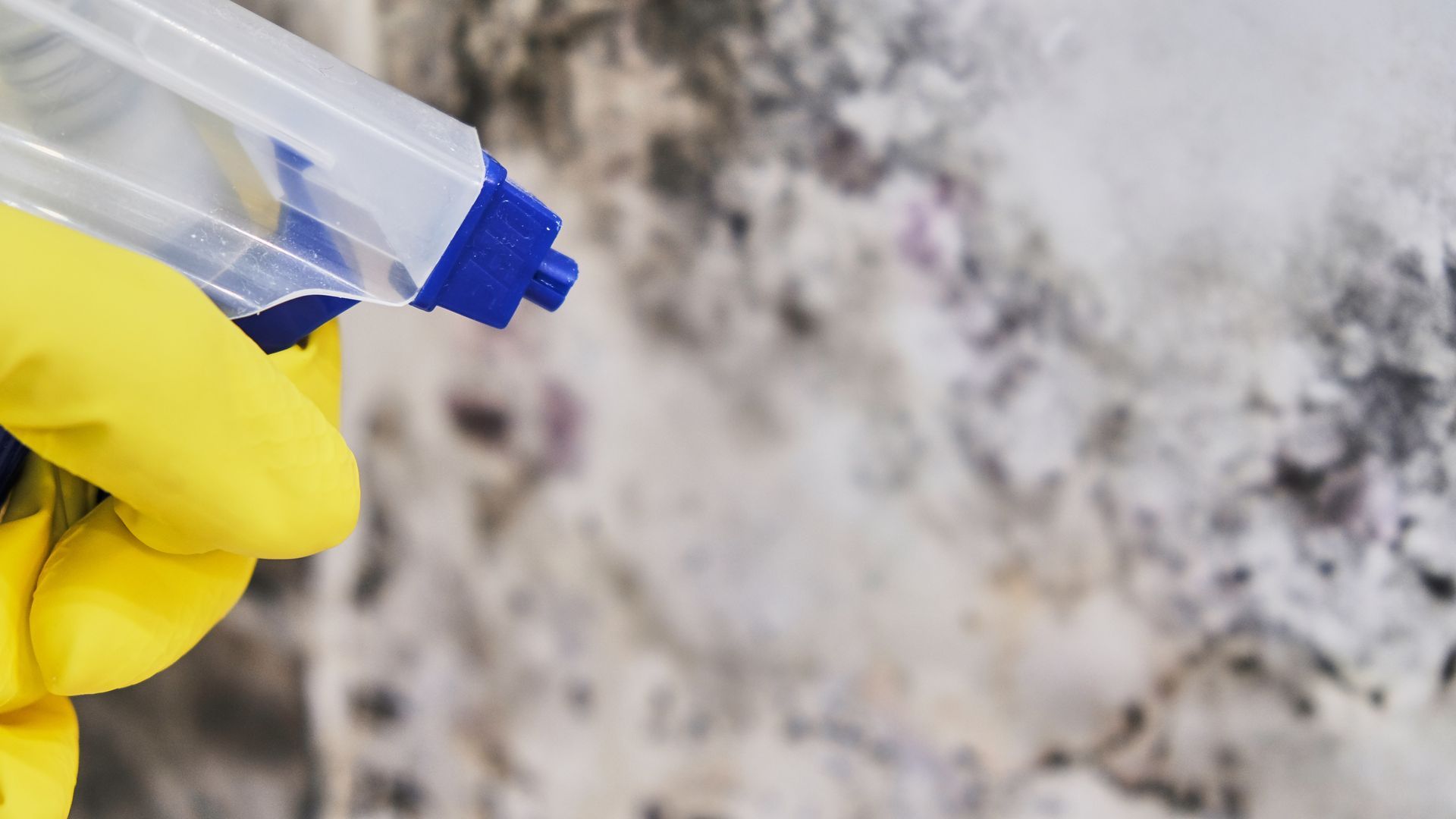
Many homeowners initially try to handle mold with household cleaners or store-bought sprays. While these methods may help with minor surface mildew, they often fail to address deeper contamination. If mold returns shortly after cleaning, spreads to new areas, or remains visible despite repeated efforts, professional mold removals are typically the best solution. Surface treatments alone rarely solve moisture-related mold issues.
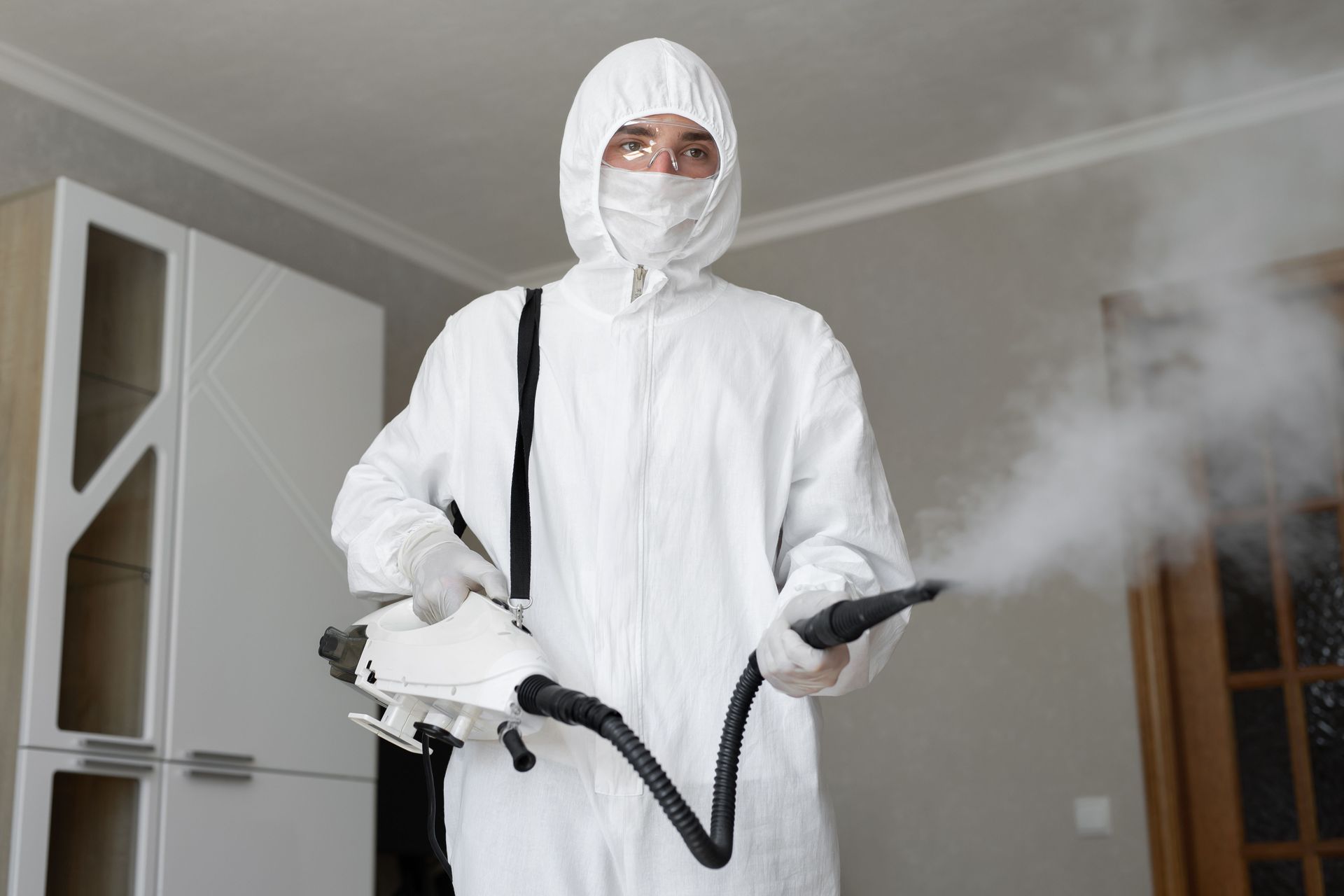
DIY attempts can also disturb mold colonies and release additional spores into the air, increasing the risk of spread throughout the home. Without proper containment and protective equipment, cleaning efforts may unintentionally worsen indoor air quality. Professionals use specialized tools, moisture detection equipment, air filtration systems, and proven remediation methods designed to remove mold safely and thoroughly. Their expertise helps reduce recurrence and restore a healthier living environment.
In addition, many over-the-counter products are only designed to clean surface discoloration rather than fully remove mold embedded in porous materials like drywall, wood, insulation, or carpeting. This means the visible stain may disappear while the root of the problem continues to grow beneath the surface. Professional mold removals teams are trained to assess whether materials can be cleaned or if replacement is the safer long-term solution, helping homeowners avoid repeated outbreaks and costly future repairs. Their experience also allows them to identify hidden moisture sources, improve containment during removal, and help reduce the chances of mold returning after treatment.
Maintaining a safe and healthy home starts with recognizing the signs of mold early. Health symptoms, visible growth, musty odors, water damage history, and repeated failed cleaning attempts all point to the need for expert help. Taking action quickly can help prevent more serious structural issues and protect indoor air quality for everyone in the home. Early professional intervention can also help preserve walls, flooring, and insulation before damage becomes more extensive and expensive to repair. For more information about the services that we offer, reach out to our incredible team at Hera Environmental Laboratories today!