May 26, 2026
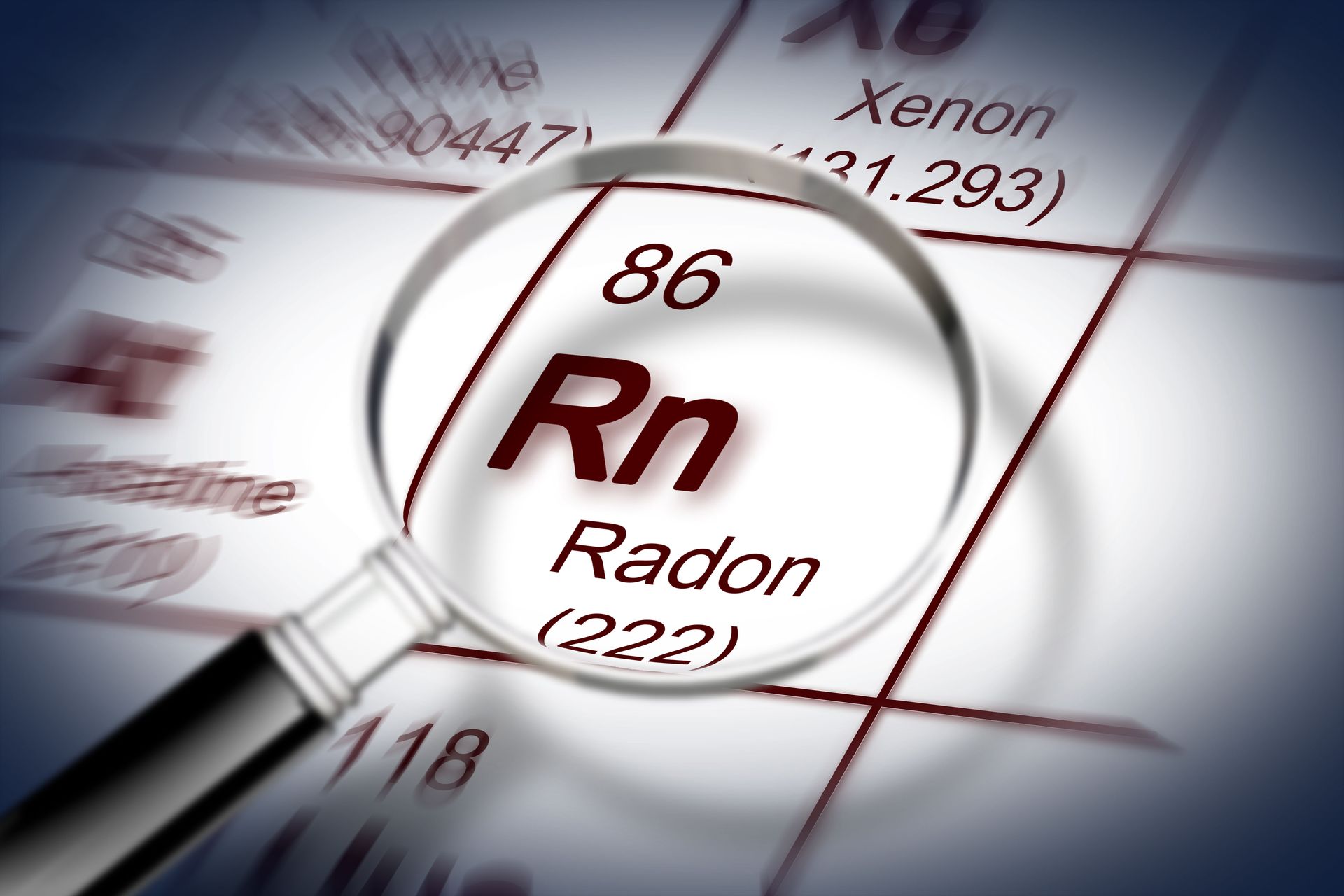
Radon is a naturally occurring, radioactive gas that can be found in different concentrations all over the world. It is crucial to understand that radon exposure has serious health implications, particularly its link to lung cancer. As a property owner, whether it's residential or commercial, ensuring that radon levels are controlled is a fundamental responsibility. Regular radon testing is the only way to accurately measure these levels and determine necessary actions. This article delves into the complexities of radon and underscores the importance of regular testing in maintaining safe environments.
Understanding Radon: The Invisible Threat
What is Radon?
Radon is a colorless, odorless, and tasteless gas that originates from the natural decay of uranium found in soil and rock. It is imperceptible to human senses, making it a silent and potentially harmful presence in properties. Due to its non-reactive nature, radon can easily accumulate indoors, especially in poorly ventilated areas. Understanding its composition and behavior is fundamental to acknowledging its potential dangers. This stealthy character is what makes radon a significant risk in homes and workplaces.
Sources of Radon in Properties
Radon typically enters buildings through cracks and gaps in the foundation. It can also permeate through construction materials, such as concrete and bricks, and even through water supplies. Different geographical areas have varying levels of radon based on the surrounding soil and rock composition. Buildings constructed on soil with high natural uranium content are more susceptible to elevated radon levels. Being aware of these sources is crucial for initiating preventative and corrective measures.
Radon Levels and Health Risks
Studies have shown a direct correlation between radon exposure and lung cancer. Radon is the second leading cause of lung cancer after smoking. The risk escalates with prolonged exposure to high levels of radon, especially for smokers. Children and pets who spend most of their time indoors are particularly at risk. Therefore, understanding radon levels becomes a critical aspect of ensuring health and safety.
The Science Behind Testing
How it Works
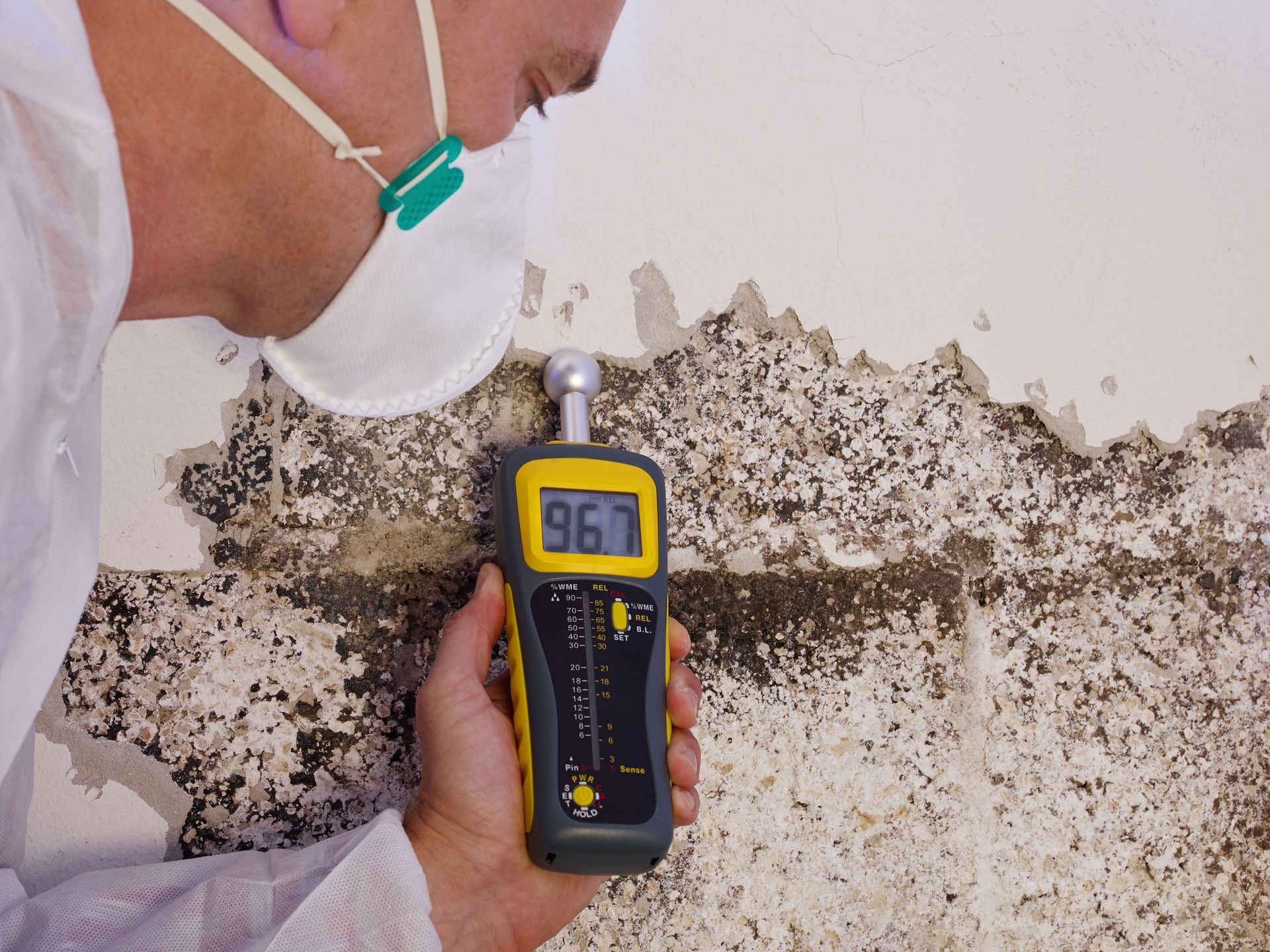
Radon testing involves measuring the concentration of radon in the air over a specific period. Professionals employ various methods, such as passive devices, including charcoal canisters and alpha track detectors, and active devices that require electrical power. Passive tests are often used for initial screening, while active tests, which provide continuous monitoring, offer more comprehensive data. Each method has its own advantages, with professional testing deemed necessary for accuracy. According to the American Lung Association, professional testing is the only definitive method for identifying radon levels due to the gas's invisible and odorless properties.
Types of Radon Test Kits
There are several types of radon test kits available, each suited for different scenarios. Short-term kits are useful for initial checks, providing results in a matter of days to weeks. Long-term kits are more accurate as they account for fluctuations over a period of months, capturing seasonal variations. Continuous monitoring devices are the most reliable, offering real-time updates on radon levels. Choosing the right test kit depends on your specific needs and the urgency of the situation.
Interpreting Test Results
Understanding radon test results is pivotal for making informed decisions regarding property safety. Radon levels are measured in picocuries per liter (pCi/L), with 4.0 pCi/L being the action level at which mitigation is recommended. Results above this threshold indicate a potential health risk that necessitates immediate attention. Proper interpretation means comparing results against this benchmark and planning necessary mitigation actions. It's also paramount to regularly test, as radon levels can fluctuate over time.
The Legal and Regulatory Landscape
Federal Guidelines and Recommendations
The United States Environmental Protection Agency (EPA) plays a key role in establishing radon safety guidelines. The EPA recommends testing all homes below the third floor and offers guidelines for radon testing and mitigation procedures. Though not legally binding, these recommendations serve as national standards for safety practices. Awareness of these federal guidelines is vital for aligning local measures with national expectations. Uniform adoption of such guidelines aids in the reduction of radon-related health risks.
State and Local Regulations
State and local radon regulations vary greatly, reflecting regional differences in radon risks and government approaches. Some states have mandatory testing and mitigation requirements, while others rely on awareness and voluntary compliance. This variability necessitates that property owners understand specific legal obligations in their locality. State and local health departments often provide resources and support for testing and mitigation. Property owners need to stay informed about these regulations to ensure compliance and safety.
Legal Responsibilities of Property Owners
Property owners have both ethical and legal responsibilities when it comes to managing radon levels. Ethically, there is an obligation to provide a safe environment for inhabitants, aligning with broader public health goals. Legally, failure to address high radon levels can result in liability, especially if noncompliance with regulations leads to health issues. Owners should keep records of radon tests and mitigation efforts to prove due diligence. Regular testing supports compliance and reduces potential legal ramifications.
Financial Implications of Radon Testing and Mitigation
Financial Aid and Incentives
Several financial aid programs and incentives are available to encourage radon testing and mitigation. Some states offer tax credits or rebates to offset the costs of mitigation systems. Nonprofit organizations and governmental agencies may also provide subsidies, particularly for low-income households. Access to these resources can ease the financial burden and promote broader compliance with testing recommendations. Engaging with these incentives is crucial for cost-effective radon management in properties.
The Economic Impact of Ignoring Radon
Neglecting radon concerns can have significant financial repercussions. Exposure to high radon levels may lead to health issues requiring extensive medical treatment, which could be costly. Additionally, properties with unaddressed radon problems may suffer depreciation in market value, affecting potential sale outcomes. The economic impact extends beyond individual properties, influencing public health and associated healthcare costs on a larger scale. Addressing radon proactively is both a health and economic imperative.
Steps to Take After Radon Detection
Immediate Actions if High Levels Are Detected
Upon detection of high radon levels, immediate actions are necessary to mitigate health risks. Ventilating affected areas can help reduce radon concentrations temporarily, while sealing entry points can prevent further ingress. Engaging a certified radon professional to assess and confirm results is crucial for planning further steps. This ensures that proper mitigation strategies can be implemented swiftly and effectively. Prompt action following detection is vital to protect occupant health without delay.
Choosing a Mitigation Method
Various strategies exist for effectively reducing indoor radon levels. Active soil depressurization, which involves ventilating the foundation area, is a common and effective method. Sealing foundation cracks and installing sub-slab ventilation systems can also help manage radon intrusion. The choice of mitigation method depends on the building's design, radon levels, and professional recommendations. Selecting the right approach is key to achieving significant and lasting reductions in radon levels.
Working with Mitigation Professionals
Selecting qualified radon mitigation professionals ensures that appropriate techniques are applied to reduce radon levels effectively. Professionals possess the expertise and necessary credentials to implement and monitor mitigation systems. Collaborating with certified experts ensures compliance with regulatory standards and optimizes the success of mitigation efforts. Establishing a productive relationship with these professionals fosters trust and clarity in addressing radon issues. Expert guidance provides reassurance and effective outcomes in the mitigation process.
Regular radon testing is an indispensable aspect of property management, offering protection against potential health risks associated with this silent but significant threat. Understanding the complexities of radon, from its sources and health implications to testing methods and legal considerations, empowers property owners to take proactive measures. Through consistent testing, professional guidance, and the adoption of technological innovations, maintaining safe radon levels is achievable, safeguarding occupants and enhancing property value. The commitment to regular radon surveillance and mitigation is a crucial investment in public health and long-term wellness. Protect your property and your health by scheduling a professional radon test with Hera Environmental Laboratories today.