June 12, 2026
Mold growth in homes presents significant health risks and can compromise the structural integrity of residential spaces. Exposure to mold is associated with a variety of adverse health effects, including respiratory issues, skin irritation, and allergic reactions. Maintaining a clean and mold-free living environment is crucial not only for health but also for preserving the home’s value. This article aims to provide comprehensive guidelines for safe and effective mold removal supported by preventive strategies. Understanding the full scope of mold’s impact, detection, removal, and prevention is key to ensuring a healthier living space for you and your family.
Understanding Mold and Its Impact
What is Mold?
Mold is a type of fungus that thrives in moist environments and can be found both indoors and outdoors. Common types of mold found in homes include Cladosporium, Penicillium, Alternaria, and Stachybotrys chartarum, also known as black mold. Each type of mold has unique characteristics but shares common growth requirements, such as dampness and organic material to feed on. Mold spores are ever-present in the air and can settle and proliferate in suitable conditions. These spores are tiny and often invisible to the naked eye, highlighting the importance of vigilance in identifying and addressing potential mold issues in the home.
How Mold Grows
Mold growth is typically fueled by the presence of moisture, organic material, and warm temperatures. Leaking pipes, roof leaks, or heightened humidity levels create ideal environments for mold to flourish. Even minor water damage, like that from a flooded basement, can trigger mold growth within 24 to 48 hours, according to This Old House. Mold colonies can quickly expand, penetrating surfaces such as drywall, fabrics, and wood, often leading to costly repairs. Understanding the conditions that promote mold growth is integral to creating environments that deter their development.
Health Risks of Mold Exposure
Exposure to mold can lead to a myriad of health problems ranging from minor allergic reactions to more severe respiratory conditions. Inhalation of mold spores can exacerbate asthma and cause symptoms such as wheezing, coughing, and nasal congestion. Chronic exposure to mold has been linked to respiratory illnesses and weakened immune system responses. Vulnerable populations, including infants, the elderly, and those with compromised immune systems, are particularly at risk. Recognizing the health risks associated with mold is the first step toward advocating for a safer living environment.
Signs of Mold Infestation
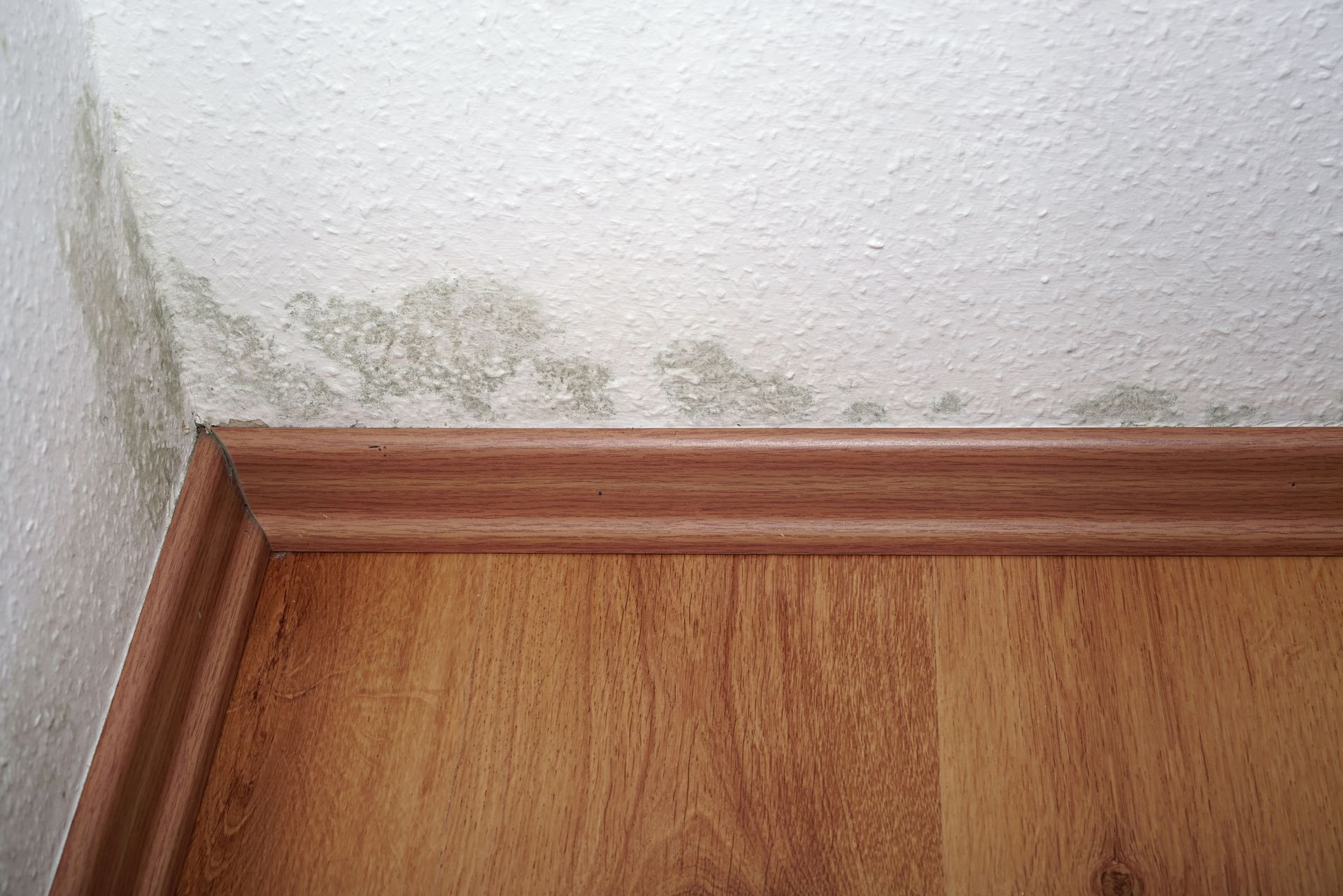
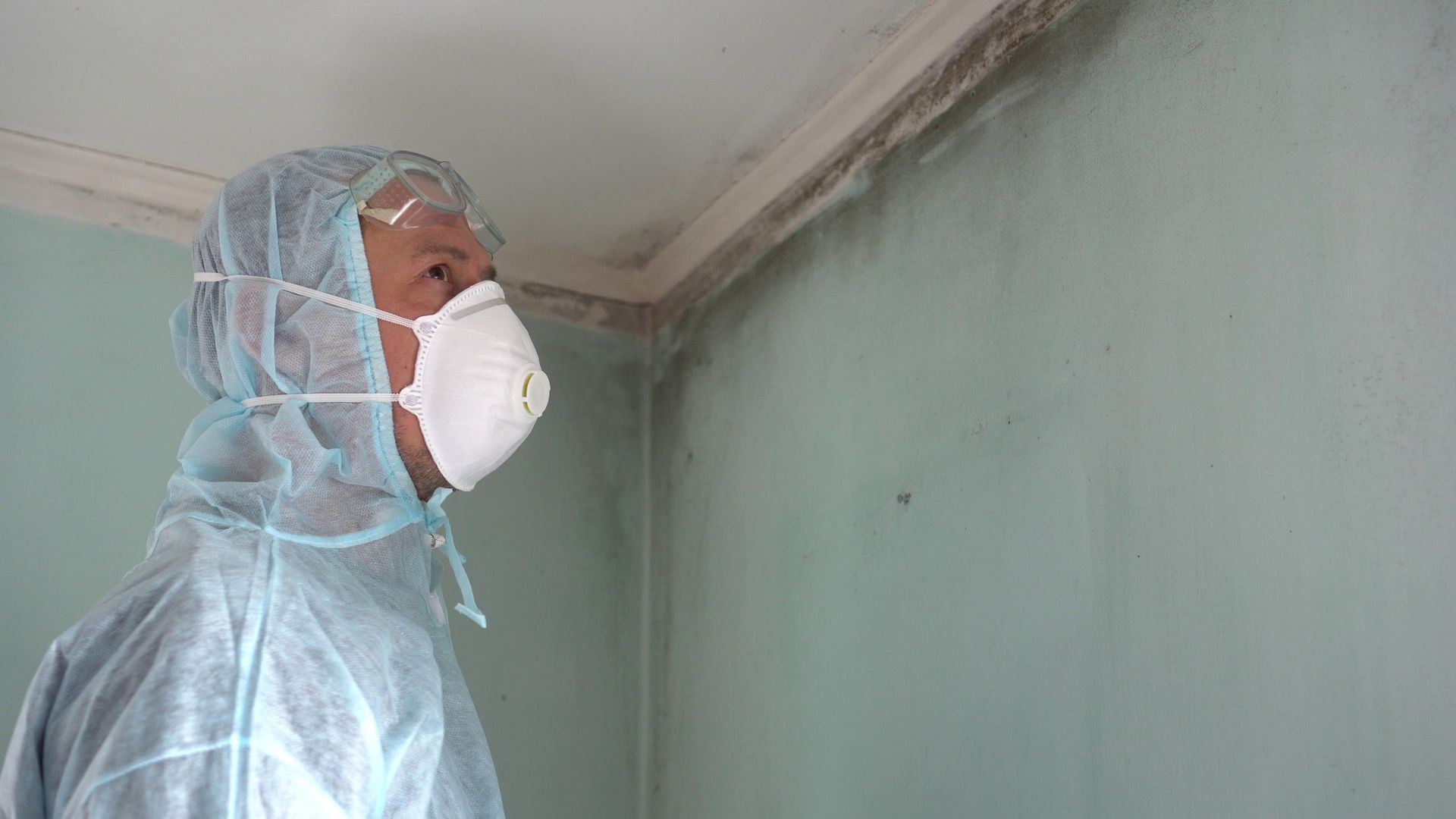
Detecting mold infestation involves both visible and odor indicators. Common signs include discolored patches on walls, ceilings, or floors and a persistent musty odor. It is important to note that mold can grow in hidden areas such as beneath carpeting, inside walls, or in ductwork. Regular inspections are essential for identifying these concealed infestations early. Early detection can significantly limit the severity of the problem and the cost of remediation efforts.
Environmental Impact of Mold
Beyond health concerns, mold can significantly impact the integrity and appeal of your home environment. Mold growth can cause unsightly stains, damage building materials, and lead to expensive structural repairs. A mold-infested environment can also reduce air quality, affecting not only health but also comfort and well-being. Moreover, the presence of mold can impact property values and complicate real estate transactions. Taking preemptive measures to control mold not only creates a healthier indoor environment but also safeguards home investments.
Preventative Measures for Mold Growth
Controlling Humidity Levels
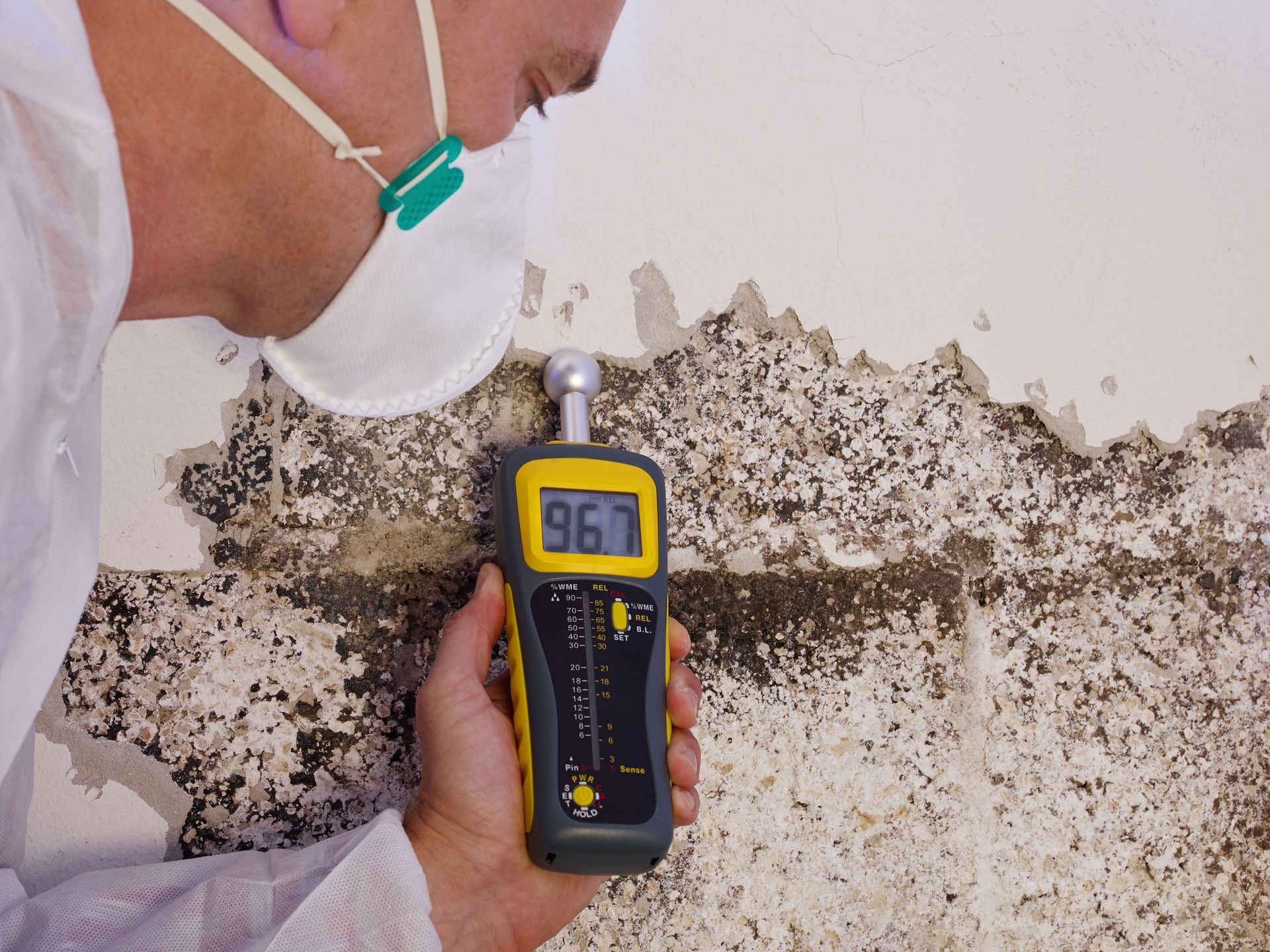
Maintaining indoor humidity levels below 60% is crucial in preventing mold growth. Use dehumidifiers and air conditioning to effectively reduce humidity, especially in basements and bathrooms. Regularly monitor indoor humidity using a hygrometer to ensure conditions do not favor mold proliferation. Consider insulating cold surfaces such as pipes and windows to prevent condensation and moisture buildup. Effective humidity control is a crucial step in long-term mold prevention and home maintenance.
Proper Ventilation Techniques
Ventilation is a key strategy in reducing moisture levels in areas prone to dampness like kitchens and bathrooms. Installing exhaust fans and ensuring they are in good working order aids in minimizing moisture accumulation. Opening windows regularly can help improve airflow and reduce humidity levels. Properly ventilated spaces discourage mold spore settlement and growth. Implementing adequate ventilation techniques can significantly contribute to mold prevention and a healthier indoor climate.
Routine Inspection and Maintenance
Routine home inspections are vital in identifying potential mold hazards early. Regularly check for leaks in roofs, pipes, and gutters, as water intrusion is a primary catalyst for mold growth. Ensure that HVAC systems are cleaned and maintained to prevent spreading mold spores through ductwork. Be vigilant in observing any changes in your home’s surfaces, such as paint bubbling or wall discoloration. Proactive maintenance and routine inspections mitigate mold risk and ultimately protect home investments.
Effective Water Management
Proper water management is essential in preventing mold by eliminating one of its key requirements—moisture. Repair leaks promptly and ensure that water drainage systems are functioning properly. Ensure external water does not accumulate near the home’s foundation by grading the landscape away from the building. Consider installing sump pumps in basements to handle excess water during heavy rains. Managing water effectively reduces the likelihood of mold-creating conditions and keeps homes dry and secure.
Use of Mold-Resistant Products
Incorporating mold-resistant products and materials in home construction and maintenance can proactively prevent mold growth. Use mold-resistant drywall, especially in moisture-prone areas, to deter mold colonization on wall surfaces. Mold-resistant paints contain antimicrobial components that help prevent surface mold and mildew. For flooring, materials such as vinyl and tile are preferable over carpet in basements or bathrooms. Utilizing these specialized materials contributes to a mold-resistant home, reducing the risk of infestation and damage.
DIY Mold Detection and Removal Methods
Simple Test Kits for Mold Detection
Home mold test kits offer a convenient way to determine the presence of mold spores in your environment. These kits generally involve collecting samples and sending them to a lab for analysis to identify specific mold types. Users can follow simple instructions to take samples from questionable areas, such as air vents or visible mold spots. While these kits can be helpful, they should not replace professional assessments for extensive mold problems. Used effectively, they serve as an initial step in identifying potential mold issues.
Natural Cleaning Solutions
For minor mold occurrences, natural cleaning solutions provide an eco-friendly alternative to harsh chemicals for removal. Vinegar is a powerful mold-killing agent and can be used directly on surfaces to eliminate light mold growth. Baking soda mixed with water can be an effective cleaning paste for scrubbing mold off hard surfaces. Essential oils like tea tree oil or grapefruit seed extract can be added to cleaning solutions for additional mold-preventive properties. Regular cleaning with these solutions can help maintain a mold-free environment in the home.
Homemade Mold Removal Techniques
DIY mold removal techniques should be reserved for small, manageable mold patches, using common household items. A simple bleach solution—a cup of bleach per gallon of water—can be used on hard, nonporous surfaces where discoloration occurs. Using a scrub brush, apply the solution and rinse thoroughly to prevent regrowth. It's crucial to wear protective gloves, goggles, and masks during the process to prevent exposure to spores. DIY methods are cost-effective for minor mold issues, but more extensive infestations require professional intervention.
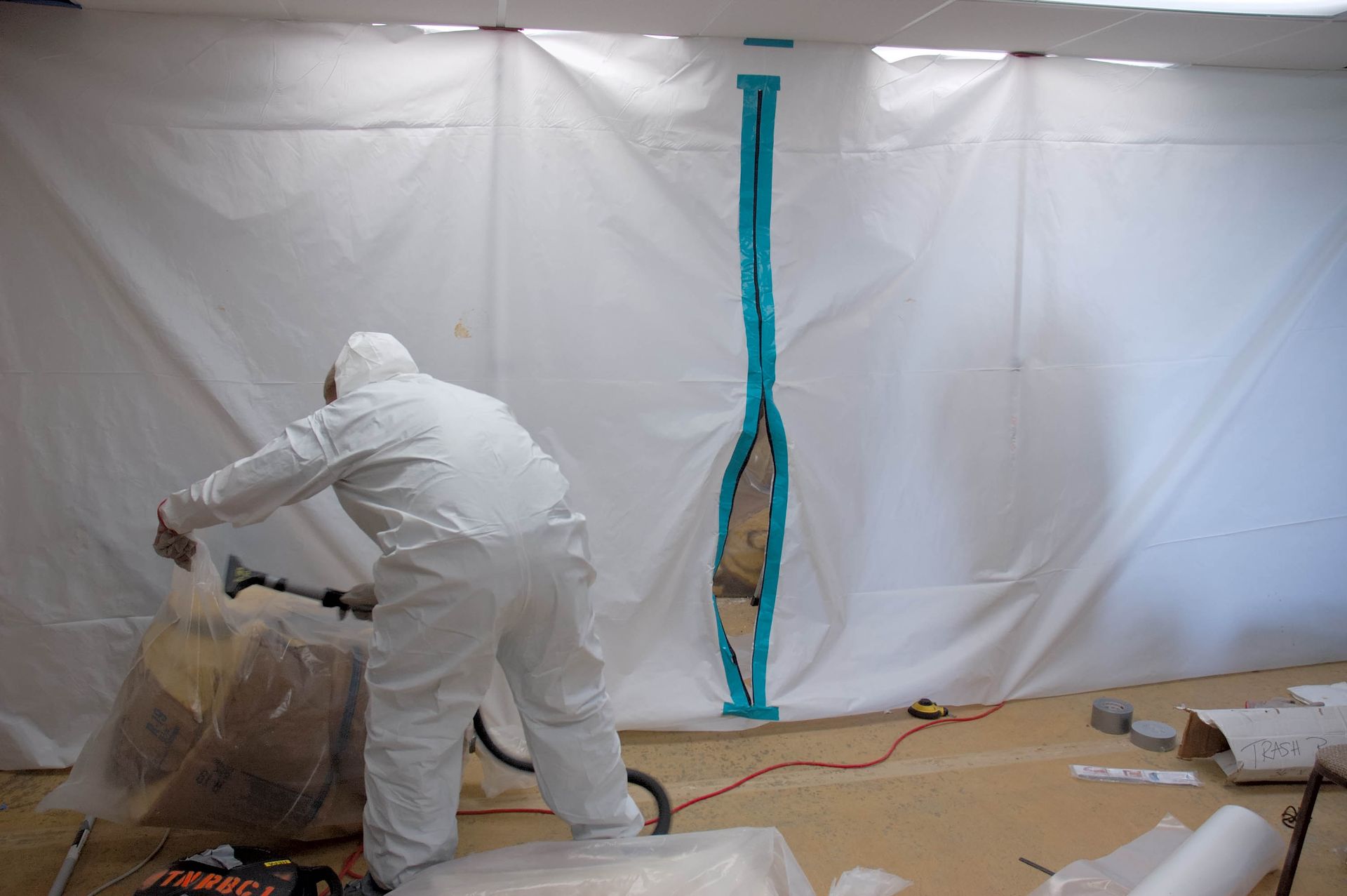
In conclusion, understanding and addressing the myriad factors contributing to mold growth is vital for maintaining a clean, safe, and healthy living environment. Through a combination of proactive preventative measures, informed DIY practices, and professional remediation when necessary, the risks and impacts of mold can be effectively managed. The benefits of maintaining a mold-free environment extend beyond health by enhancing property value and quality of life. Education and awareness play pivotal roles in preventing mold and promoting a collective commitment to health and safety. By implementing the guidelines outlined in this article, homeowners can confidently foster mold-resistant homes and communities. Be sure to reach out to Hera Environmental Laboratories today to learn more about our professional mold removal!