July 24, 2026
Mold can develop quietly in homes and commercial properties, often spreading before anyone realizes there is a serious problem. It commonly grows in damp, humid, or poorly ventilated areas, including bathrooms, basements, attics, kitchens, crawl spaces, and rooms affected by leaks or flooding. While a small surface spot may appear manageable, hidden growth can extend behind walls, beneath flooring, inside insulation, or around plumbing systems. When mold continues to spread, it can damage building materials, create unpleasant odors, and make indoor spaces less comfortable.
Knowing when to call a mold removal contractor can help property owners respond before contamination becomes more difficult and expensive to address. Professional assistance may be necessary when mold covers a large area, returns after cleaning, follows water damage, or appears in places that are difficult to reach. Paying attention to warning signs can help you protect your property, identify moisture problems, and choose the right next step.
1. Noticing Persistent Musty Odors
A musty or earthy odor is often one of the earliest signs of hidden mold growth. The smell may be strongest in basements, closets, bathrooms, utility rooms, or areas near plumbing fixtures. In some cases, the odor remains even when no visible mold is present. This can mean growth is occurring behind walls, beneath flooring, above ceiling tiles, or inside cabinets where moisture has collected.
Air fresheners, candles, and cleaning products may temporarily cover the smell, but they do not correct the source. If an odor continues after routine cleaning and ventilation, the area should be inspected more closely. A professional can evaluate nearby surfaces, check moisture levels, and identify conditions that support mold growth. Finding the source is important because mold usually returns when the underlying moisture problem remains unresolved.
2. Finding Visible Mold Growth
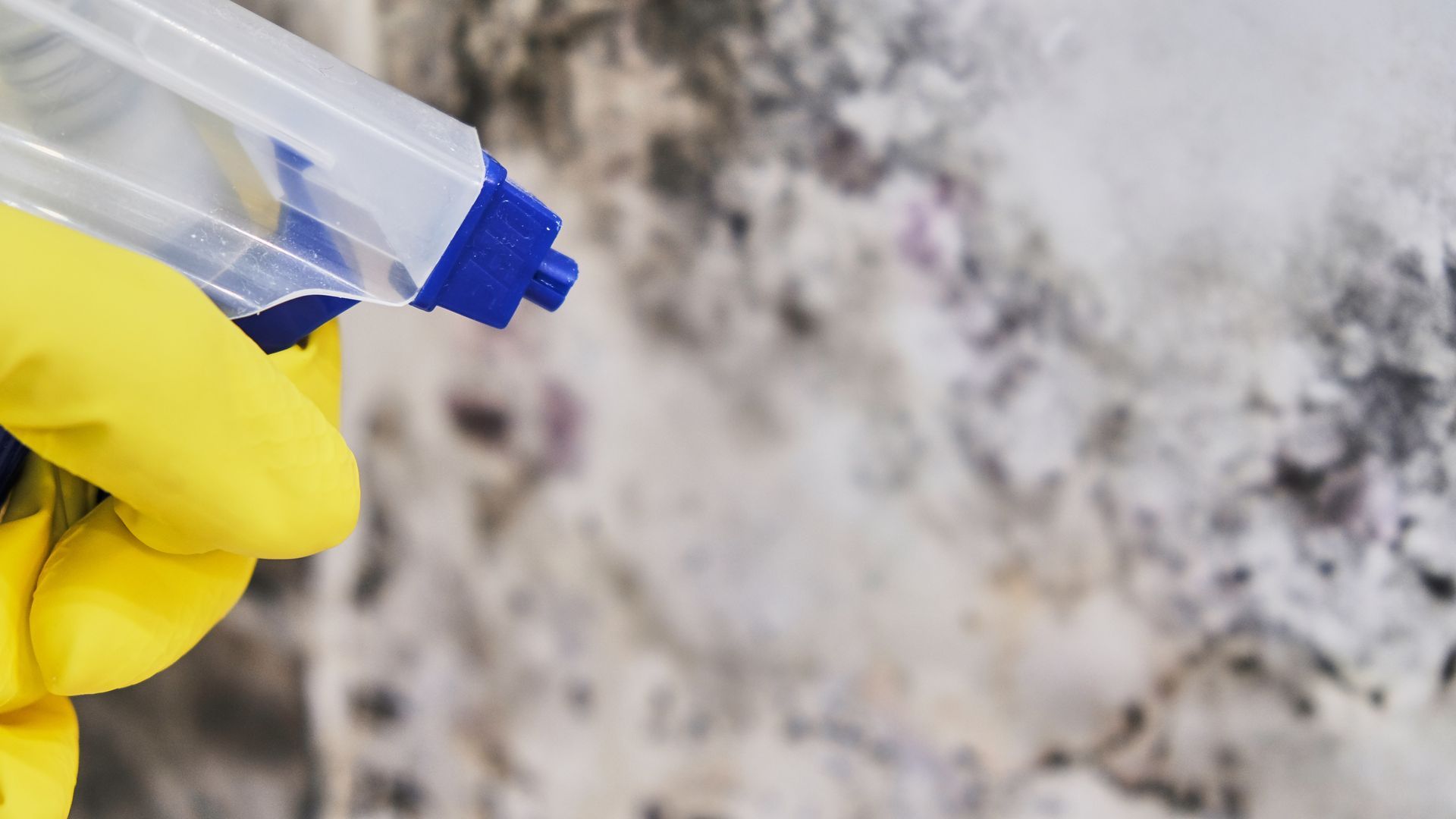
Visible mold may appear as black, green, white, gray, or brown spots on walls, ceilings, tile, wood, fabric, or other materials. It may look powdery, fuzzy, slimy, or stained, depending on the surface and environmental conditions. Small spots around a shower or window may seem harmless, but continued growth can indicate excessive humidity, poor ventilation, condensation, or an active leak.
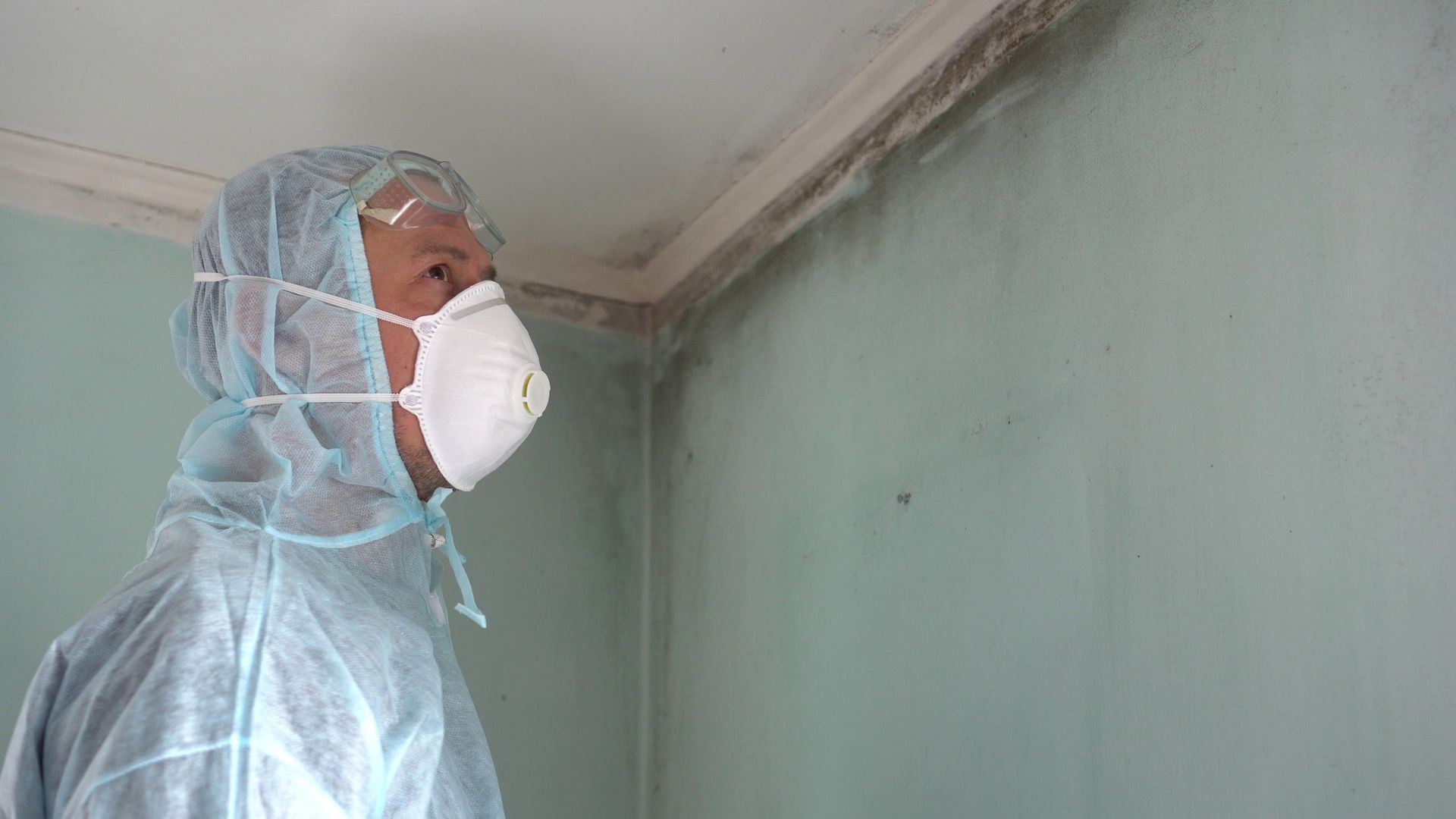
A mold removal contractor may be needed when visible growth covers a large area, affects porous materials, or appears in several rooms. Simply wiping the surface may not remove contamination that has entered drywall, insulation, carpet padding, or wood. Professional remediation can include containment, removal of affected materials, cleaning, drying, and recommendations for correcting the moisture source. This approach helps limit the chance of mold spreading during cleanup.
3. Discovering Recurring Mold After Cleaning
Mold that returns soon after cleaning is a strong sign that the underlying cause has not been corrected. Homeowners may scrub tile, repaint a wall, or use household cleaners only to see discoloration reappear within days or weeks. Recurring growth often points to continuing moisture from condensation, plumbing leaks, roof problems, poor drainage, or insufficient ventilation.
Repeatedly cleaning the same area may improve its appearance temporarily, but it can allow hidden damage to continue. A professional inspection can help determine whether moisture is entering from another part of the building or whether contaminated materials need to be removed. Once the source has been identified, repairs and drying measures can be completed before remediation begins, creating a better chance of preventing another outbreak.
4. Responding to Recent Water Damage
Flooding, roof leaks, burst pipes, appliance failures, and overflowing fixtures can create ideal conditions for mold. Water may soak into drywall, flooring, insulation, cabinets, and framing within a short period. Even when visible water has been removed, dampness can remain trapped inside building materials. Mold may begin developing before surfaces feel completely dry.
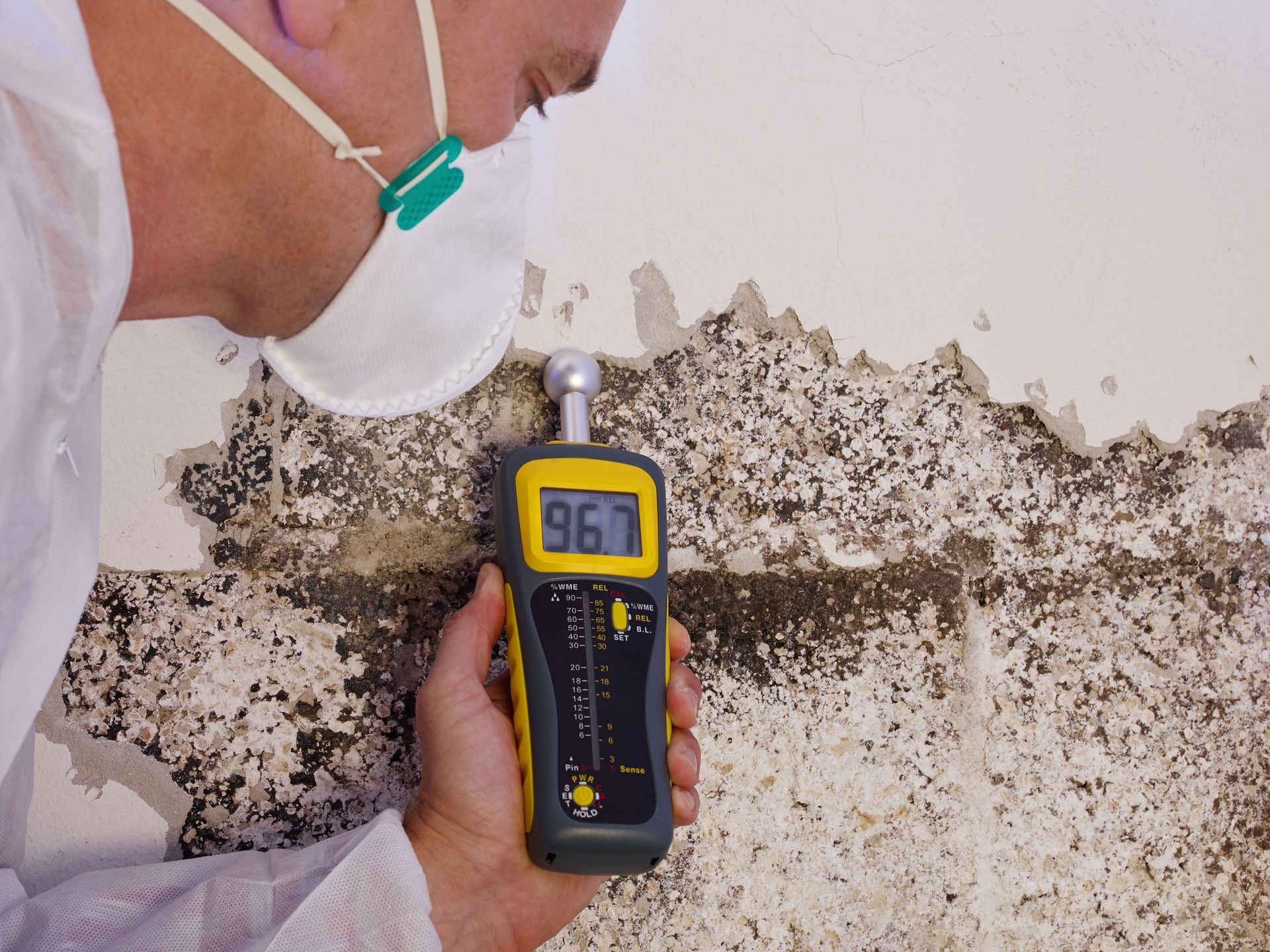
Calling a mold removal contractor after significant water damage can help determine whether affected areas require professional drying, inspection, or remediation. Quick action is especially important when water has remained for an extended period or reached hidden spaces. Moisture meters and thermal imaging may help locate damp materials that are not obvious from the surface. Removing damaged materials and improving airflow can reduce the risk of continued growth.
5. Observing Stains and Surface Damage
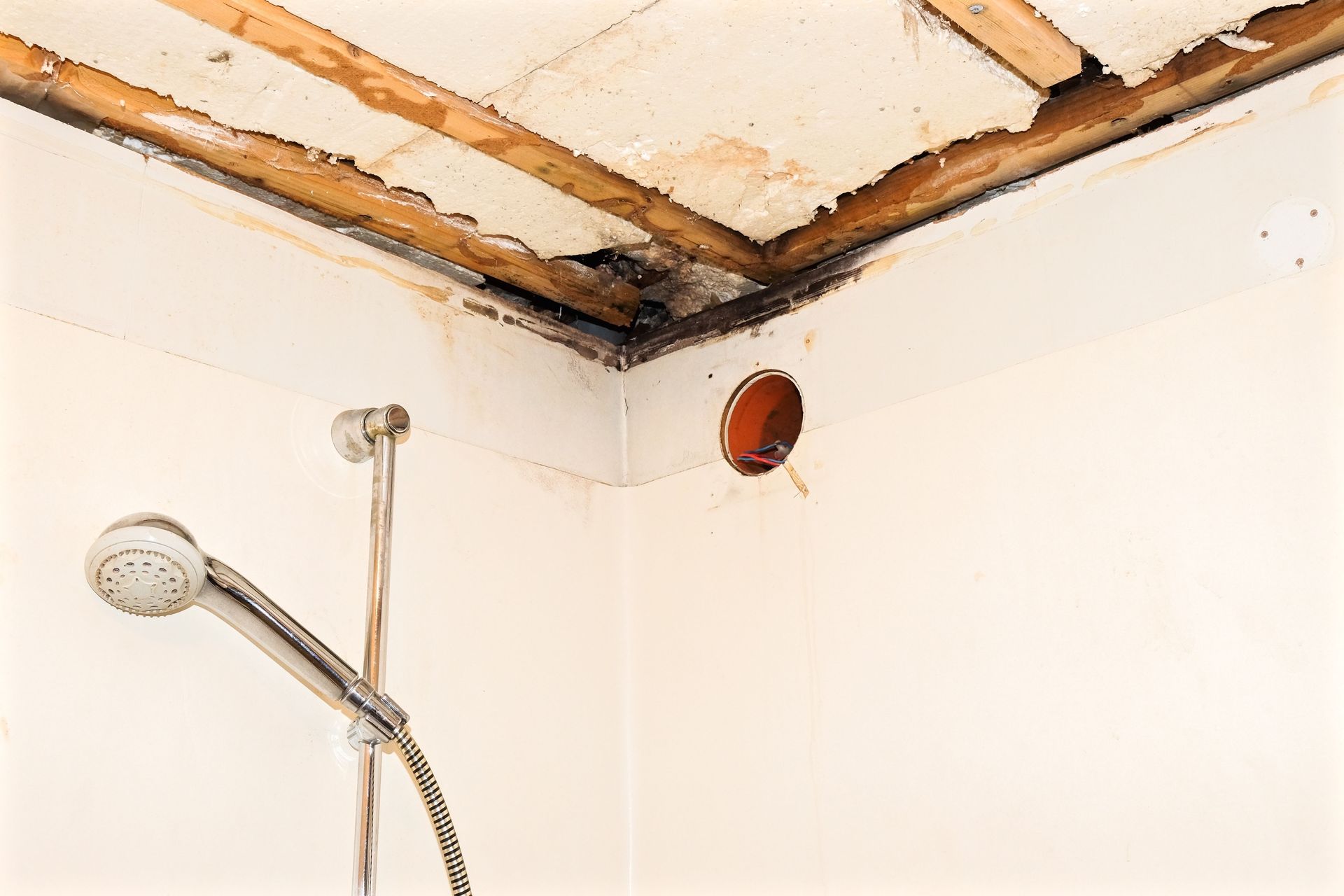
Water stains, bubbling paint, peeling wallpaper, warped baseboards, soft drywall, and discolored ceilings can signal moisture problems that may support mold. These changes often develop around windows, roofs, plumbing lines, bathrooms, and exterior walls. A stain may appear dry even though moisture continues to enter behind the surface. A mold removal contractor can help determine whether these warning signs indicate hidden mold growth. Ignoring these issues can allow both structural damage and microbial growth to spread.
Property owners should not assume that painting over a stain will solve the problem. Damaged finishes should be evaluated to determine whether water is still present and whether mold has developed underneath. A professional may recommend opening a small section of a wall or ceiling to inspect concealed materials. According to HomeGuide, a mold inspection generally requires two to five hours, with additional time needed if walls or ceilings must be opened to inspect affected areas.
6. Detecting Mold in Multiple Areas
Mold found in several rooms may indicate a larger moisture or ventilation issue. For example, growth around multiple windows may point to condensation, while mold in bathrooms and closets may suggest high indoor humidity. When spots appear in unrelated parts of a building, the source may involve roofing, plumbing, HVAC performance, drainage, or airflow rather than one isolated spill.
A mold removal contractor can evaluate the full property instead of treating each area separately. This broader approach may reveal patterns that are easy to miss during basic cleaning. Professionals can identify affected materials, recommend containment methods, and help determine whether humidity control or repairs are needed. Addressing the building-wide cause can be more effective than cleaning individual spots as they appear.
7. Locating Mold in Hard-to-Reach Spaces
Attics, crawl spaces, wall cavities, ductwork, and areas beneath flooring can be difficult and unsafe to inspect without proper equipment. These spaces may contain exposed wiring, unstable surfaces, insulation, pests, sharp materials, or limited ventilation. Mold can spread widely in these areas because leaks and humidity may continue unnoticed for months.
Professional remediation is often the safer choice when contamination is located in a confined or inaccessible space. Trained technicians can use protective equipment, containment barriers, air filtration, and specialized cleaning methods to reduce exposure and prevent spores from spreading into occupied rooms. They can also document damaged materials and recommend repairs that improve ventilation, drainage, or moisture control in the affected area.
8. Recognizing Extensive Material Damage
Mold can weaken or permanently stain porous materials when it remains untreated. Drywall may become soft, wood may deteriorate, insulation may lose effectiveness, and carpet may develop odors that cannot be removed through surface cleaning. Cabinets, ceiling tiles, and upholstered materials may also require replacement when contamination extends deeply into the material.
When several materials are affected, a mold removal contractor can help determine what can be cleaned and what should be removed. Professional containment is important during demolition because disturbing contaminated materials can release particles into the air. A planned removal process protects nearby rooms, supports thorough drying, and allows repairs to begin on a cleaner and more stable surface.
Persistent odors, visible growth, recurring mold, water damage, stains, contamination in multiple areas, hard-to-reach growth, and damaged building materials can all signal the need for professional help. Responding early can limit property damage, reveal hidden moisture sources, and make cleanup more manageable. A qualified mold removal contractor can inspect the affected space, recommend an appropriate remediation plan, and help property owners understand how to prevent future growth. For dependable assistance with mold inspection and removal, contact Hera Environmental Laboratories.