October 3, 2026
Moisture can create conditions inside a home that allow mold to grow and spread across building materials. While visible discoloration may be the first sign homeowners notice, mold-related concerns can extend beyond what is immediately apparent. Growth may develop around areas affected by leaks, condensation, elevated humidity, or previous water damage, making professional evaluation and remediation important parts of protecting the indoor environment.
Qualified mold removal contractors address these concerns with methods designed to identify affected areas, limit contamination, and support proper remediation. Their work goes beyond improving the appearance of a surface. Professional services focus on controlling mold at its source while considering moisture conditions, affected materials, and the possibility of contamination spreading into surrounding spaces.
Identifying Mold-Related Conditions
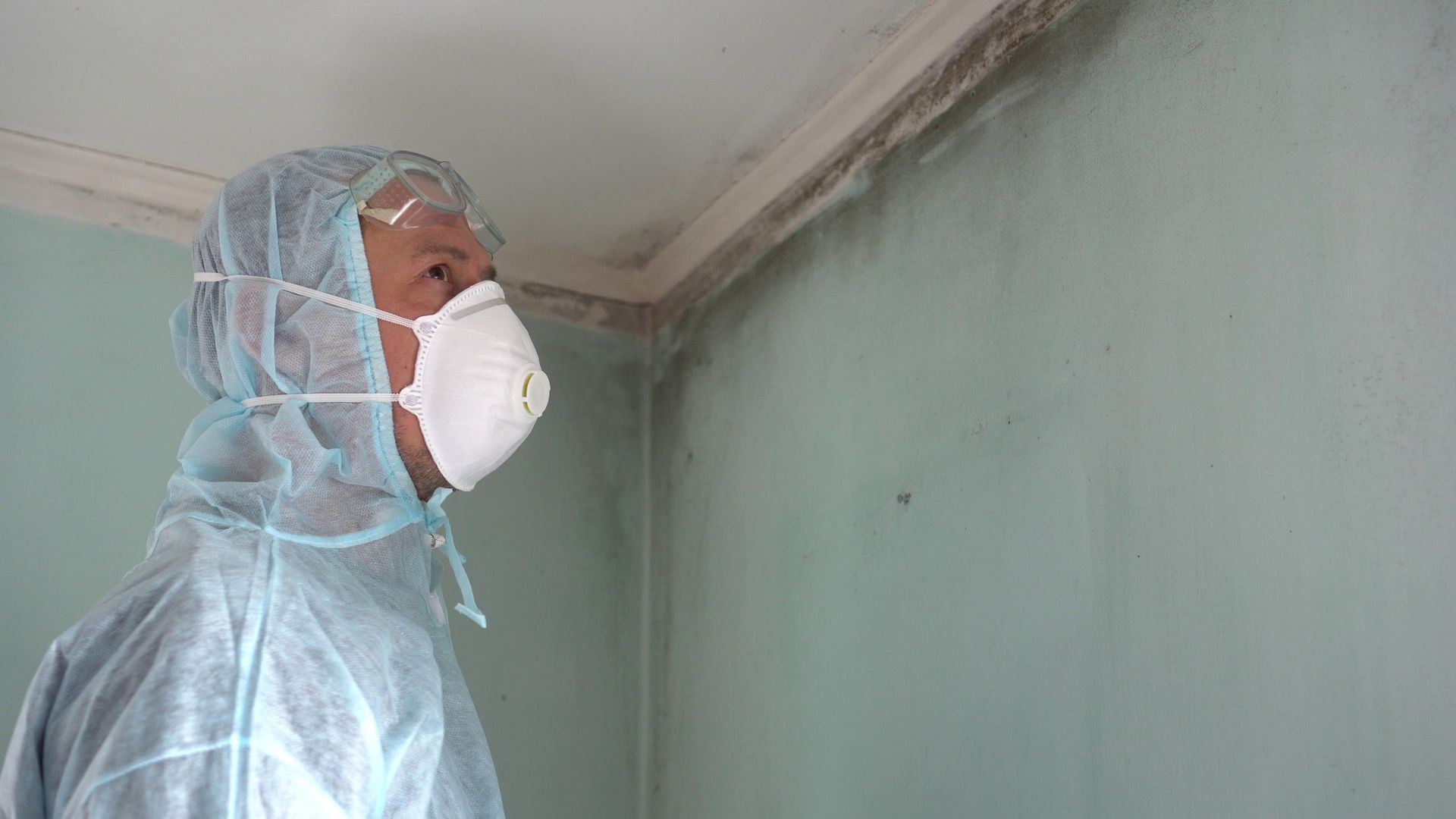
Mold requires moisture to grow, which means its presence often points to an underlying environmental condition within the property. Plumbing leaks, roof damage, condensation, inadequate ventilation, and previous flooding can all contribute to damp areas where mold may develop. In some situations, the original moisture event may have occurred long before visible growth becomes noticeable.
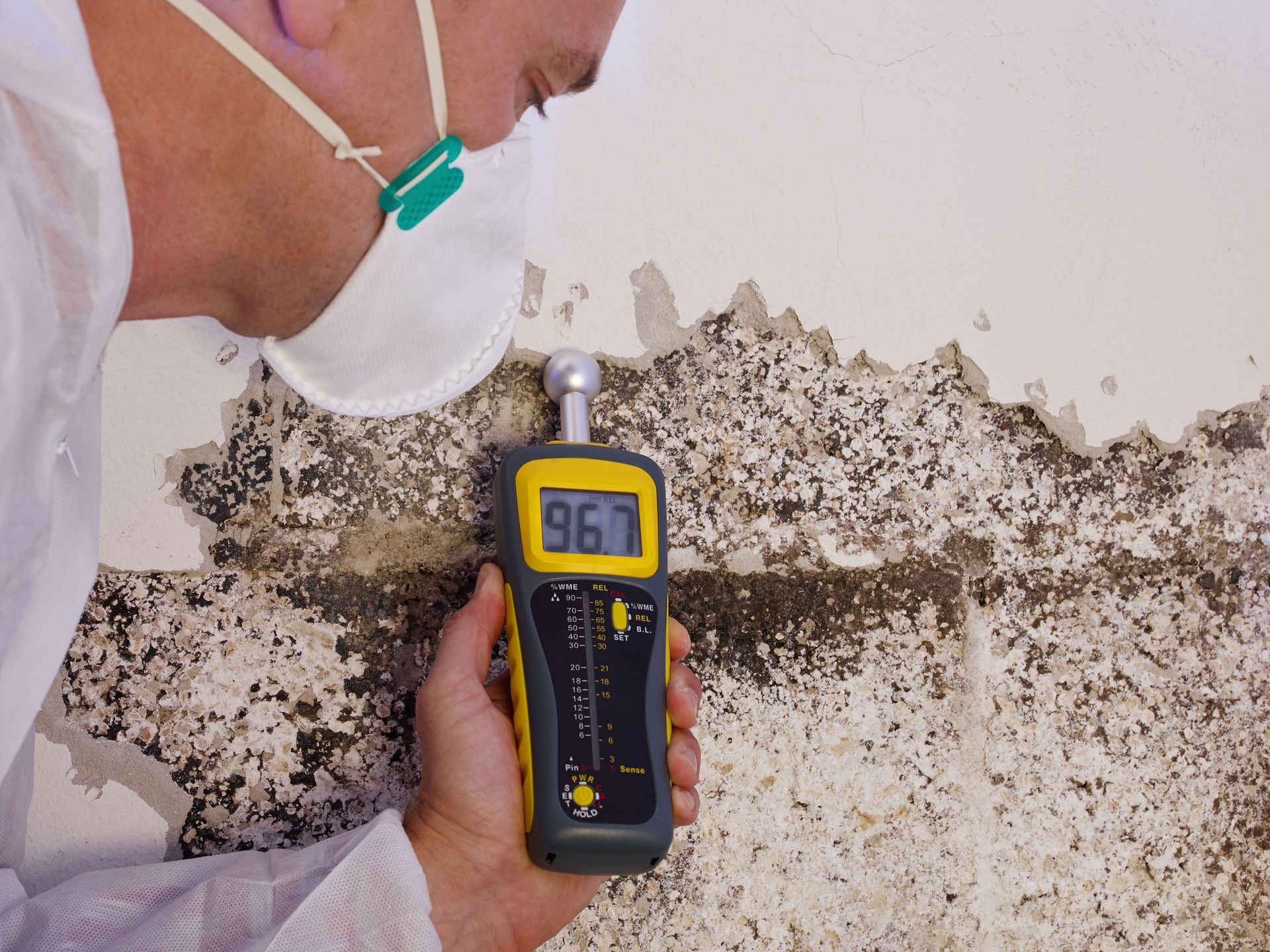
Experienced mold removal contractors evaluate more than obvious surface discoloration. They consider where moisture may be entering or accumulating and how affected areas relate to the rest of the building. Mold can sometimes develop behind walls, beneath flooring, around insulation, or in other spaces that are difficult to observe during an ordinary visual inspection.
Understanding Mold-Related Health Concerns
Indoor mold can be especially concerning because exposure may affect people differently. Individual sensitivity, the extent of contamination, environmental conditions, and the duration of exposure can all influence how occupants respond. Some people may experience irritation or respiratory symptoms, while others may notice few or no immediate effects.
The connection between damp indoor environments and respiratory concerns has received significant attention. According to Ruby Home, 21% of asthma cases in the U.S. are linked to dampness and mold exposure. This relationship reinforces the importance of taking persistent moisture and suspected mold seriously, particularly when conditions continue over time.
Evaluating Mold-Affected Areas
A careful evaluation helps establish the scope of a mold problem before remediation begins. Visible growth may represent only part of the affected area, particularly when water has traveled through porous materials or entered enclosed building cavities. Understanding the extent of contamination allows remediation work to be planned around actual property conditions.
Mold removal contractors can then use those findings to establish an appropriate remediation strategy. Because every property is different, the scope of professional work can vary depending on the materials involved, accessibility, moisture conditions, and extent of contamination. A targeted assessment helps avoid treating every mold concern as though it were identical.
Containing Mold-Affected Spaces
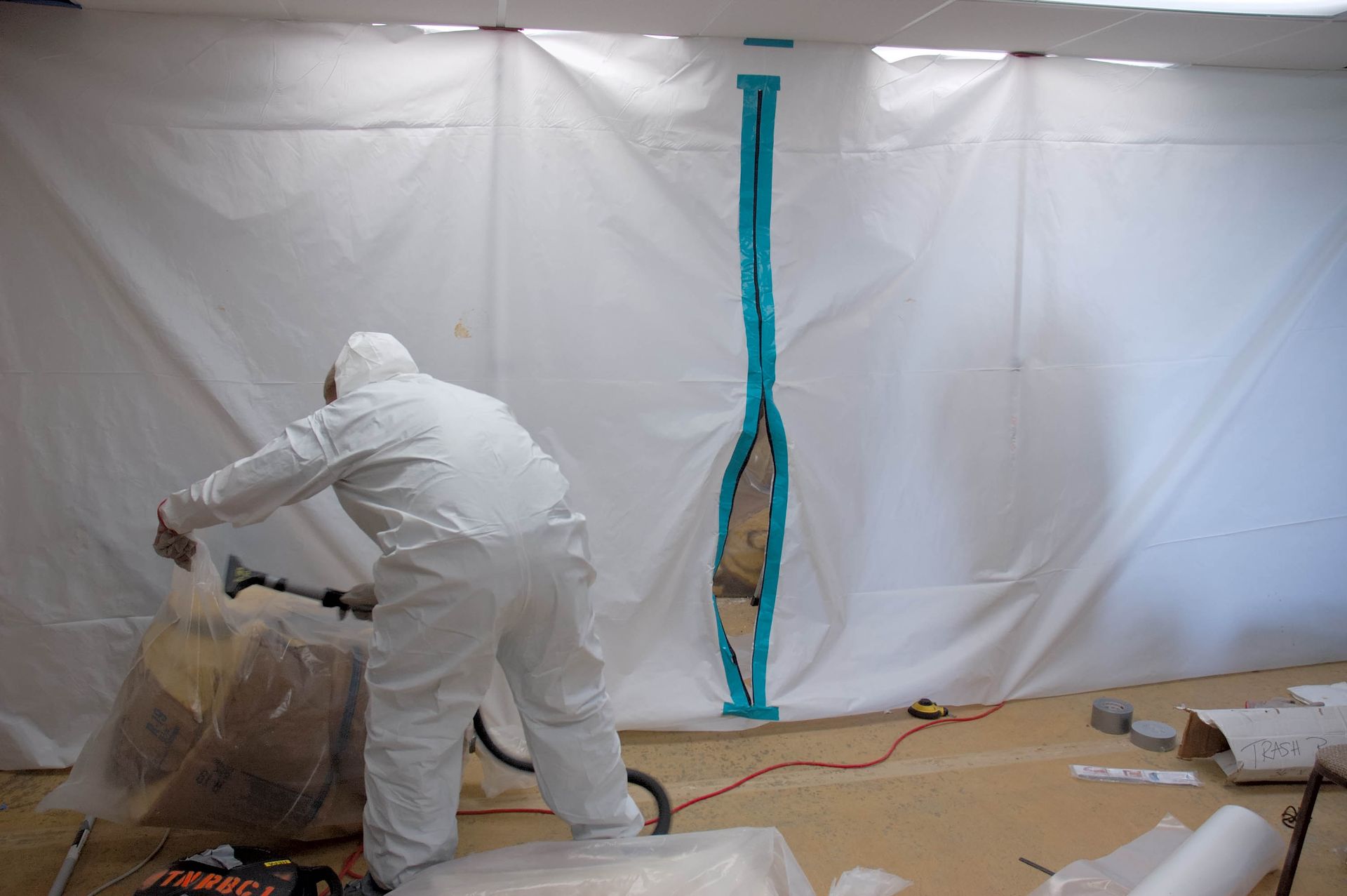
Containment is an important consideration during professional mold remediation because disturbing contaminated materials can release particles into the surrounding environment. Without appropriate controls, activity in one affected area may contribute to contamination elsewhere in the property. Professional practices are designed to manage this risk while work is underway.
The specific containment approach depends on the characteristics of the affected space and the scope of remediation. Professionals consider airflow, adjacent rooms, building layout, and the materials being handled when determining how to isolate work areas. This controlled approach supports a more organized remediation process.
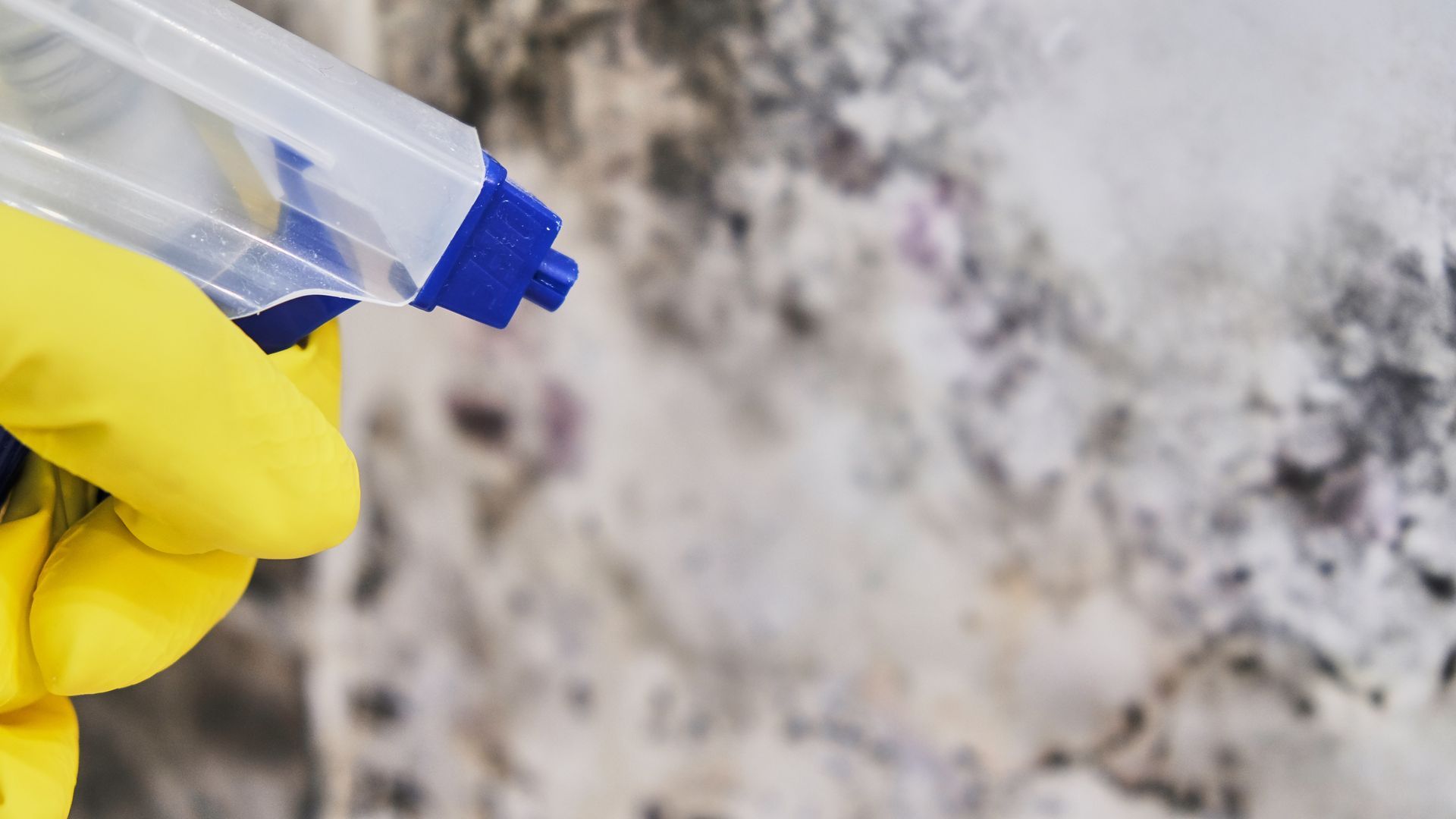
Qualified mold removal contractors understand that remediation involves managing both the contaminated materials and the surrounding environment. Careful containment can help reduce unnecessary movement of mold particles while affected materials are addressed. This is one reason professional remediation differs significantly from simply cleaning a visible stain or covering a discolored surface.
Removing Mold-Affected Materials
Different building materials respond differently to moisture and mold contamination. Hard, nonporous materials may present different remediation considerations than porous materials that can absorb moisture and support growth beneath the surface. Drywall, insulation, carpeting, wood products, and other household materials may therefore require different approaches depending on their condition.
Professional remediation focuses on determining what can be appropriately treated and what may need to be removed because of contamination or material deterioration. That decision depends on the nature of the material, the extent of mold involvement, and the conditions found during evaluation. Removing unnecessary materials can increase disruption, while leaving significantly affected materials in place can undermine remediation goals.
Mold removal contractors bring knowledge of these distinctions to the project. Their work is intended to address contamination in a manner suited to the materials and conditions involved rather than relying on a single treatment for every surface. This material-specific approach can contribute to more thorough management of mold-affected spaces.
Addressing Moisture-Related Sources
Successful mold remediation is closely connected to moisture management. Mold growth can return when the underlying source of dampness remains unresolved, even if contaminated materials have already received professional attention. For this reason, identifying moisture conditions is an essential part of understanding the overall problem.
A property may have several potential moisture sources. Plumbing issues, exterior water intrusion, condensation, ventilation problems, and persistent humidity can create different patterns of dampness. Some sources are readily apparent, while others may require further evaluation by professionals who specialize in the relevant building system.
Experienced mold removal contractors can help homeowners understand how moisture relates to the affected areas identified during remediation. Depending on the source, additional repairs may need to be completed by appropriate professionals. Coordinating remediation with moisture correction helps address the conditions that contributed to mold development instead of focusing exclusively on its visible effects.
Verifying Mold-Related Improvements
The completion of remediation work should reflect the conditions and objectives established for the project. Depending on the situation, post-remediation evaluation or environmental testing may be appropriate to gather additional information about the treated space. Independent laboratory analysis can also provide objective data when samples are collected as part of an environmental assessment.
Documentation and verification can be particularly useful when mold was associated with substantial water damage, hidden contamination, property transactions, or ongoing indoor environmental concerns. Clear findings help property owners understand what was evaluated and provide a record of conditions at the time of assessment.
Professional mold removal contractors may work alongside environmental testing specialists when a project requires independent evaluation. Keeping remediation and analytical information clearly documented can improve communication among homeowners, remediation professionals, property managers, and other parties involved in resolving an indoor mold concern.
Protecting Healthier Indoor Environments
Mold concerns are ultimately connected to the broader condition of the indoor environment. A home with persistent dampness can experience recurring material damage, unpleasant odors, and continued mold growth if contributing conditions remain unresolved. Addressing contamination professionally can therefore support both property maintenance and indoor environmental management.
Homeowners benefit from paying attention to warning signs such as recurring moisture, unexplained discoloration, musty odors, or evidence of past water intrusion. These conditions do not automatically establish the extent of a mold problem, but they can indicate that further evaluation is appropriate. Professional assessment provides information that can guide decisions without relying solely on assumptions based on appearance.
Working with qualified mold removal contractors gives property owners access to specialized knowledge about contamination, containment, affected materials, and moisture-related conditions. A comprehensive approach can help clarify the scope of the issue and support appropriate remediation based on the specific characteristics of the property.
Choosing Professional Mold Solutions
Mold remediation is most effective when it addresses the complete environmental concern rather than treating visible growth as an isolated cosmetic problem. Evaluating affected areas, controlling contamination, addressing damaged materials, and understanding moisture sources all contribute to a more comprehensive response.
Professional involvement can also provide greater clarity when homeowners are uncertain about the extent or location of contamination. Instead of relying on surface appearance alone, qualified specialists can evaluate conditions and determine what type of remediation is appropriate. This supports informed decisions about the property and the indoor environment.
Requesting Professional Environmental Support
Reliable information is essential when dealing with mold and other potential indoor environmental concerns. At Hera Environmental Laboratories, we provide professional environmental laboratory services that can support informed decisions about indoor conditions. Contact us to learn more about our services and how we can assist with environmental testing and analysis for your property.