October 23, 2026
Indoor air quality plays a fundamental role in maintaining personal health and daily well-being across homes and workplaces. According to data from the Environmental Protection Agency, people spend around 90% of their lives indoors, where levels of specific air contaminants, including mold spores, frequently reach two to five times the concentration of normal outdoor environments. When hidden moisture and ambient humidity encourage microbial growth, indoor air becomes heavily loaded with irritants that standard cleaning cannot address. Engaging professional mold remediation services ensures that airborne contamination is targeted at its source, transforming compromised indoor spaces into healthy environments.
Understanding the Sources of Indoor Mold Growth
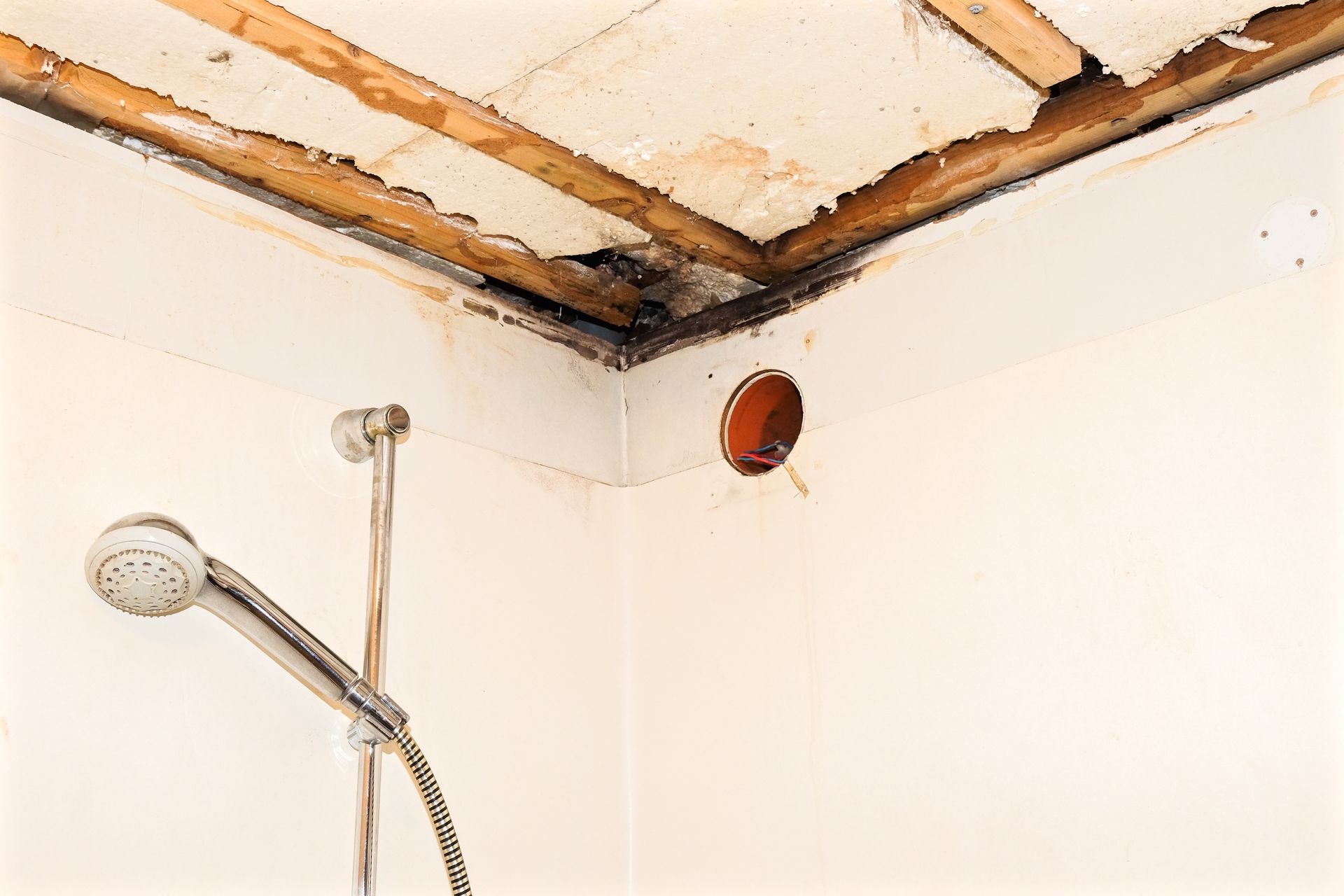
Indoor environments harbor numerous hidden pockets where elevated relative humidity and trapped moisture create ideal conditions for fungal propagation. Leaking plumbing pipes inside wall cavities, unsealed crawlspaces, roof leaks, and poorly ventilated bathrooms constantly release water vapor into enclosed spaces. Organic building materials such as drywall paper, wooden framing, carpet padding, and ceiling tiles absorb this moisture and serve as primary nutrient sources. Without adequate cross-ventilation, airborne microscopic spores settle onto damp surfaces and begin colonizing. Over time, these expanding fungal colonies continuously release high volumes of secondary spores and volatile organic compounds into the central circulation system of the property.
Identifying the Health Risks of Contaminated Air
Sustained exposure to microscopic fungal spores and associated microbial debris triggers a variety of adverse physical responses in human occupants. Individuals residing or working in buildings with active microbial contamination frequently experience chronic upper respiratory irritation, persistent coughing, sinus congestion, and unexplained eye inflammation. Those diagnosed with asthma, pre-existing respiratory conditions, or compromised immune systems often experience heightened symptom severity, including severe asthma flare-ups and chronic fatigue. Prolonged inhalation of mycotoxins, toxic compounds produced by specific fungal species, can lead to systemic inflammatory responses and long-term pulmonary issues. Because these microscopic elements remain invisible to the naked eye, building occupants frequently suffer from chronic health challenges without realizing their living space is the underlying cause.
Recognizing the Limits of Surface Cleaning
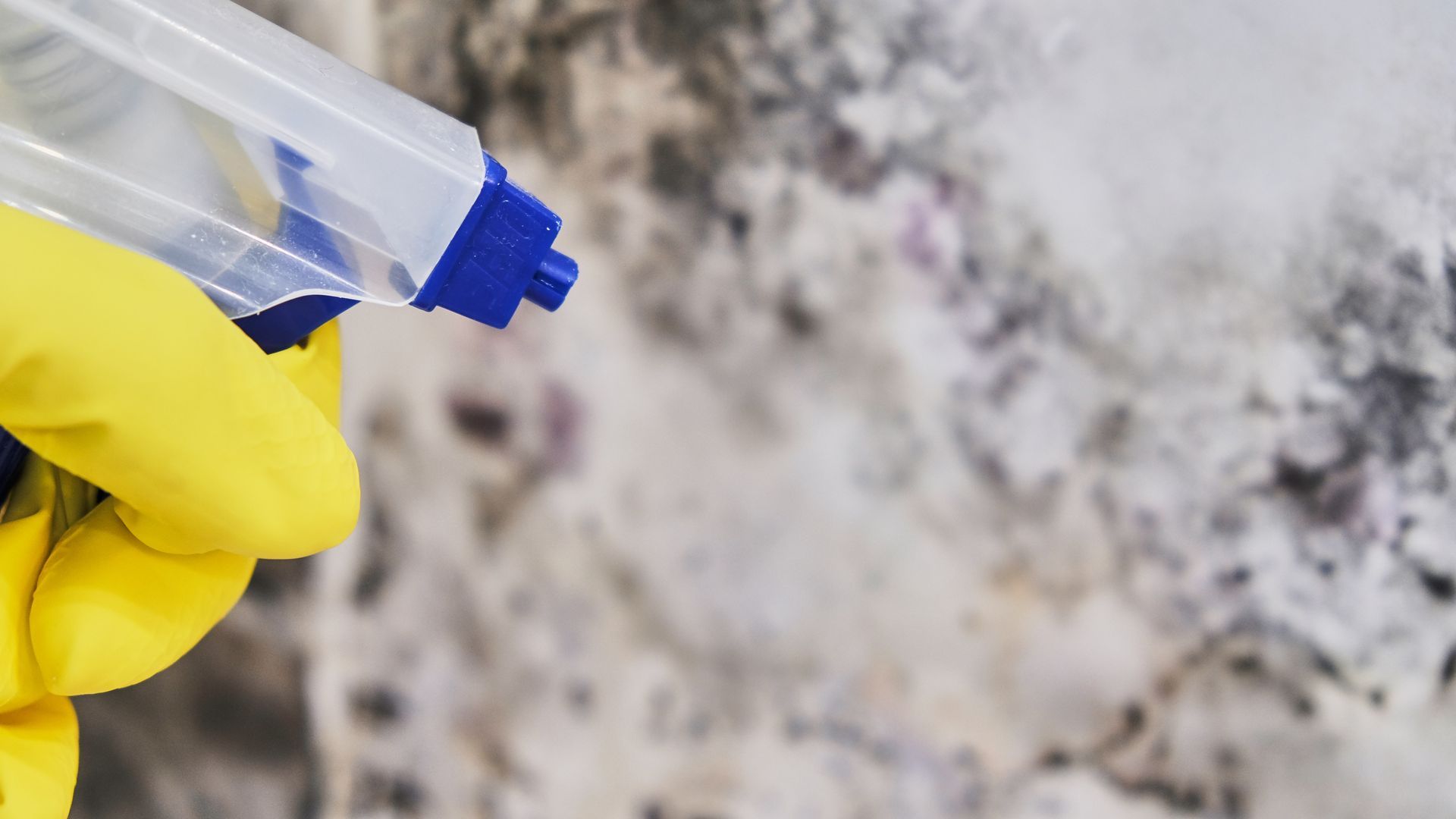
Attempting to eradicate fungal contamination using conventional household cleaners or consumer-grade bleach solutions rarely yields long-term success. Household bleach primarily treats surface discoloration on non-porous materials while leaving deep-rooted fungal structures intact within porous substrates like wood and drywall. Furthermore, applying liquid solutions to active colonies often forces the fungus to release defense mechanisms, distributing millions of spores directly into the surrounding atmosphere. Uncontained manual scrubbing lacking specialized air filtration inadvertently accelerates the spread of contamination to adjacent, unaffected rooms. Relying on comprehensive mold remediation services ensures that hidden root systems within structural building components are completely neutralized rather than temporarily disguised.
Establishing Advanced Containment Protocols
Professional restoration specialists begin the correction process by isolating contaminated zones from the remainder of the structure to prevent cross-contamination. Technicians erect physical barriers utilizing heavy-duty polyethylene sheeting and seal off all central heating, ventilation, and air conditioning vents. Specialized exhaust fans equipped with High-Efficiency Particulate Air filtration units are installed to establish negative air pressure within the containment zone. This negative pressure differential guarantees that air flows inward toward the contaminated area, preventing airborne spores from escaping into clean living or working spaces during physical cleanup. By maintaining strict environmental isolation, certified teams safeguard overall indoor air quality throughout the entire restoration process.
Deploying Air Filtration and Spore Capture Systems
Clearing microscopic pollutants from the atmosphere requires specialized industrial equipment capable of trapping sub-micron particles. Professional mold remediation services utilize commercial air scrubbers that continuously cycle the air inside containment zones through multi-stage filtration assemblies. These advanced systems incorporate pre-filters to capture large dust particles alongside final HEPA stages rated to trap ninety-nine point nine seven percent of airborne particles down to zero point three microns in size. Continuous air scrubbing removes airborne fungal fragments, dormant spores, and associated particulate matter from circulation. By running these high-capacity air scrubbers during and after material removal, technicians dramatically lower spore concentrations to safe, natural baseline levels.
Removing Contaminated Materials and Decontaminating Surfaces
Restoring air quality permanently requires the physically rigorous removal of irrecoverable building materials combined with deep surface decontamination. Technicians carefully remove heavily impacted porous materials, such as water-logged drywall, insulation, and ceiling tiles, sealing them in hazardous waste bags prior to transport. Non-porous and semi-porous structural components, such as solid wood framing and concrete, undergo detailed mechanical cleaning using specialized HEPA vacuuming, media blasting, or damp-wiping with EPA-registered antimicrobial agents. These specialized antimicrobial solutions penetrate surface pores to eliminate stubborn fungal roots and inhibit future spore germination. Thorough physical decontamination prevents residual microorganisms from lingering and regenerating once the containment environment is removed.
Regulating Moisture and Preventing Recurrence
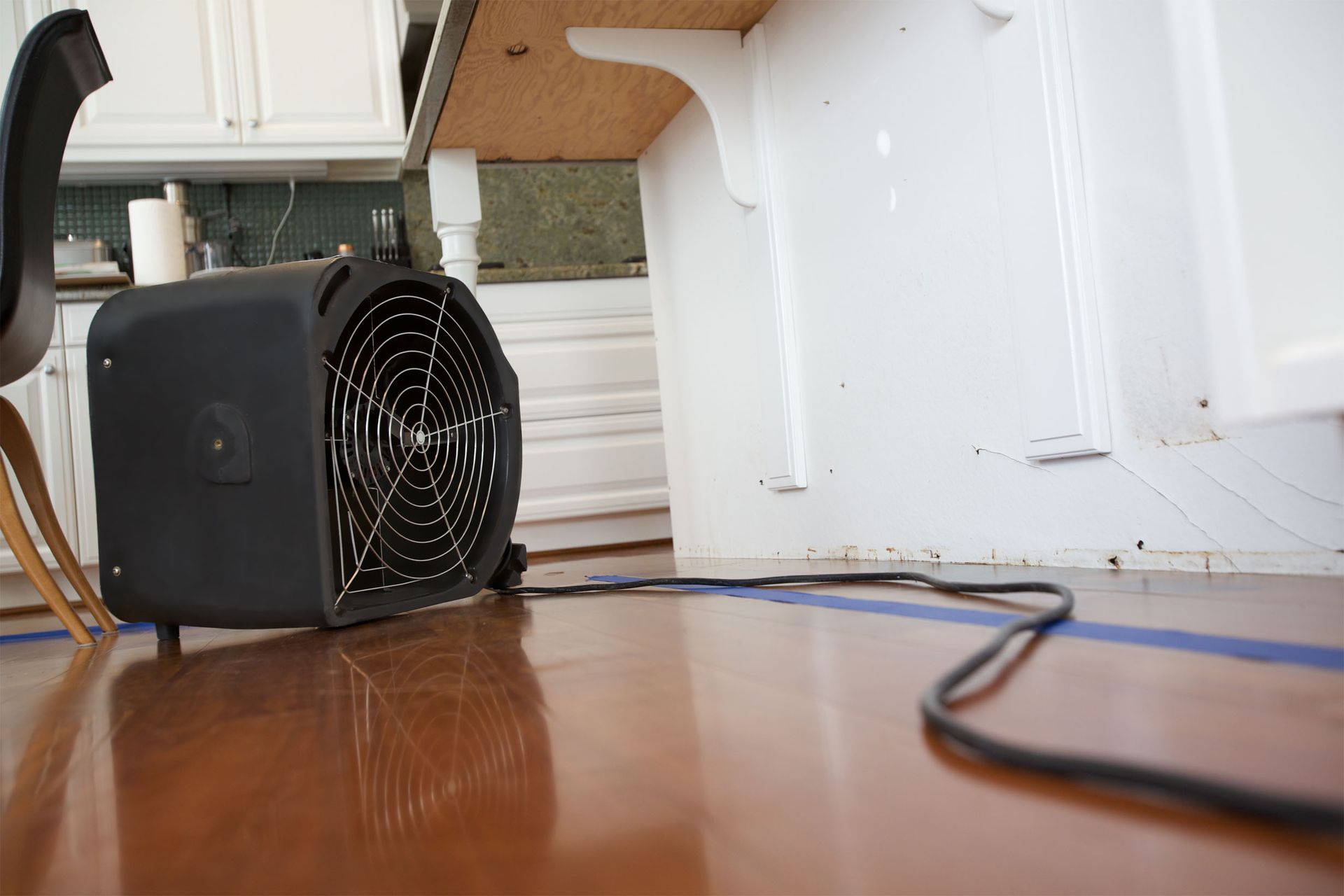
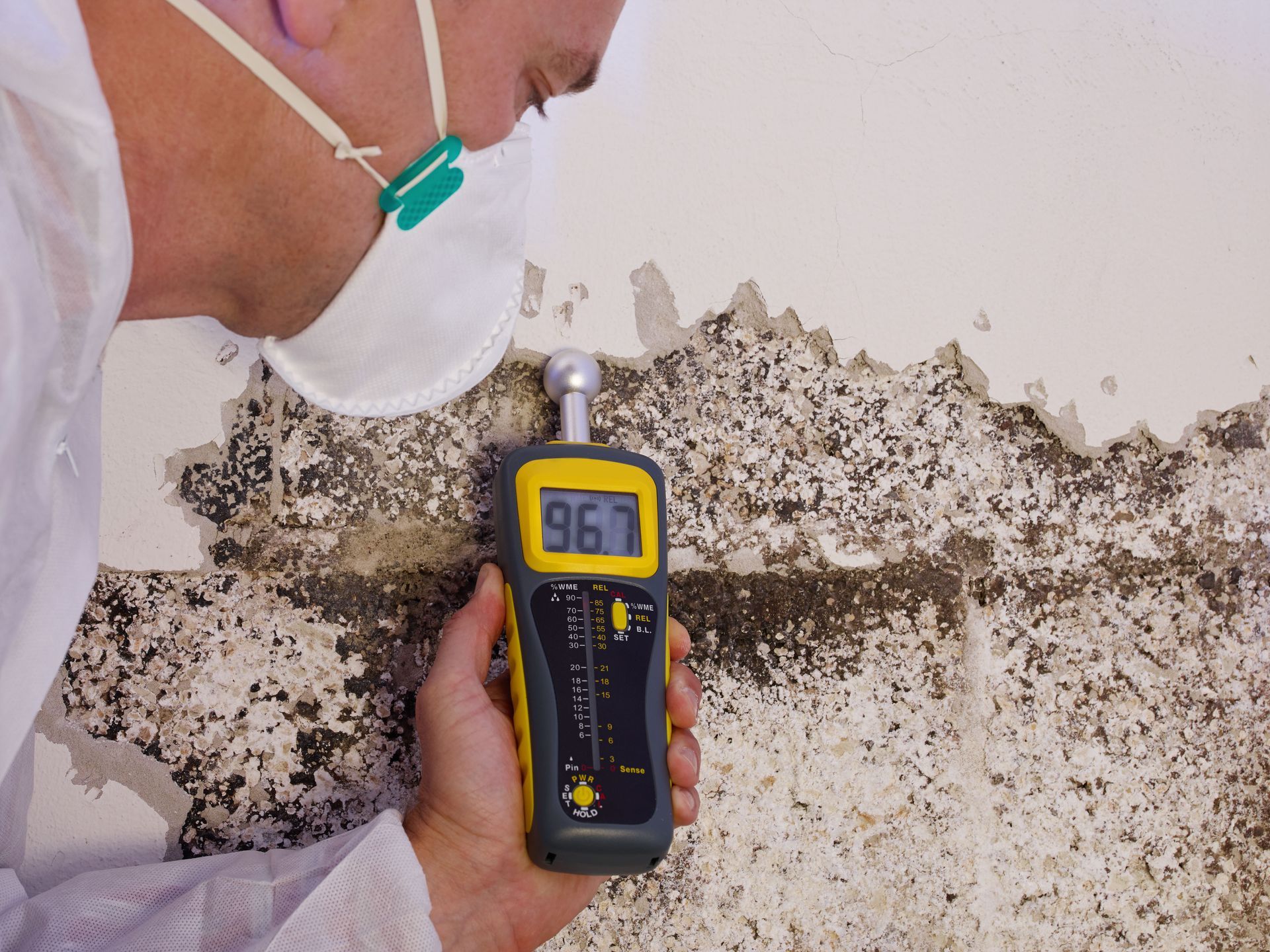
Eliminating existing fungal growth represents only half of a permanent air quality solution; controlling structural moisture is equally vital for long-term protection. Experienced remediation teams utilize thermal imaging cameras and digital moisture meters to trace hidden water leaks, elevated wall humidity, and structural condensation points. Once the source of water intrusion is identified and repaired, technicians deploy commercial-grade dehumidifiers and high-velocity air movers to thoroughly dry structural materials. Controlling indoor relative humidity eliminates the damp environment required for fungal spores to germinate. Implementing professional mold remediation services provides building owners with the comprehensive structural drying and moisture management guidance necessary to prevent recurrent indoor contamination.
Restoring Heating Ventilation and Air Conditioning Systems
A property's central heating, ventilation, and air conditioning system can function as an unintentional distribution engine for microscopic indoor pollutants. When fungal colonies establish within air handlers, cooling coils, or ductwork interiors, the system pushes high concentrations of spores into every connected room whenever the blower operates. Professional technicians perform thorough HVAC decontamination, cleaning internal coils, drip pans, and mechanical components with specialized antimicrobial agents. Air ducts are mechanically cleaned and vacuumed under negative pressure to remove accumulated organic dust and fungal debris. Restoring the HVAC system to a pristine condition ensures that clean air circulates freely throughout the building without re-contaminating freshly restored living areas.
Verifying Results Through Post-Remediation Testing
The restoration process concludes with rigorous environmental testing to objectively prove that indoor air quality has been restored to safe standards. Independent environmental professionals or certified industrial hygienists collect air samples from inside the former containment area as well as control samples from the outdoor environment. These samples are analyzed in accredited laboratories to measure spore counts and identify active fungal species. Successful clearance testing confirms that airborne spore levels inside the building are equal to or lower than natural outdoor baseline concentrations. Utilizing certified mold remediation services provides property owners with documented verification that their indoor environment is clean, healthy, and safe for occupants.
Protecting Property Value and Structural Integrity
Unchecked moisture accumulation and expanding fungal colonies actively compromise the physical framework of residential and commercial properties. Fungal organisms feed on cellulose materials, progressively weakening timber studs, floor joists, subfloors, and interior wallboard over extended periods. Left unaddressed, structural degradation can lead to sagging floors, compromised support beams, and costly structural repairs that diminish overall real estate value. Professional intervention halts this destruction by eliminating the active biological agents that break down organic building components. Investing in specialized mold remediation services preserves the structural integrity of the property while protecting its financial value in the real estate marketplace.
Reclaiming a Healthy Indoor Environment
Achieving and maintaining clean indoor air requires a proactive approach to moisture management, air filtration, and structural maintenance. Partnering with certified environmental restoration experts ensures that hidden fungal contamination is identified, contained, and eliminated using proven scientific methodologies. By addressing airborne spore concentrations and resolving underlying water intrusion issues, property owners create safer spaces for living, working, and breathing. Utilizing professional services remains the most effective, reliable pathway to eliminating indoor pollutants and safeguarding long-term respiratory health. For more on how
mold remediation services can improve your indoor air quality, please contact Hera Environmental Laboratories today.