October 22, 2026
Maintaining a safe living space requires proactive attention to hidden environmental hazards, making routine checks vital for every property owner. Mold thrives in damp, humid conditions, frequently developing unseen behind drywall, under flooring, or within HVAC units until serious structural damage or severe symptoms manifest. Scheduling a professional mold inspection allows homeowners to uncover latent growth early, protecting both indoor air quality and structural integrity. Investing in timely checks prevents minor moisture issues from escalating into widespread contamination across the house.
Beyond structural risks, unmanaged indoor dampness introduces significant health concerns for occupants of all ages. Spore inhalation and exposure to mycotoxins can irritate sensitive airways, exacerbate allergies, and compromise general immune function over long periods. Regularly checking high-risk areas, such as basements, crawlspaces, kitchens, and bathrooms, ensures that potential risks are identified and controlled before medical issues emerge. Prioritizing routine checks safeguards your household's overall physical well-being while avoiding expensive emergency remediation efforts.
Establishing a consistent routine for property maintenance gives homeowners complete peace of mind and long-term financial security. Ignoring persistent moisture issues inevitably leads to structural degradation, costly repairs, and potential medical expenses, all of which are manageable with early intervention. Comprehensive evaluation services equip owners with actionable data, enabling them to make informed decisions regarding moisture management, repair budgets, and ventilation upgrades. Adopting a preventative approach is ultimately a foundational pillar of sustainable home care and family wellness.
Evaluating the Health Risks of Spore Exposure
Inhaling airborne fungal spores severely impacts respiratory wellness, causing or aggravating conditions such as chronic bronchitis, rhinitis, and asthma. According to the CDC, approximately 4.6 million asthma cases in the U.S. are linked to dampness and mold exposure. Individuals with pre-existing conditions, elderly residents, and young children are particularly susceptible to severe lung irritation, wheezing, and coughing fits when indoor environments harbor high concentrations of spores. A thorough mold inspection helps pinpoint hidden reservoirs, enabling prompt removal and restoring safe breathing conditions for everyone in the household.
Sensitivities and allergic responses are among the most common manifestations of household spore exposure. Symptoms such as persistent sneezing, nasal congestion, eye irritation, and skin rashes frequently mimic seasonal allergies, leading many individuals to misdiagnose the underlying cause. Prolonged exposure can heighten systemic sensitivity, resulting in chronic inflammation and increased reliance on daily medications. Conducting detailed assessments eliminates allergen sources at their origin, drastically improving overall indoor environment comfort.
Prolonged exposure to fungal bioaerosols can also trigger systemic issues, including chronic tension headaches, ongoing fatigue, weakened immune responses, and heightened anxiety. Toxic compounds released by certain fungal species disrupt normal cellular function and stress the nervous system over time. Identifying hidden growth behind surfaces through professional testing allows families to address the true root of persistent, unexplained health complaints before long-term complications develop.
Recognizing Common Signs of Home Contamination
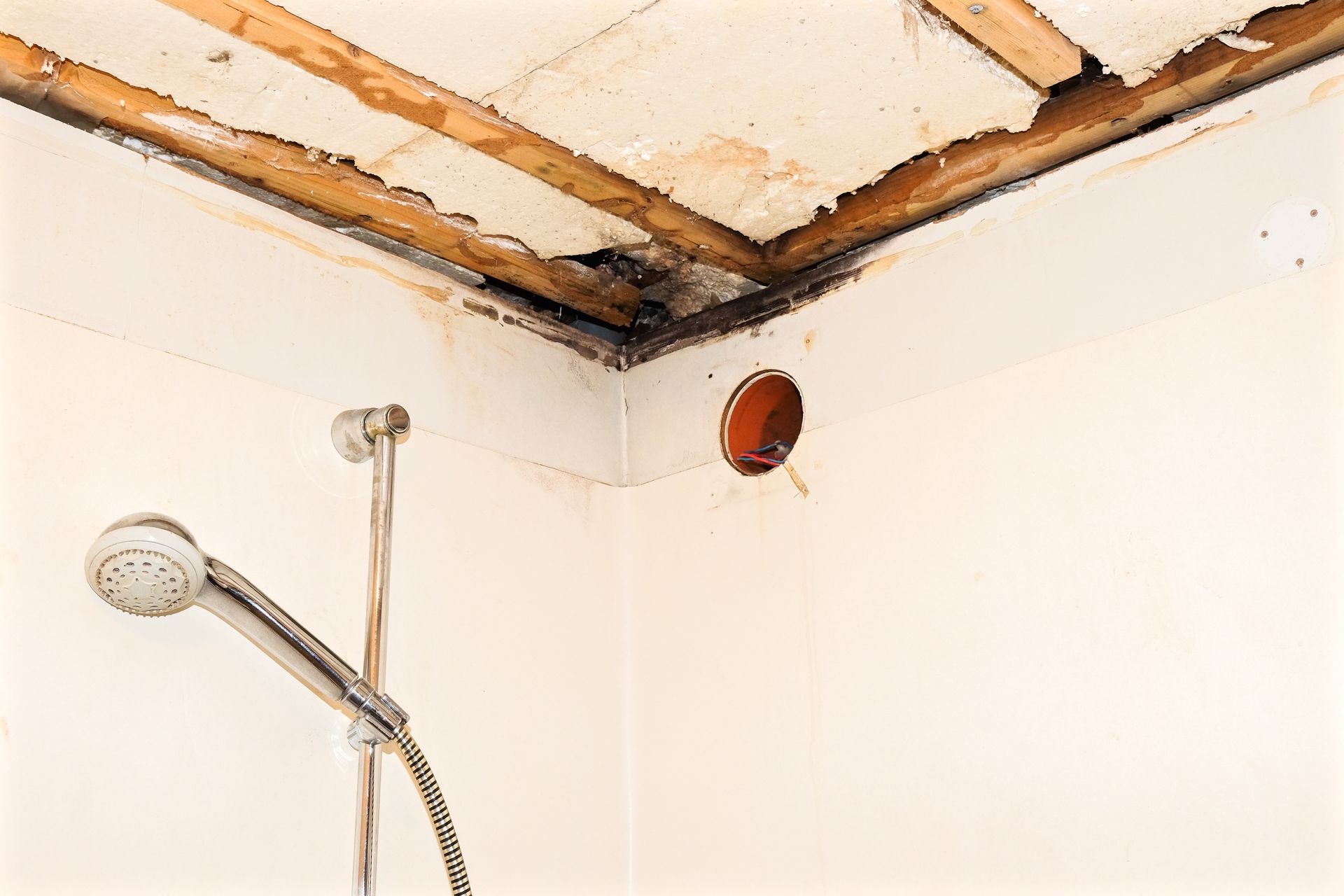
Discoloration on walls, ceilings, baseboards, or around window frames provides clear visual confirmation of fungal growth. These patches typically present as black, green, brown, or white specks that are often mistaken for simple dirt or scuff marks. However, visible surface growth is usually just the tip of the iceberg, indicating larger, thriving colonies expanding behind building materials. Seeking a professional mold inspection as soon as discoloration is noted ensures hidden structural damage is thoroughly assessed and properly managed.
A persistent, musty odor is another undeniable indicator of active fungal activity within a property. Microbial organic compounds released during colony growth produce a distinct earthy smell that lingers even in seemingly clean rooms. Masking these odors with air fresheners or scented sprays fails to address the underlying moisture problem and allows subterranean growth to continue unchecked. Identifying the exact source of hidden odors requires specialized detection tools to prevent extensive, unseen property degradation.
Unresolved plumbing leaks, roof defects, localized flooding, and sustained high humidity levels create ideal conditions for rapid spore germination. Materials like insulation, drywall, and subflooring retain moisture long after surface water is cleaned up, fostering hidden growth within 24 to 48 hours. Routine monitoring of indoor relative humidity, keeping levels strictly between 30% and 50%, combined with prompt leak repairs effectively starves fungal spores of the moisture necessary to establish viable colonies.
Executing Professional Testing and Mapping Procedures
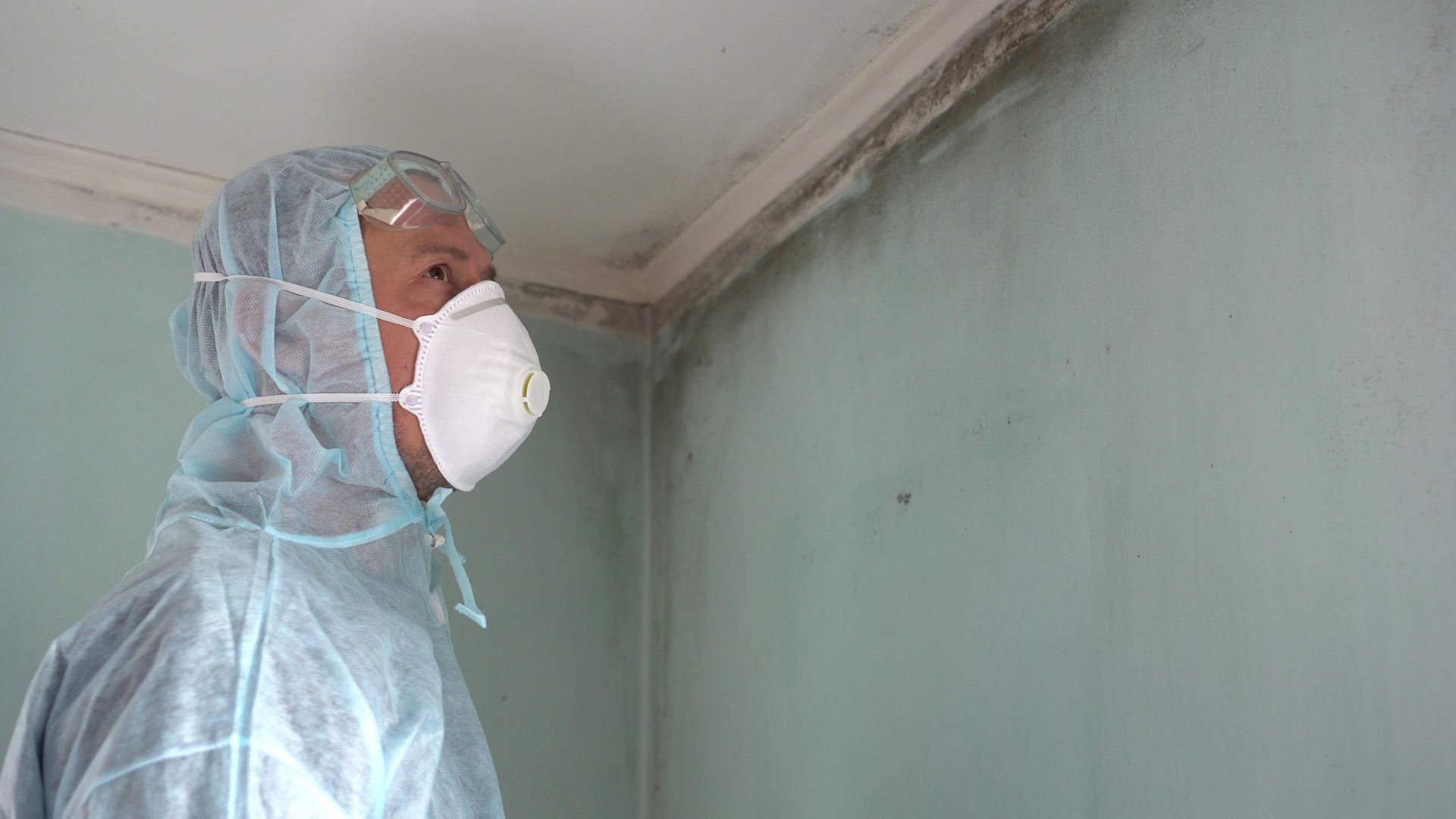
A professional mold inspection begins with a meticulous visual evaluation of the entire structure to locate active growth, moisture intrusion, and potential risk zones. Certified technicians inspect key structural components, assess ventilation efficiency, and interview occupants regarding past water incidents or unexplained health symptoms. Gathering comprehensive baseline data allows specialists to design a targeted investigation plan tailored specifically to the property's unique layout and historical moisture exposure.
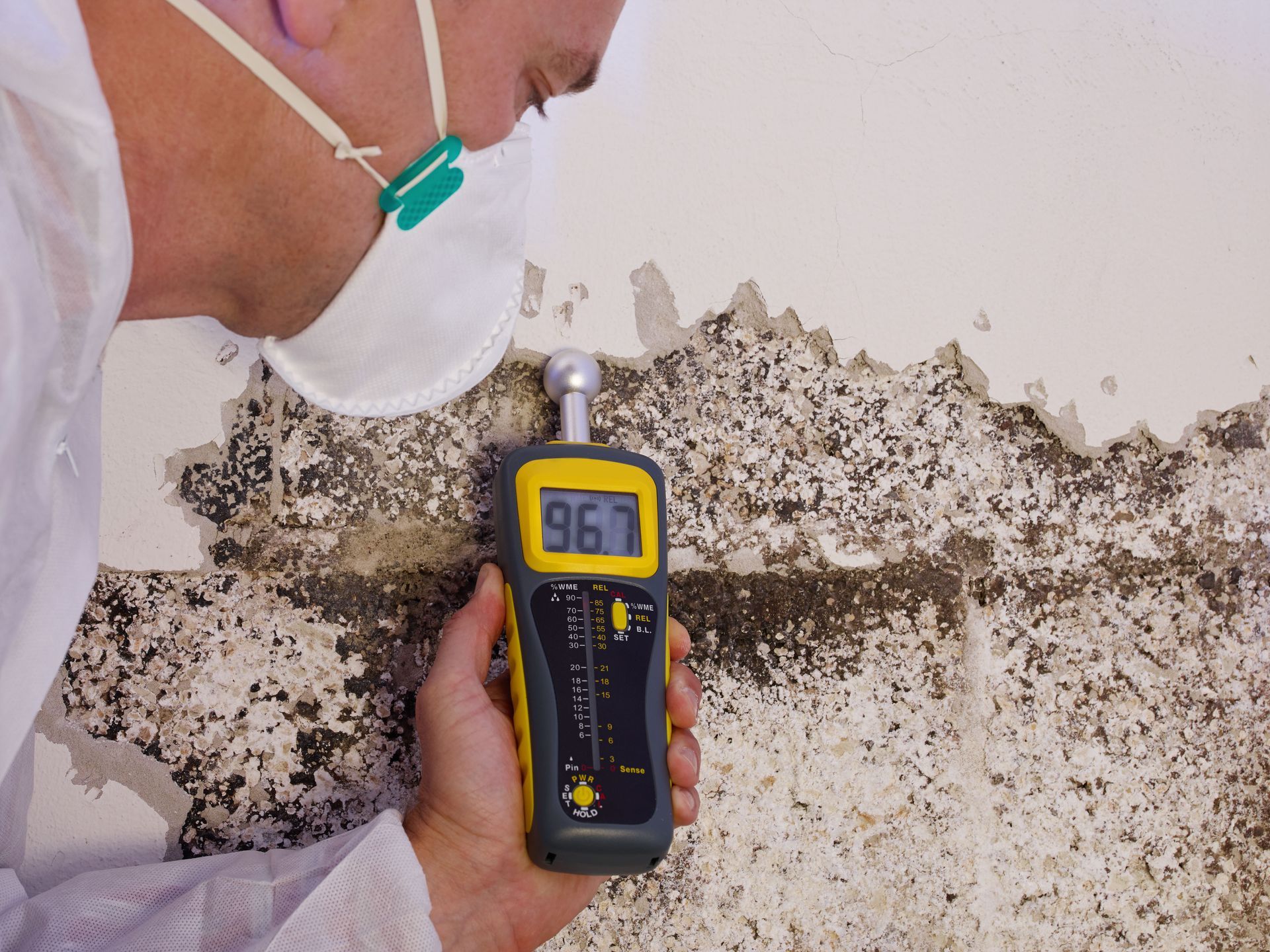
Advanced diagnostic tools, including non-invasive pinless moisture meters and thermal imaging cameras, are used during moisture mapping to detect hidden dampness within walls, beneath flooring, and inside ceiling cavities. Infrared thermography highlights subtle temperature differences caused by evaporative cooling, pinpointing exact pockets of trapped water without requiring destructive entry into building materials. Accurately mapping moisture boundaries allows technicians to isolate problem zones and outline effective drying strategies.
Air quality testing and surface sampling provide crucial empirical data regarding total spore counts and specific fungal species present within the living environment. Comparing indoor air samples against outdoor baseline controls reveals whether elevated spore concentrations exist inside the home. Once physical samples are analyzed by accredited laboratory facilities, technicians generate detailed reports specifying contamination levels, identifying specific species, and offering clear, actionable recommendations for remediation.
Remediating Contaminated Spaces for Lasting Protection
Once contamination is confirmed, containment protocols must be immediately established to prevent fungal spores from spreading into unaffected areas during cleanup. Technicians install heavy-duty plastic sheeting barriers and utilize negative air pressure units equipped with HEPA filtration to isolate the work area. This process captures airborne particulate matter, preventing cross-contamination throughout the remainder of the HVAC system and living spaces during physical removal efforts.
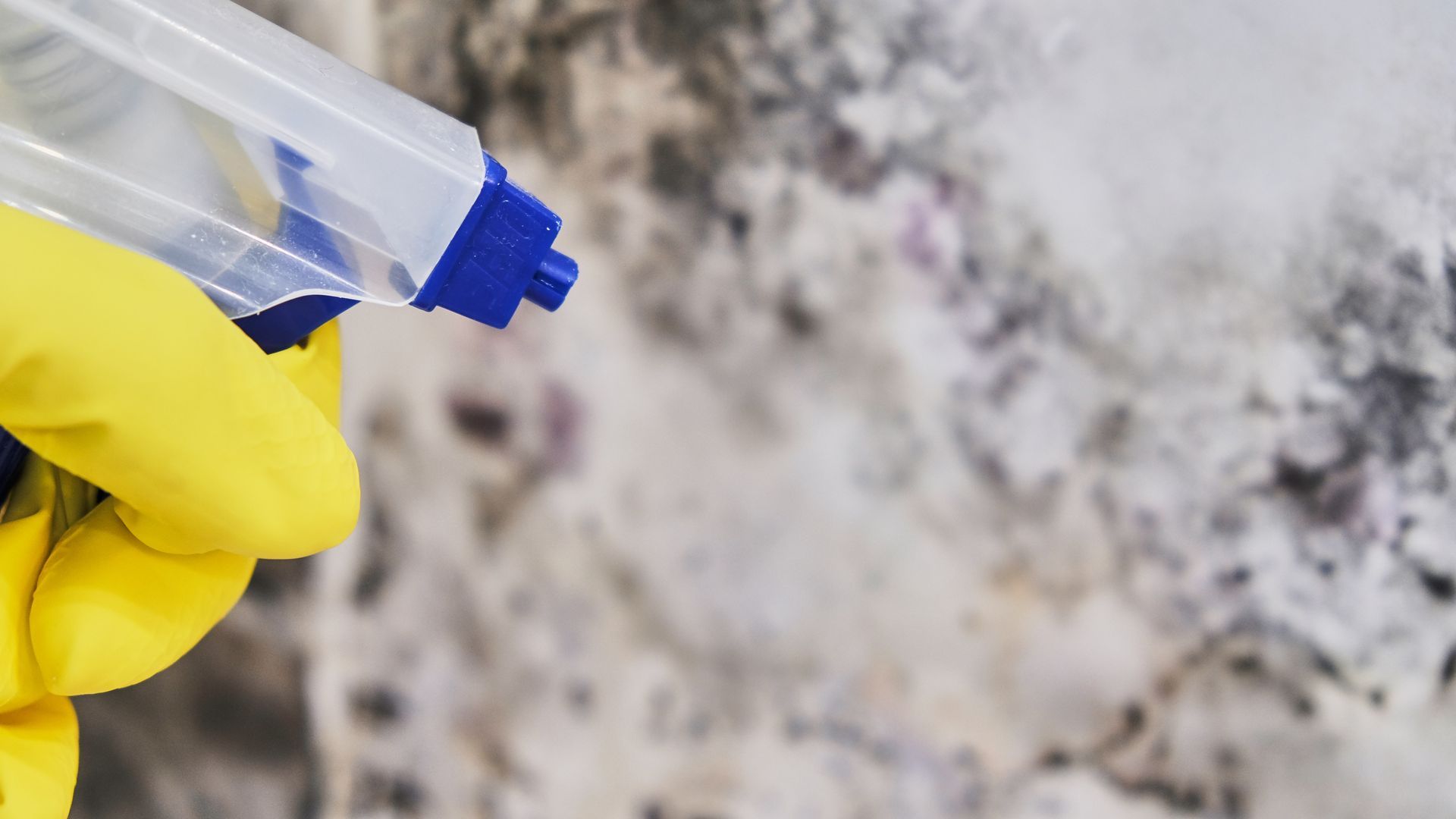
Porous items that have sustained heavy fungal penetration, such as compromised drywall, carpet padding, and acoustic ceiling tiles, must be safely removed and disposed of according to strict safety guidelines. Non-porous and semi-porous structural elements are thoroughly scrubbed using specialized antimicrobial agents and HEPA-vacuumed to eliminate remaining surface spores. Thorough physical cleaning combined with professional-grade containment ensures that fungal colonies are completely eradicated rather than temporarily suppressed.
Long-term protection relies on rectifying the original moisture source that enabled growth in the first place. Fixing roof leaks, sealing foundation cracks, upgrading bathroom exhaust ventilation, and installing commercial-grade dehumidifiers in damp basements ensure optimal moisture control moving forward. Scheduling a follow-up mold inspection after remediation confirms that spore counts have returned to safe, natural baseline levels, verifying that your home environment is fully restored and healthy.
Choosing Qualified Testing and Remediation Specialists
Selecting a certified, independent testing firm ensures that property evaluations remain entirely objective, accurate, and aligned with industry standards. Qualified specialists hold industry certifications, maintain comprehensive insurance coverage, and utilize state-of-the-art diagnostic equipment to evaluate contamination levels. Working with trained professionals guarantees that subtle signs of hidden moisture, structural damage, and airborne contamination are correctly identified without bias or unnecessary alarm.
Comprehensive inspection reports provide homeowners with clear diagnostic findings, digital thermal images, lab analysis results, and step-by-step remediation protocols. Clear documentation is essential when working with insurance carriers, real estate transactions, or specialized repair contractors. Partnering with experienced diagnostic experts ensures every phase of the investigation and recovery plan is conducted safely, efficiently, and effectively.
Investing in regular property evaluations remains one of the most effective ways to preserve real estate value and protect household health over time. Timely detection prevents localized moisture issues from evolving into costly structural overhauls or chronic health hazards for your family. For more information about the services that we offer, reach out to our incredible team at Hera Environmental Laboratories today!