November 2, 2026
Indoor environmental safety depends heavily on managing hidden airborne hazards. Among the most pervasive threats to residential air quality are radioactive soil gases and microbial contaminants that accumulate unnoticed inside living spaces. Property owners frequently encounter elevated readings during routine home inspections or notice signs of biological growth following seasonal weather changes. When addressing these air quality concerns, property owners often weigh active engineering solutions against temporary remedies. A common question arises when reviewing options: does an engineered structural system or a short-term intervention provide better security? Evaluating the operational mechanics, health outcomes, and physical structures involved demonstrates why comprehensive interventions consistently outperform short-term solutions.
Understanding Indoor Environmental Threats
Indoor air pollution often stems from invisible sources that penetrate residential foundations. The primary challenge in managing indoor safety is recognizing how subterranean gases and moisture issues establish a continuous presence inside a home.
Mechanics of Subterranean Gas Infiltration
Soil gas enters structures through a physical process known as the stack effect. Because indoor air is generally warmer than outdoor air, rising warm currents create a negative pressure zone at the lowest foundation level of a house. This vacuum pulls gases out of the surrounding earth through basement floor cracks, expansion joints, sump openings, and hollow foundation walls. Unlike biological growth, radioactive soil gas produces no odor, coloration, or sensory indicator. Because entry depends on dynamic subterranean pressure shifts and fluctuating weather patterns, indoor concentrations shift throughout the day. Intermittent ventilating techniques fail to eliminate this ongoing physical draw from beneath the foundation slab.
Persistence of Microbial Contamination
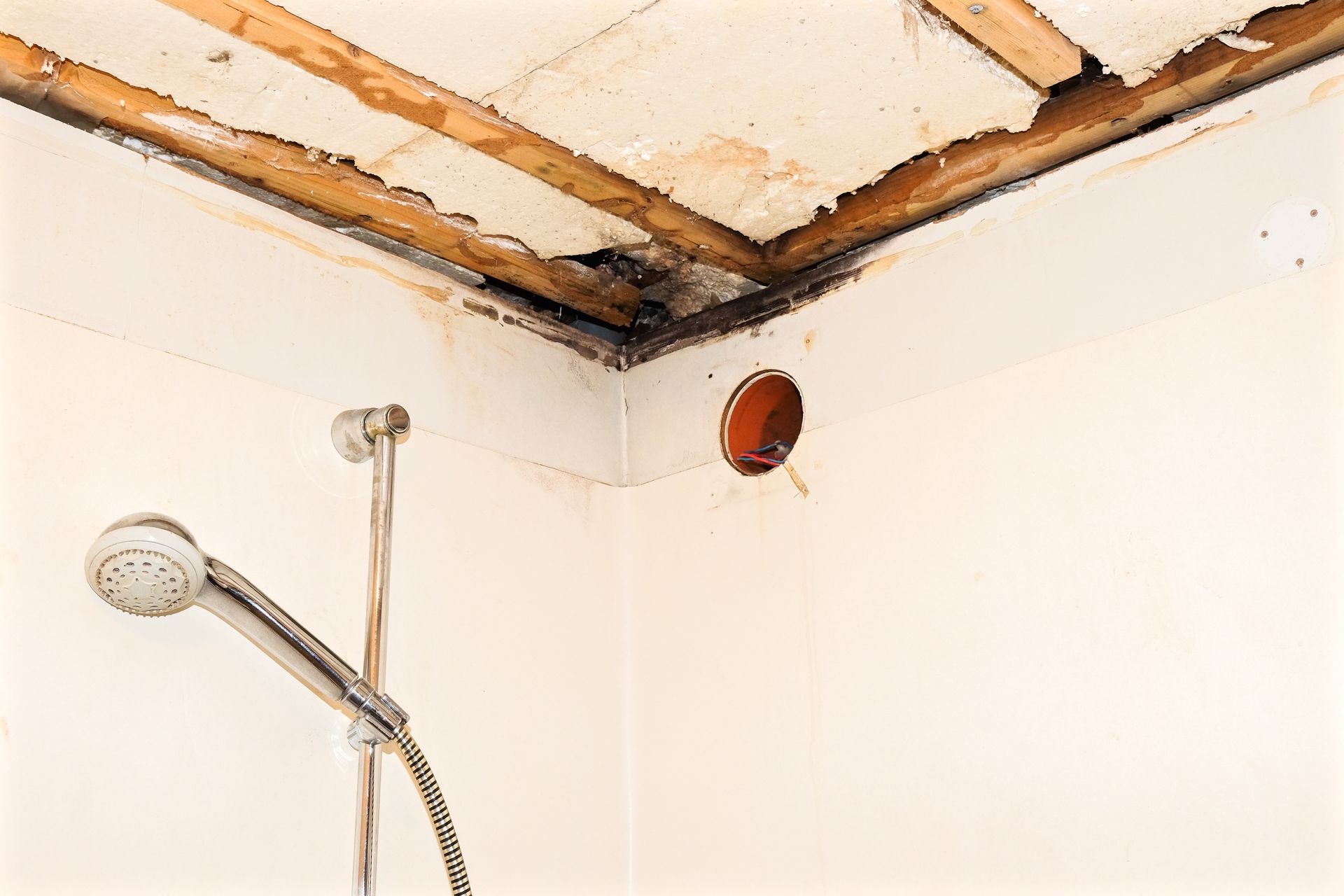
Microbial proliferation presents a related environmental hazard that frequently coexists with subterranean soil moisture. Fungal spores remain dormant in surrounding environments until they encounter organic cellulose materials combined with sustained relative humidity above normal thresholds. When moisture enters basements, crawlspaces, or lower living quarters, fungal colonies develop rapidly behind framing and beneath flooring. Simply wiping down surface growth without modifying the surrounding subterranean moisture or pressure gradient leaves fungal spores intact. The environmental conditions that allow moisture to seep into structural materials also facilitate the steady entry of other gaseous soil contaminants, compounding overall air quality challenges.
Evaluating Active Systems Against Temporary Methods
Addressing air quality concerns requires distinguishing between superficial responses and permanent physical remediation systems designed to control foundation pressures.
Limitations of Surface Interventions
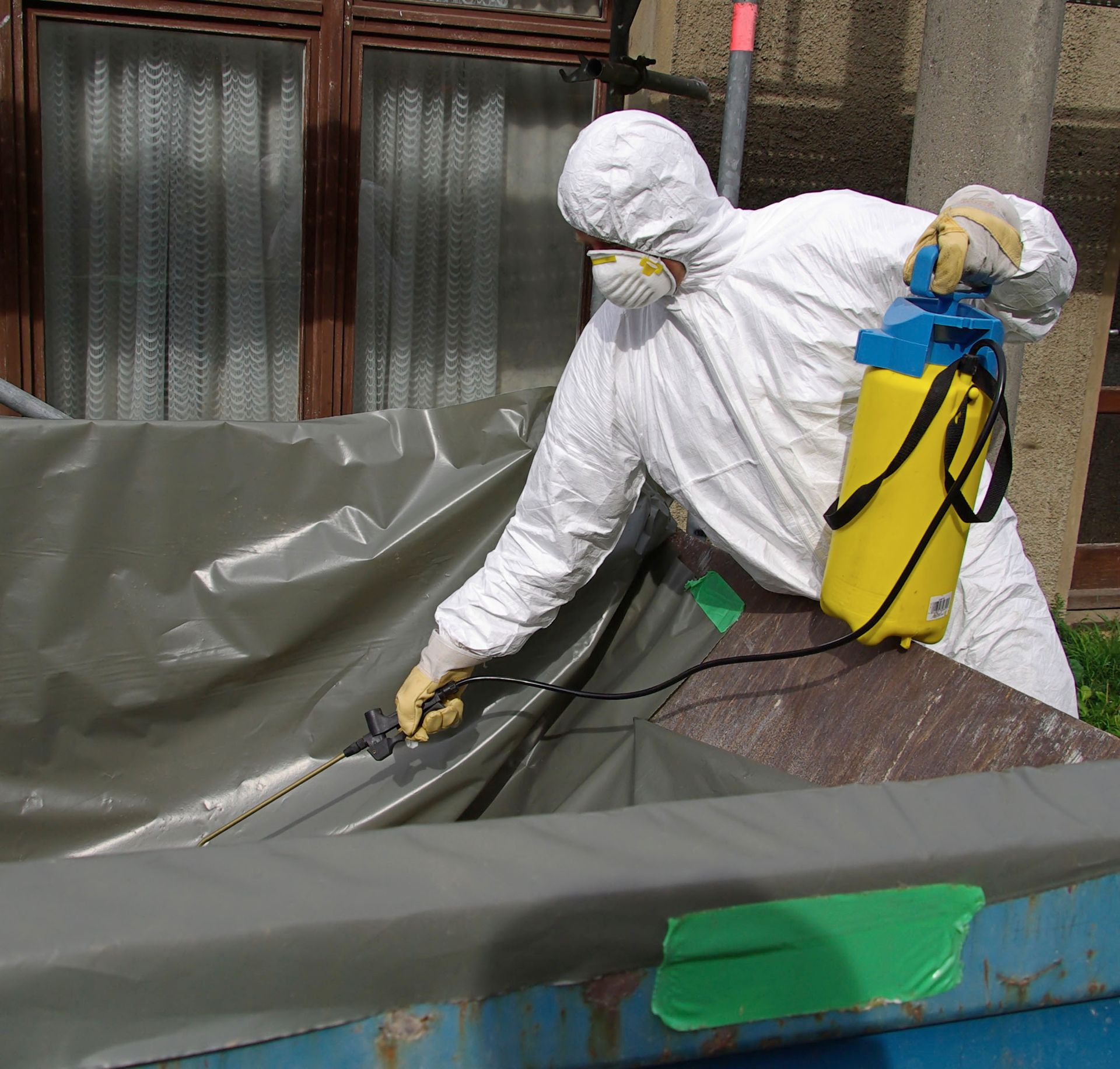
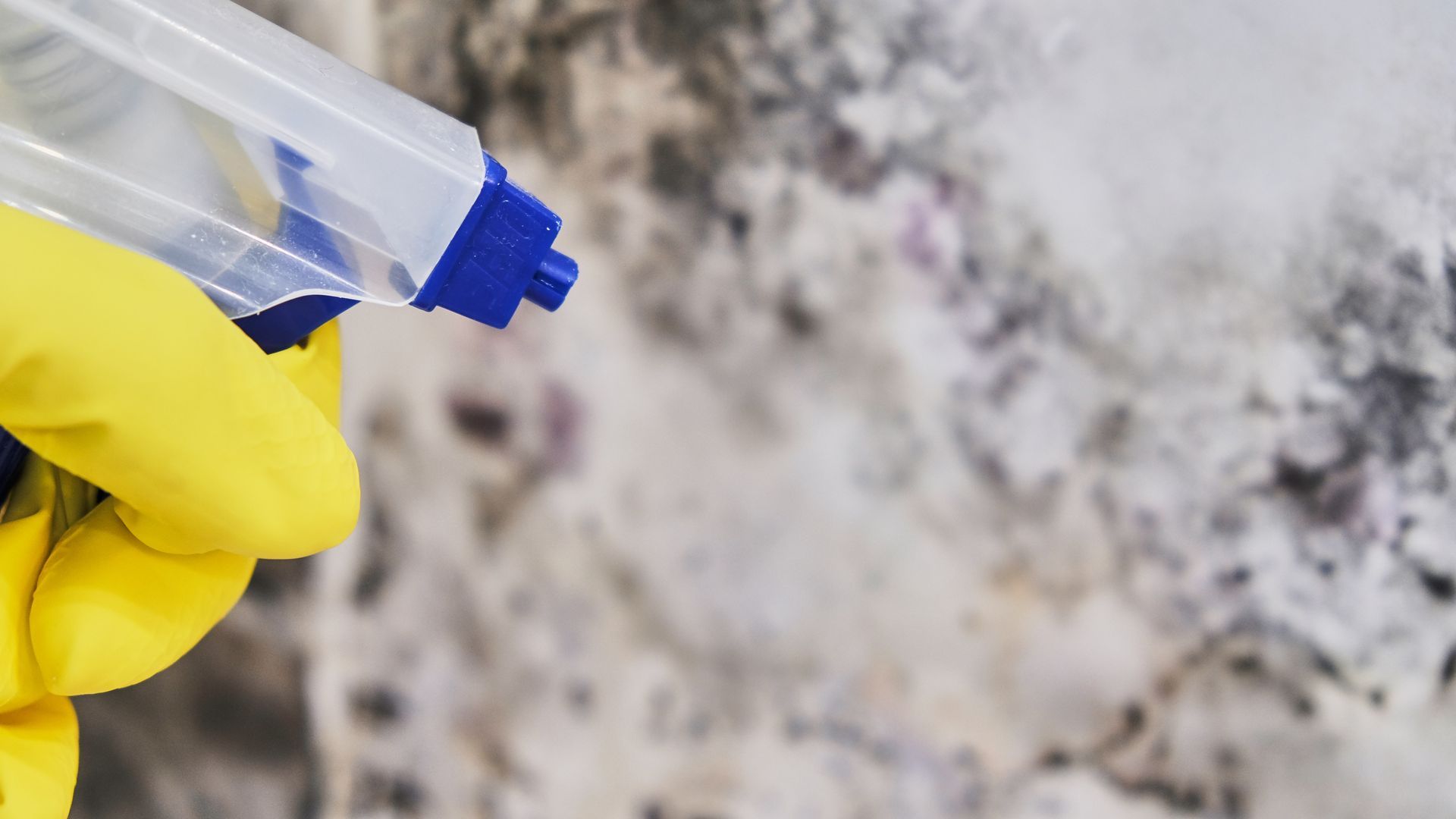
Temporary responses often involve isolated surface cleaning, opening windows, deploying portable room air purifiers, or spraying topical biocides across visible mold patches. While these methods may temporarily clean visible stains or dilute indoor air, they do not change the underlying structural dynamics driving contamination. Portable consumer filtration units cannot capture noble gases, and surface treatments do not eliminate airborne moisture deep within framing. As soon as windows close or chemical residues dry, negative foundation pressure continues pulling subterranean gases into the home, allowing contamination to rebound to baseline levels.
Principles of Continuous Gas Extraction
In contrast, permanent structural interventions rely on continuous pressure manipulation to prevent hazardous soil vapors from entering indoor spaces. Installing dedicated sub-slab depressurization mechanisms creates a localized vacuum beneath the building footprint that is stronger than the indoor vacuum generated by the stack effect. By collecting soil gases beneath the slab and safely discharging them above the roofline, mitigating radon establishes a permanent barrier against subterranean entry. Because radon mitigation operates uninterrupted through changing seasonal temperatures, it maintains low vapor levels regardless of environmental shifts. This mechanical alteration changes the underlying physical dynamics rather than simply responding to symptoms.
Health Implications of Long-Term Indoor Exposure
Sustained exposure to poor indoor air quality introduces cumulative physiological burdens that temporary cleaning efforts cannot mitigate.
Chronic Respiratory Risks and Allergic Reactions
Subterranean gases deliver ionizing radiation directly into pulmonary tissue, where decay products emit alpha particles that damage cellular DNA and elevate long-term health risks. At the same time, microbial growth spreads active spores and mycotoxins throughout indoor air channels. Airborne fungal particles trigger mucosal irritation, allergic rhinitis, and asthma complications in vulnerable populations. According to the National Academy of Sciences (cited 2026), roughly 6% to 10% of people across the broader population, and between 15% and 50% of individuals predisposed to allergic conditions, exhibit mold allergies. For sensitized occupants, transient cleaning cycles allow allergen loads to spike repeatedly between interventions, leading to persistent respiratory inflammation.
Air Quality Stabilization and Family Health
A permanent environmental remedy shields respiratory health by removing baseline contaminants entirely. By sustaining uninterrupted soil depressurization, radon mitigation prevents spikes in radioactive isotopes that occur when houses remain closed during winter heating or summer cooling months. Stabilizing indoor air protects developing lungs and supports immune function by preventing chronic exposure cycles. Eliminating the constant rebound of indoor contaminants provides measurable health protection that sporadic air freshening and surface wiping cannot replicate.
Structural Performance and Environmental Management
Comprehensive environmental engineering directly affects building durability, baseline moisture control, and overall property resilience.
Moisture Migration and Foundation Integrity
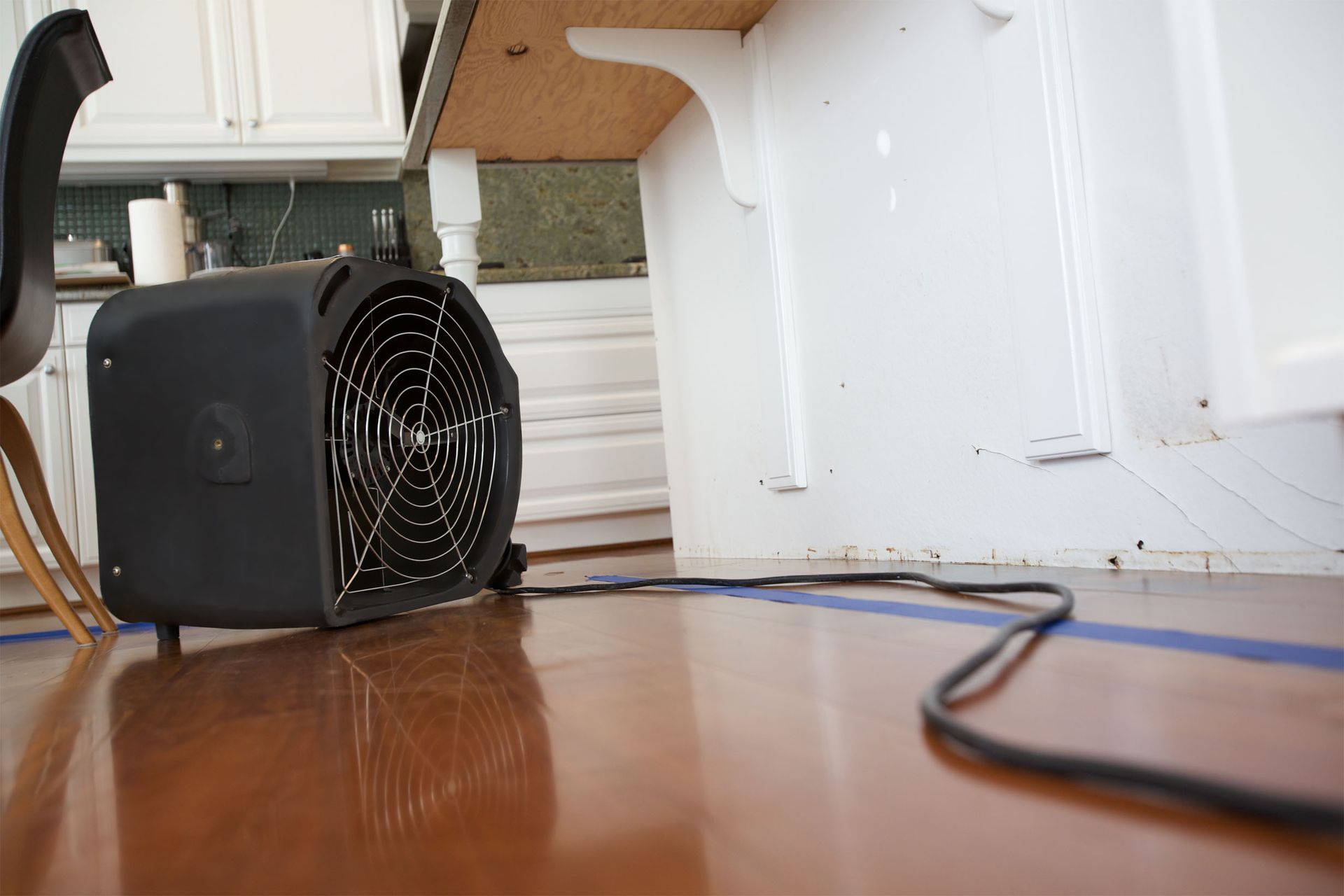
Sub-slab airflow systems provide significant secondary advantages for building structures. Subterranean gases do not travel through dry, inert soil alone; water vapor frequently acts as a carrier mechanism along the undersides of residential slabs. When sub-slab systems draw air away from the foundation perimeter, they extract considerable amounts of ground moisture alongside soil vapors. This steady subterranean extraction lowers humidity in basements and crawlspaces. By removing moisture vapor before it condensates against structural timber or concrete footings, continuous radon mitigation actively deprives fungal spores of the damp environment required for proliferation.
Maintenance Demands and Operational Consistency
Short-term interventions demand frequent repetition, ongoing monitoring, and repeated manual remediation work. Homeowners relying on sporadic surface treatments find themselves constantly cleaning recurrence patches, monitoring portable air filters, and worrying about fluctuating air quality. A dedicated sub-slab installation, however, operates continuously with minimal mechanical intervention. A visual manometer gauge confirms system draw at a glance, providing immediate confirmation that negative pressure remains active beneath the floor. Routine periodic diagnostic retesting is all that is required to confirm that the building remains protected over the long haul.
Financial Value and Property Preservation
The approach selected to manage indoor environmental contaminants directly affects the long-term asset value and marketability of a residence.
Asset Preservation During Real Estate Transactions
Environmental disclosures represent standard components of contemporary residential real estate transactions. When properties undergo professional screening prior to transfer, elevated contaminant levels or active biological growth can disrupt closing negotiations. A history of repeated temporary remediation attempts raises questions regarding underlying structural moisture control. In contrast, having a professionally installed, operating radon mitigation system provides clear physical documentation that soil gas risks have been engineered out of the structure. Transparent remediation infrastructure reassures potential purchasers and preserves property value during property evaluations.
Resource Optimization Over Time
Evaluating environmental management over several years reveals clear cost distinctions between ongoing superficial treatments and engineering solutions. One-off cleanups appear inexpensive initially, but the recurring expenses of replacement filter media, biocide applications, surface repairs, and repeated professional cleaning compound rapidly over time. Furthermore, superficial cleanings fail to prevent the unseen structural decay that persistent foundation humidity can cause to structural studs and subfloors. Investing in permanent radon mitigation resolves the root cause of soil gas entry in a single structural improvement, eliminating the chronic expense cycle associated with surface management.
Selecting between temporary cleanups and dedicated structural remediation comes down to addressing underlying causes versus managing outward symptoms. Surface interventions offer temporary aesthetic relief but leave the entry points of soil gas and foundational moisture completely unmanaged. Engineered sub-slab systems alter the physical dynamics of the foundation footprint, ensuring that contaminants are drawn away from living areas around the clock. By halting the continuous draw of subterranean gases and damp soil vapors, mitigating radon establishes a stable foundation for healthy indoor air quality. For comprehensive environmental testing, mold remediation, and professional
radon mitigation, contact Hera Environmental Laboratories to protect your home environment.