November 3, 2026
Unusual odors inside a home or commercial building can be more than an inconvenience. Sometimes, persistent chemical smells indicate the presence of volatile organic compounds (VOCs), which are substances released into the air by certain materials, products, and industrial processes. These compounds can affect indoor air quality and create potential health concerns when exposure occurs at elevated concentrations.
Although some VOCs produce noticeable odors, others may be difficult to detect without professional testing. Understanding the warning signs of indoor contamination can help property owners recognize when further investigation is necessary. Professional VOC remediation addresses identified contamination sources and helps improve indoor environmental conditions through appropriate assessment and corrective measures.
Recognizing Persistent Chemical Odors
A lingering chemical smell is among the most noticeable indicators of potential VOC contamination. These odors may resemble paint, solvents, gasoline, adhesives, or cleaning products. While temporary smells can occur during routine maintenance or renovation projects, persistent odors may suggest that certain materials continue releasing compounds into the surrounding air.
Building materials, flooring adhesives, furniture finishes, and industrial products can emit VOCs through a process known as off-gassing. Depending on the material, environmental conditions, and ventilation, emissions may continue after the original product has been installed or applied.
Property owners sometimes assume that chemical odors will eventually disappear without intervention. However, an odor that repeatedly returns or becomes stronger in enclosed spaces deserves attention. Temperature fluctuations, inadequate ventilation, and contaminated materials can influence how compounds accumulate indoors.
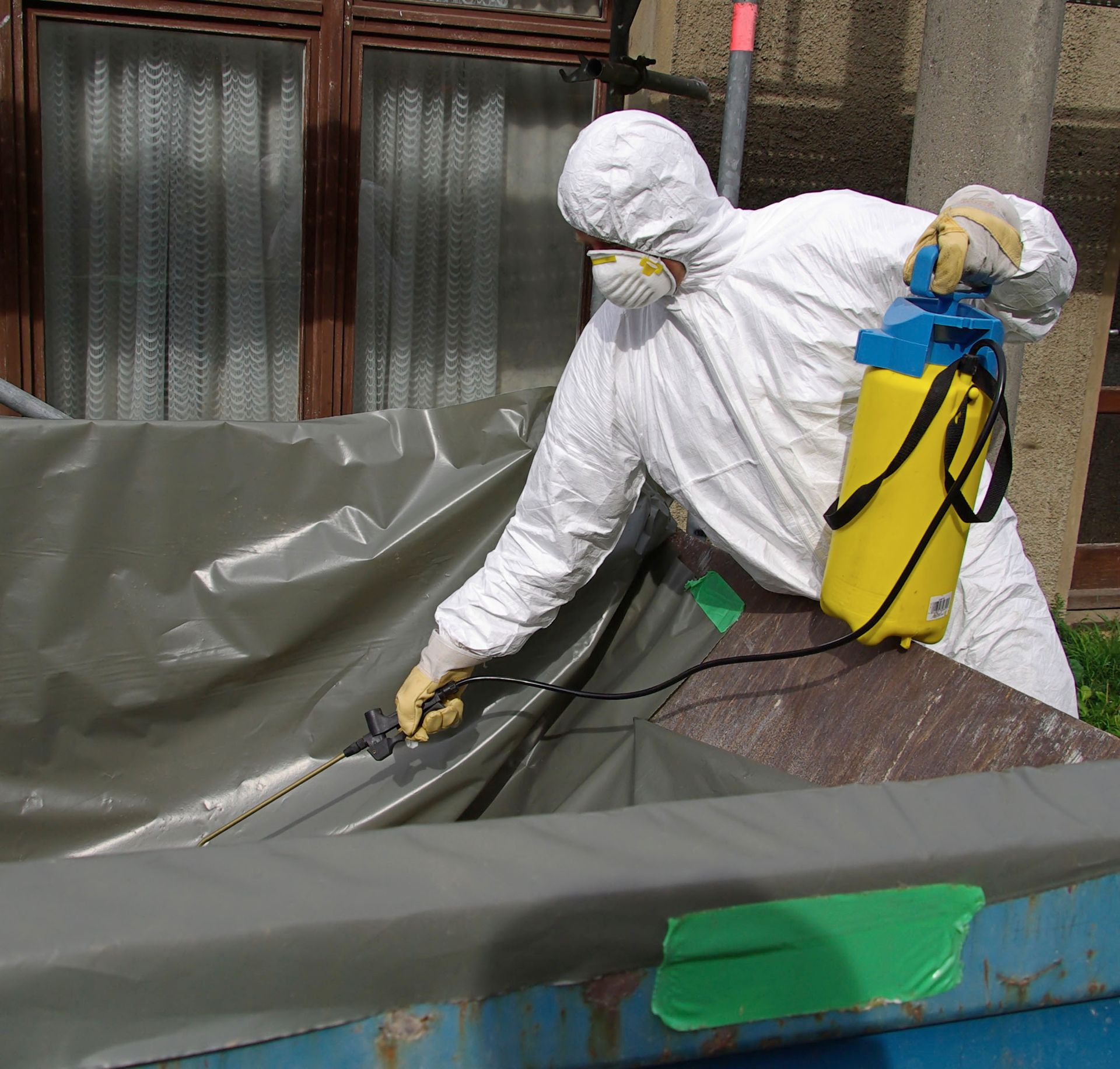
Professional VOC remediation may be appropriate when testing identifies contamination requiring corrective action. Environmental specialists can evaluate potential emission sources, determine which substances are present, and recommend solutions based on the building’s specific conditions.
Recognizing Unexplained Physical Discomfort
Indoor environmental conditions can influence how occupants feel throughout the day. Headaches, dizziness, nausea, and irritation involving the eyes, nose, or throat may sometimes be associated with exposure to certain VOCs. However, these symptoms are nonspecific and can have numerous other causes.
A concerning pattern may emerge when occupants consistently experience discomfort inside a particular building but notice improvement after leaving. This relationship does not establish VOC exposure as the cause, but it can justify a closer examination of indoor air quality.
Sensitivity to airborne chemicals varies considerably. Individuals with respiratory conditions or other health concerns may experience discomfort under circumstances that do not noticeably affect everyone else. The type of compound, concentration, exposure duration, and individual susceptibility can all influence potential health effects.
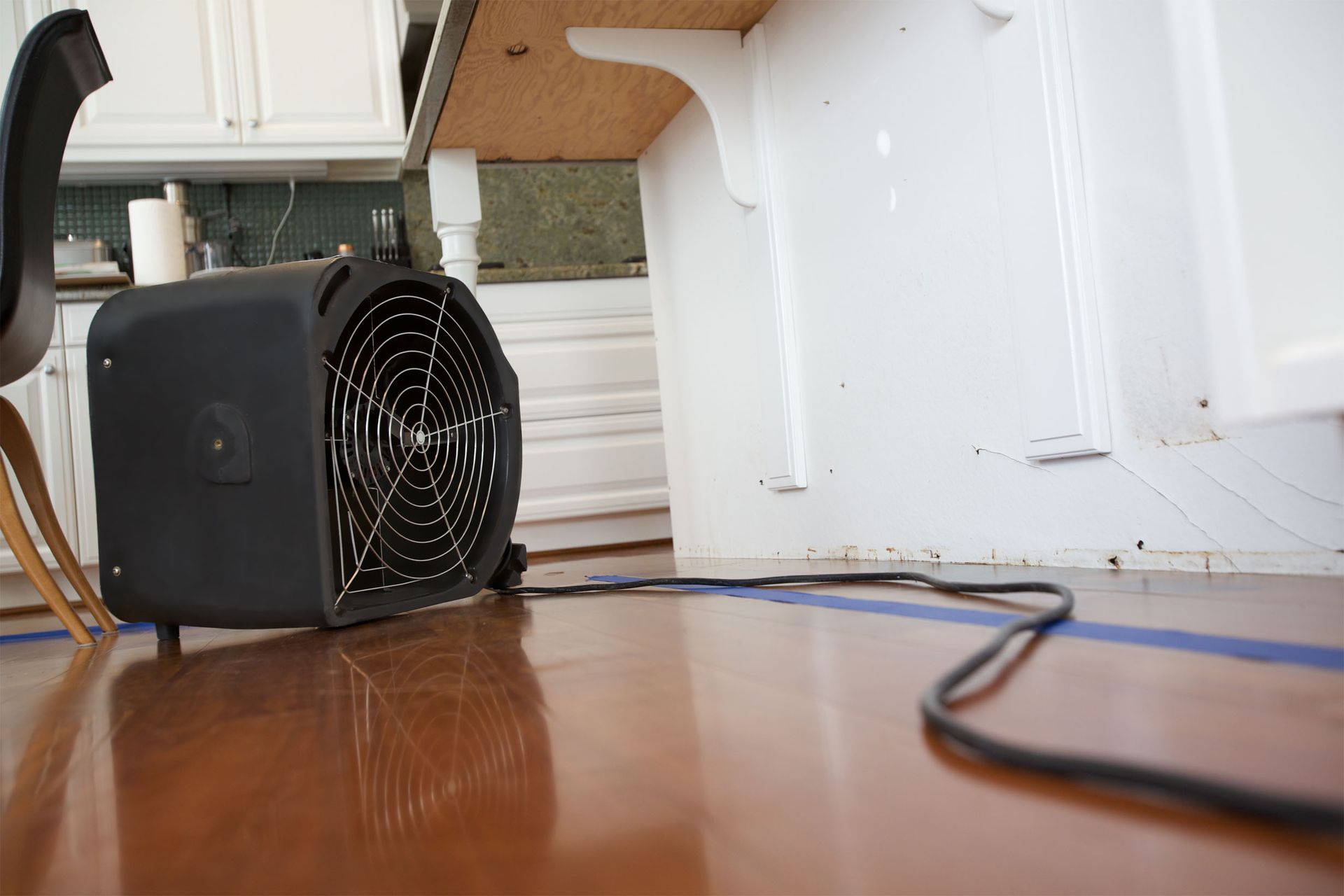
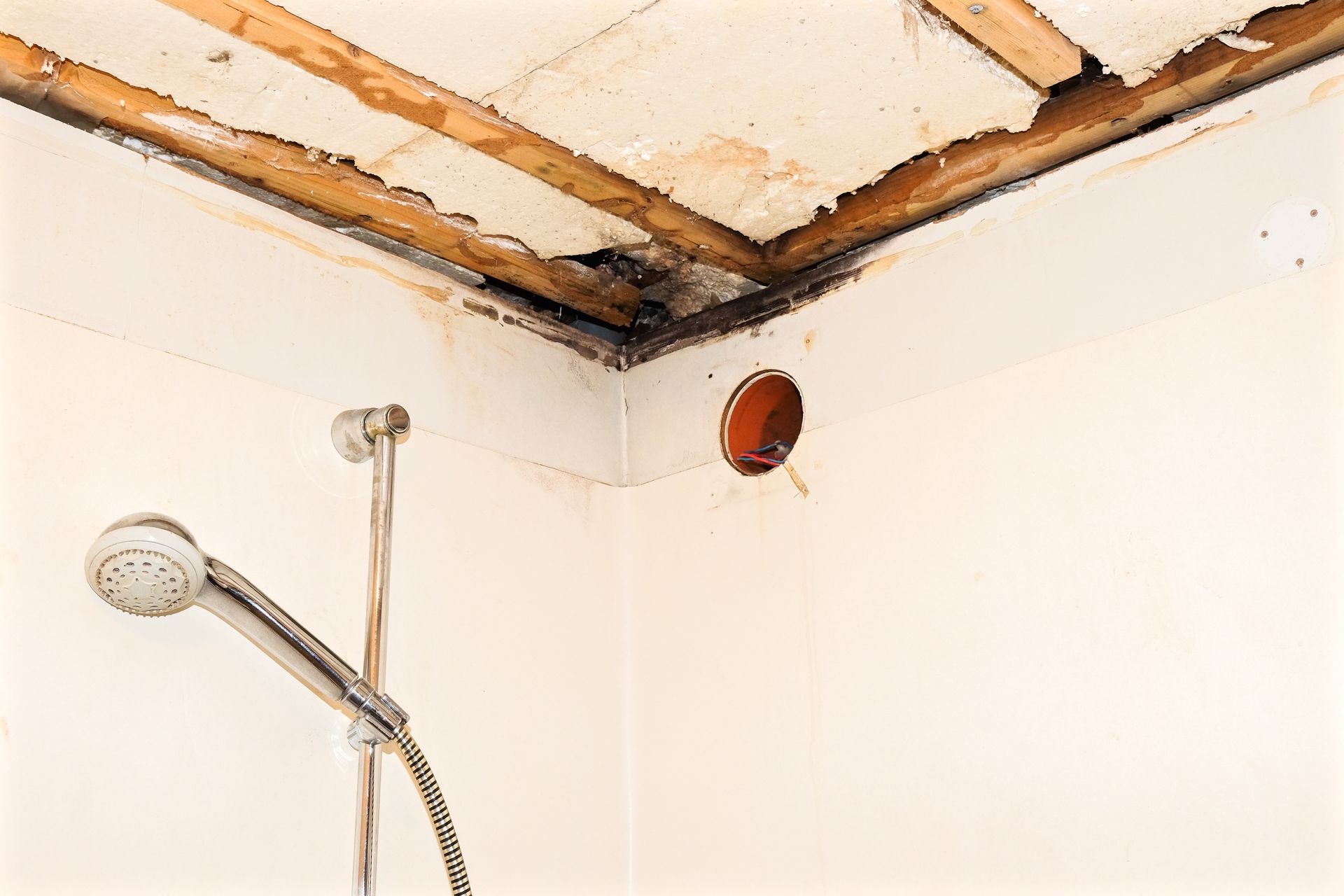
Indoor air concerns may also involve several environmental factors simultaneously. For example, moisture problems can contribute to microbial growth, while certain construction materials may release chemical emissions. According to a CDC/NIOSH calculation, 21% (95% CI 12%–29%) of current asthma in the United States is attributable to dampness and mold in homes. This finding concerns moisture and mold rather than VOC exposure specifically, but it highlights the importance of investigating indoor environmental hazards.
When symptoms coincide with suspicious odors or known chemical sources, professional VOC remediation services may form part of a broader environmental response. Qualified specialists can help identify contamination concerns while appropriate healthcare professionals evaluate persistent or worsening symptoms.
Recognizing Changes After Building Renovations
Renovation projects can introduce new materials that affect indoor air quality. Fresh paint, flooring systems, cabinetry, insulation products, sealants, and adhesives may contain compounds capable of entering the surrounding air during installation and afterward.
The presence of VOCs does not automatically mean a building is unsafe. Emissions vary substantially depending on product composition, application methods, ventilation, and environmental conditions. Nevertheless, noticeable changes following construction work can provide useful clues when investigating potential contamination.
For example, occupants may notice unfamiliar chemical odors after installing flooring or replacing cabinets. In other situations, discomfort may become more apparent after a commercial space undergoes extensive interior improvements. These observations can help environmental professionals identify materials that warrant further evaluation.
Newly installed products are not the only potential sources. Renovations may disturb previously concealed materials or expose contamination associated with earlier building activities. Commercial and industrial properties may have additional concerns involving chemical storage, manufacturing residues, or historical solvent use.
Professional VOC remediation begins with understanding the circumstances surrounding suspected contamination. Environmental testing can help distinguish ordinary material emissions from conditions requiring additional investigation or corrective action.
An informed assessment also considers how the building is used. Occupancy patterns, ventilation performance, and the location of potential sources can influence exposure conditions. These details help specialists develop recommendations that address the actual environmental concern rather than relying solely on the presence of a noticeable smell.
Recognizing Problems With Indoor Air Quality
Poor indoor air quality does not always produce a recognizable chemical odor. Some occupants may instead notice that certain rooms feel uncomfortable, that irritation occurs repeatedly in specific areas, or that indoor conditions seem to change when ventilation systems operate.
These observations can have several explanations, including inadequate airflow, humidity problems, airborne particles, or chemical emissions. Because different environmental issues can produce overlapping complaints, identifying the underlying cause requires careful investigation.
VOC concentrations can vary throughout a building. Enclosed storage areas, recently renovated rooms, and spaces containing chemical products may have different conditions from nearby occupied areas. Heating, cooling, and ventilation systems can also influence how airborne contaminants move between spaces.
A professional indoor environmental assessment may involve reviewing building conditions, identifying potential sources, and collecting appropriate air samples. Laboratory analysis can provide information about specific compounds when suitable testing methods are selected.
The results help determine whether VOC remediation is necessary and which corrective measures may be appropriate. Rather than assuming every indoor air complaint involves VOC contamination, environmental professionals consider the available evidence and evaluate alternative explanations.
This distinction is important for property owners seeking meaningful improvements. Addressing an unrelated ventilation concern will not necessarily eliminate emissions from contaminated materials. Similarly, removing a suspected source without confirming its relevance may leave the underlying problem unresolved.
A comprehensive evaluation supports decisions based on identified environmental conditions, helping property owners avoid unnecessary work while addressing contamination that requires attention.
Recognizing Recurring Contamination Concerns
A chemical odor that disappears temporarily but repeatedly returns can indicate an unresolved environmental issue. Recurring concerns may be associated with ongoing emissions, contaminated building materials, stored chemicals, or environmental conditions that influence how compounds enter occupied spaces.
Commercial properties may face additional challenges when previous operations involved solvents, fuels, coatings, or other chemical substances. Historical building uses can sometimes provide important context during an environmental investigation.
Recurring problems deserve particular attention when earlier maintenance efforts have not produced lasting improvements. Although ordinary cleaning or ventilation adjustments may change how a space smells, these measures do not necessarily address an underlying contamination source.
Environmental specialists evaluate the relationship between suspected sources, affected materials, and observed indoor conditions. Depending on the findings, corrective recommendations may involve source removal, professional treatment, containment, or other appropriate environmental controls.
Effective VOC remediation focuses on the contamination identified through assessment rather than simply masking odors. The appropriate response depends on the compounds involved, the affected environment, and the potential for continued exposure.
Follow-up evaluation may also be necessary to determine whether corrective measures achieved their intended objectives. Documenting environmental conditions before and after remediation can help property owners understand the results and identify concerns requiring further attention.
For businesses, resolving recurring contamination concerns can also support responsible property management and provide greater confidence in the condition of occupied workspaces.
Understanding the Importance of Professional Environmental Evaluation
Unusual odors, unexplained discomfort, recent renovations, declining indoor air quality, and recurring chemical concerns should not automatically be dismissed. Although these warning signs do not confirm hazardous VOC concentrations, they can indicate circumstances where professional investigation is appropriate.
Reliable environmental decisions depend on identifying the substances involved and understanding their potential sources. Professional testing helps establish a clearer picture of indoor conditions, while carefully selected corrective measures address contamination when necessary.
At Hera Environmental Laboratories, we understand the importance of evaluating environmental concerns with accuracy and care. Our team can help you explore professional testing and assessment options when you suspect chemical contamination. Contact us to discuss your concerns and learn how our VOC remediation services can support a more informed approach to your property’s indoor environmental conditions.