June 15, 2026
Indoor air quality is often associated with odors, dust, humidity, or visible mold, but some of the most serious risks cannot be detected by sight, smell, or touch. Radon is one of those concerns. It is a naturally occurring radioactive gas that can enter homes through soil, foundation openings, crawl spaces, sump pits, cracks, and other small gaps. Because it is invisible and odorless, homeowners may not realize there is a problem until testing is completed.
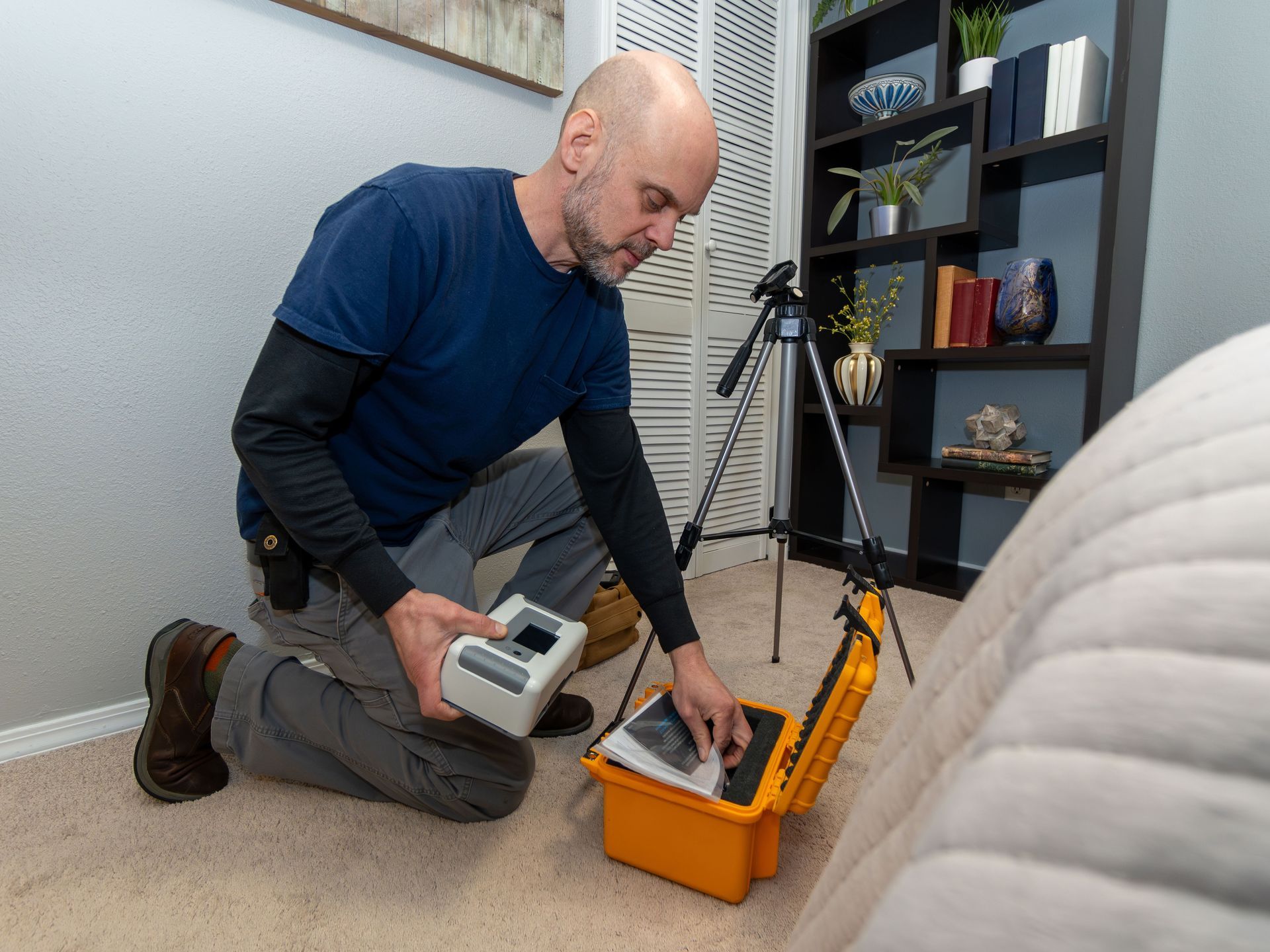
A radon inspection gives property owners practical information about a hidden environmental hazard that may affect long-term household safety. It can be especially important during real estate transactions, after major renovations, or when families want a clearer picture of their indoor air quality. While a home may look clean and well maintained, that does not mean the air inside is free from elevated radon levels. Professional testing helps turn an unknown risk into measurable information that can guide the next step. That clarity can be useful for long-time homeowners, new buyers, landlords, and families preparing to use lower-level rooms more often.
Identifying Hidden Sources of Exposure
Radon can move from the ground into a home through pressure differences between the soil and indoor living areas. Even small openings can create pathways for the gas to enter and accumulate. Basements, crawl spaces, slab foundations, utility penetrations, and foundation cracks can all play a role. Because these conditions are often hidden from everyday view, homeowners may not know where the risk begins.
A radon inspection helps identify whether indoor levels are elevated enough to require action. This is useful because radon exposure does not depend on how new, clean, or expensive a home is. Two homes in the same neighborhood can have very different readings based on soil conditions, construction details, ventilation, and foundation design. Testing provides information specific to the property rather than relying on assumptions about the surrounding area.
Supporting Health-Focused Home Decisions
Many homeowners schedule inspections for structural, electrical, plumbing, or pest-related concerns, but air quality deserves the same level of attention. Radon is linked to long-term health risk, which makes testing an important part of responsible home care. Since exposure can happen gradually over time, waiting for obvious warning signs is not a dependable approach.
The scale of the concern is significant. According to the Harvard School of Public Health, nearly 25% of the U.S. population, or more than 83 million people, may be exposed to dangerous radon levels at or above 148 Bq/m³. That statistic shows why radon inspection is not only useful for older homes or specific regions. It can matter for many households because elevated levels may be present without creating any visible change inside the property.
When homeowners understand their indoor radon levels, they can make informed decisions about mitigation, ventilation, repairs, or follow-up testing. This makes the inspection process less about fear and more about awareness. Clear data gives families a better foundation for protecting the people who spend the most time inside the home and reducing uncertainty about indoor conditions.
Clarifying Risks During Real Estate Transactions
A radon inspection can also be valuable when a home is being bought or sold. Buyers want to understand the property beyond its layout, finishes, and curb appeal. Sellers may want to identify concerns before listing so they can address them proactively. In both situations, testing can help reduce uncertainty during an already detailed process.
Because radon levels cannot be confirmed through a standard walkthrough, specific testing is needed. A home may have updated windows, a finished basement, newer mechanical systems, and strong visual appeal while still having elevated radon. Including air quality testing as part of the due diligence process gives buyers more complete information before making a long-term investment.
For sellers, early testing can prevent delays later in the transaction. If elevated levels are found, mitigation options can be discussed before negotiations become rushed. Documentation from a completed radon inspection can also show that the issue has been taken seriously. This can create a smoother conversation between homeowners, buyers, agents, and environmental professionals.
Recognizing Changes After Renovations
Home renovations can change the way air moves through a property. Finishing a basement, sealing windows, adding insulation, adjusting HVAC equipment, or altering foundation areas may affect ventilation and pressure patterns. These improvements may be positive overall, but they can also make it worthwhile to retest for radon afterward.
A radon inspection after renovation helps homeowners confirm that indoor conditions remain within safer ranges. This is especially important when living space is added below grade, since basements and lower levels are often closer to soil gas entry points. Families may use these areas as bedrooms, offices, playrooms, gyms, or entertainment spaces, increasing the amount of time people spend in areas where radon can collect.
Testing after major work also helps homeowners avoid assuming that a previous result still applies. Conditions inside a home can change as the structure, airflow, and usage patterns change. A follow-up inspection offers updated information that reflects the home as it is currently being used, not just how it performed in the past.
Encouraging Practical Mitigation Planning
When elevated radon levels are identified, the next step is usually mitigation. This may involve systems designed to draw radon from beneath the foundation and direct it safely outside. Other solutions may include sealing certain openings, improving airflow, or making repairs based on the property’s structure. The right approach depends on the home and the test results.
A radon inspection supports mitigation planning by providing measurable data. Instead of guessing whether a system is needed, homeowners can base decisions on documented readings. This can help prioritize repairs, budget appropriately, and choose the right professional guidance. It can also help determine whether post-mitigation testing is needed to confirm that the solution is working as intended.
Testing can also be useful for homes that already have mitigation systems. Equipment may need monitoring, maintenance, or follow-up evaluation over time. A home with an existing system should not be treated as permanently resolved without periodic confirmation. Continued awareness helps homeowners stay proactive rather than assuming that past work will always reflect current conditions.
Strengthening Everyday Peace of Mind
The value of radon inspection comes from its ability to reveal information that homeowners cannot gather on their own through normal observation. It provides a clearer understanding of a property’s indoor environment and helps people respond to a hidden risk before it becomes easier to overlook. For families, that knowledge can support better long-term planning and greater confidence in the spaces where they live each day.
Radon inspection is also a practical step because it does not require homeowners to wait for damage, odors, stains, or symptoms. Testing is direct, focused, and designed to answer a specific question: Are radon levels elevated inside the home? Once that answer is available, homeowners can decide what to do next with more confidence.
For many property owners, air quality improvements begin with awareness. A clean-looking home can still have hidden concerns, and even well-maintained properties can benefit from environmental testing. By including radon inspection in a broader approach to home safety, homeowners can take a more complete view of the risks that may exist inside their living spaces. Call Hera Environmental Laboratories today to discuss scheduling a radon inspection for your home.