April 21, 2026
Mold contamination creates serious health concerns and property damage, requiring professional remediation to ensure complete removal and prevent recurrence throughout affected structures. Many property owners feel uncertain about what professional mold removal entails, wondering about processes, costs, and how to evaluate contractors. Understanding what qualified professionals provide helps you recognize legitimate services from inadequate solutions that fail to address underlying problems. The difference between successful mold remediation and recurring contamination often comes down to thorough professional work versus superficial treatments. Learning what to expect from qualified contractors empowers you to evaluate services effectively, ensuring mold problems receive proper attention.
Conducting Comprehensive Initial Inspections
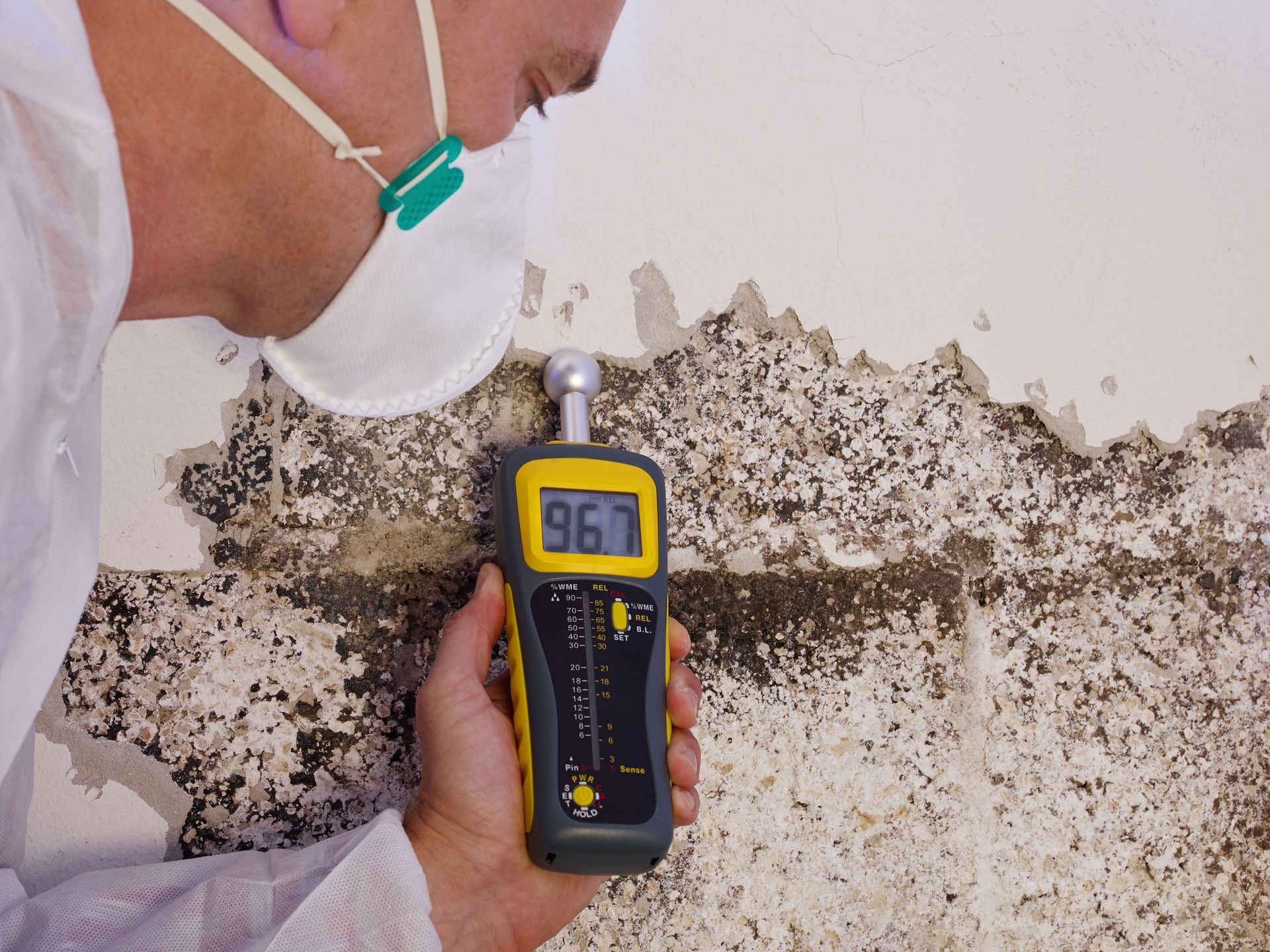
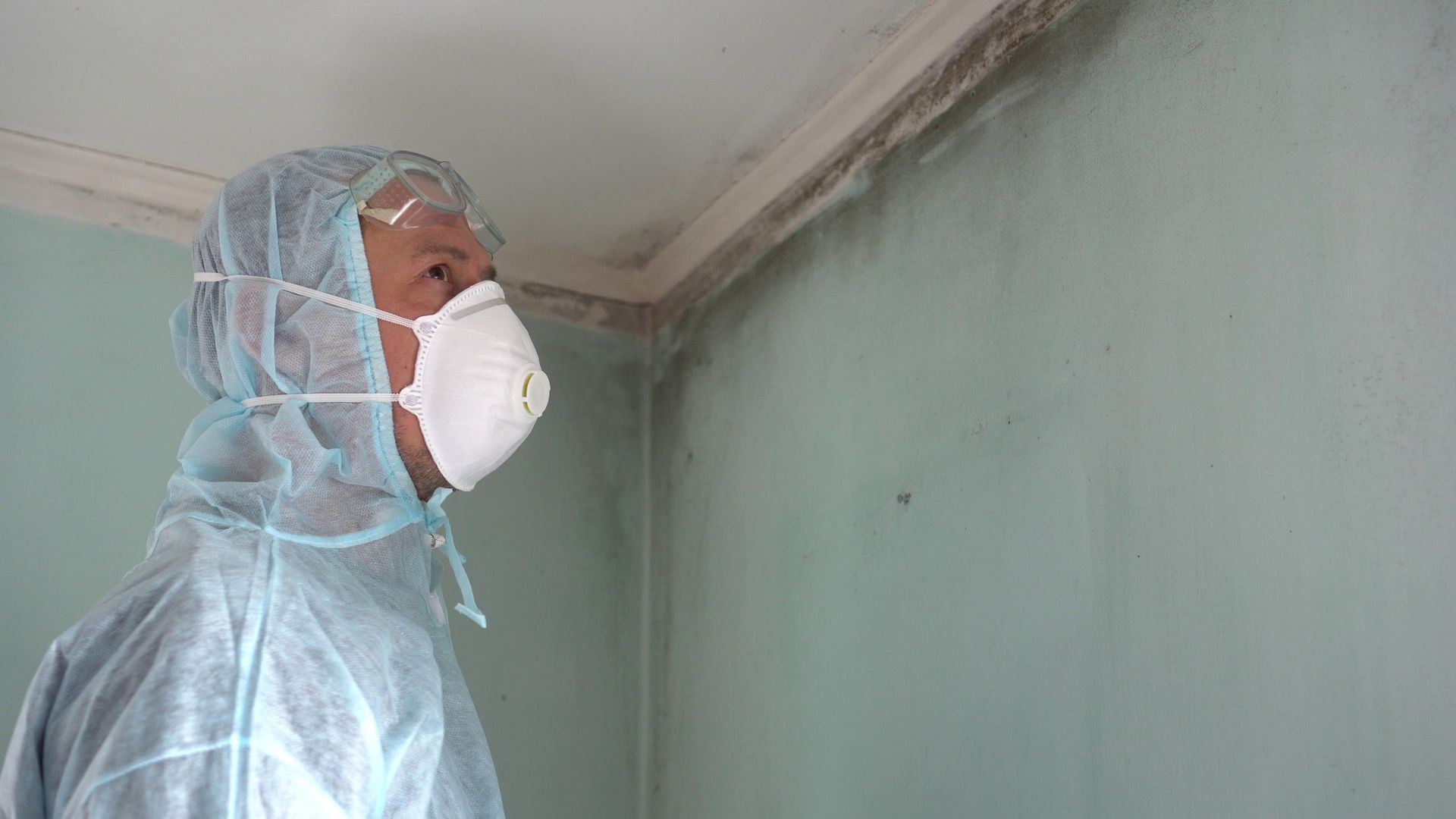
According to the Environmental Protection Agency, keeping indoor humidity below 60% reduces mold growth significantly throughout buildings and homes. Professional inspections identify all contaminated areas, including hidden growth behind walls, in crawlspaces, or within HVAC systems that visual examination misses. These thorough assessments use moisture meters, thermal imaging, and other specialized equipment to detect problems that untrained observers cannot identify accurately. The inspection comprehensiveness that qualified professionals provide ensures all contamination receives attention rather than just treating visible growth, while hidden problems persist. A qualified mold removal contractor performs detailed inspections documenting contamination extent, identifying moisture sources, and assessing structural damage before developing remediation plans. They test air quality when appropriate, determine mold types present, and provide written reports detailing findings and recommended corrective actions. The inspection thoroughness they demonstrate ensures an accurate understanding of problems before remediation begins, preventing the surprises that incomplete assessments create.
Identifying and Addressing Moisture Sources
Successful remediation requires eliminating moisture sources that caused mold growth initially, as removing contamination without fixing water problems guarantees recurrence. These moisture sources vary from plumbing leaks to condensation issues, each requiring different solutions to prevent future growth after remediation is complete. The moisture control that comprehensive service includes proves essential for long-term success, as mold returns quickly when conditions remain favorable. An experienced mold removal contractor identifies moisture sources through inspection, recommending repairs or modifications, eliminating conditions supporting mold growth before remediation begins. They may coordinate with plumbers, roofers, or HVAC technicians, addressing underlying problems, ensuring moisture control happens alongside contamination removal. The moisture expertise they bring prevents the recurring contamination that occurs when removal happens without addressing fundamental water problems, causing growth.
Developing Detailed Remediation Plans
Written remediation plans specify containment methods, removal procedures, materials being removed, and timelines, providing clear expectations before work begins. These detailed plans prevent misunderstandings about scope, allow accurate cost estimates, and ensure systematic approaches addressing all contamination throughout affected areas. The planning documentation that professionals provide creates accountability, as written plans specify exactly what work will occur and what results to expect. A thorough contractor provides written remediation plans detailing all work phases, containment procedures, removal methods, and disposal approaches for contaminated materials. They explain what homeowners should expect during each phase, how long the work requires, and what preparation property owners must complete. The planning clarity they provide prevents confusion about what's happening and ensures all parties understand the work scope before remediation begins.
Establishing Proper Containment During Work
Professional containment prevents mold spore spread to unaffected areas during removal, using plastic barriers, negative air pressure, and sealed work zones. This containment proves critical for preventing contamination spread that would expand problems rather than solving them during remediation activities and work. The containment protocols that qualified contractors employ protect unaffected areas through the isolation that prevents cross-contamination during removal processes throughout projects. Professional mold removal contractor containment includes sealing work areas with plastic sheeting, establishing negative air pressure with HEPA filtration, and controlling access to prevent spread. They create airlocks for entry and exit, ensure HVAC systems don't distribute spores, and maintain containment integrity throughout the entire remediation periods. The containment expertise they demonstrate prevents the contamination spread that inadequate isolation creates during removal work, despite good remediation intentions.
Using Proper Personal Protective Equipment
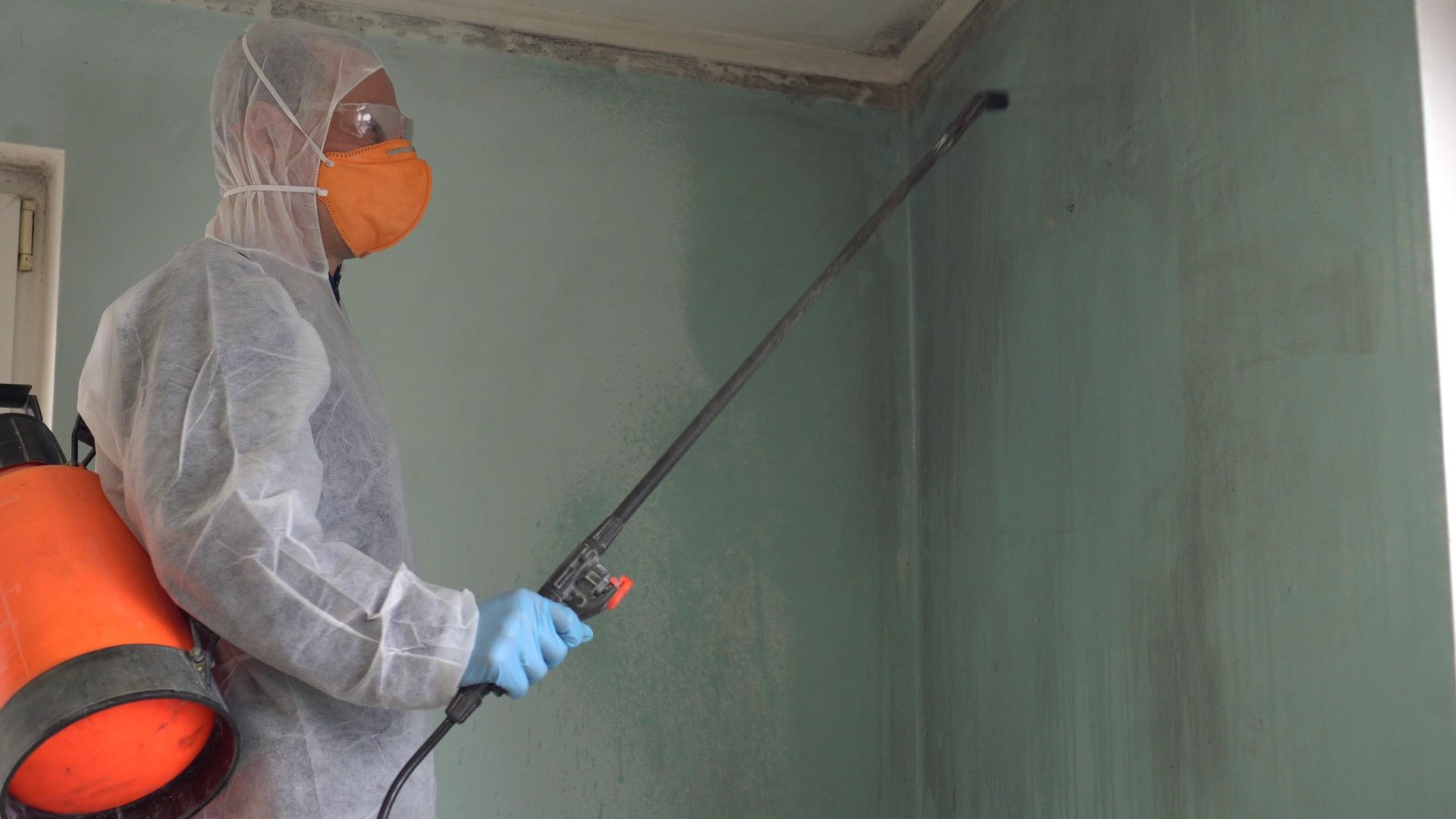
Technicians wear respirators, protective suits, gloves, and eye protection during mold removal, protecting themselves from exposure to harmful spores and mycotoxins. This safety equipment proves essential for worker protection, as mold exposure creates serious health risks during removal when concentrations prove high. The safety consciousness that proper PPE demonstrates shows professionalism and concern for both worker health and contamination control throughout work. A safety-focused mold removal contractor ensures all workers wear appropriate protective equipment, including NIOSH-approved respirators and full protective clothing, during remediation work. They maintain equipment properly, train workers on correct usage, and refuse to compromise safety despite time or cost pressures throughout projects. The safety commitment they demonstrate protects workers while signaling the professionalism that proper remediation requires throughout all phases of work.
Removing Contaminated Materials Properly
Porous materials, including drywall, insulation, and carpeting, require removal when heavily contaminated, as cleaning proves impossible despite attempted surface treatments. These materials require proper bagging, sealing, and disposal, preventing spore release during removal and transport to appropriate disposal facilities. The material removal that thorough remediation includes eliminates contamination sources that cleaning cannot address adequately, despite aggressive surface treatment attempts. Comprehensive mold removal contractor services remove all contaminated porous materials, bag them in sealed containers, and dispose of them properly according to regulations. They understand what materials can be cleaned versus requiring removal, make appropriate decisions based on contamination severity, and document disposal properly. The removal expertise they bring ensures contaminated materials leave properties rather than remaining despite surface cleaning, creating illusions of remediation.
Cleaning and Treating Salvageable Surfaces
Non-porous surfaces, including metal, glass, and hard plastics, can be cleaned using appropriate antimicrobial treatments, removing contamination without material replacement. These cleaning procedures use specialized products and techniques, ensuring complete mold removal from surfaces that remediation can salvage successfully. The cleaning protocols that professionals employ achieve thorough decontamination that household cleaning products cannot match, despite homeowner cleaning efforts. Experienced mold removal contractor cleaning uses HEPA vacuums, antimicrobial solutions, and proper techniques to remove mold from salvageable surfaces thoroughly and effectively. They clean systematically, verify complete removal, and apply treatments preventing recurrence on surfaces that remediation successfully decontaminates throughout affected areas. The cleaning expertise they demonstrate salvages materials when possible while ensuring thorough decontamination that surface wiping cannot achieve adequately.
Conducting Post-Remediation Verification
Professional services include post-remediation testing, verifying successful contamination removal, and ensuring air quality meets acceptable standards before reoccupation. This verification provides objective evidence that remediation succeeded rather than relying solely on visual inspection, which may miss remaining problems. The verification testing that comprehensive service includes proves work succeeded, protecting both contractors and property owners through documented confirmation of success. A quality-focused mold removal contractor conducts clearance testing after remediation, using independent laboratories to analyze air and surface samples, verifying successful contamination removal. They provide detailed reports showing contamination levels returned to normal background levels, documenting that remediation achieved intended results throughout affected areas. The verification they provide proves remediation succeeded rather than assuming success without objective testing confirming complete contamination removal occurred.
Understanding what professional mold remediation involves helps property owners recognize quality services from inadequate solutions that fail to address problems completely. The investment in qualified contractors delivers thorough remediation that DIY attempts or unqualified services cannot match, despite lower costs. Making informed decisions about mold removal ensures contamination receives the expert attention that health protection and complete elimination require. Whether you need mold testing, mold remediation, radon testing, radon mitigation, or asbestos testing and removal, Hera Environmental Laboratories offers free estimates, provides a 1-year service/5-year manufacturer warranty, and considers price matching. For more information, contact us today!