November 20, 2026
Bringing a new infant home introduces immediate priorities regarding hygiene, nursery preparations, and daily routines. Indoor air quality, however, represents one of the most critical factors influencing long-term infant wellness. Because indoor fungal spores settle quickly into carpets, drywall, and ventilation ducts, unaddressed water intrusion creates hidden risks. Hiring certified professionals for mold remediation eliminates airborne hazards before tiny airways experience irreversible harm.
Recognizing Vulnerabilities in Early Respiratory Development
Infants are distinctly susceptible to air contaminants because their anatomy continues to mature long after birth. At birth, human lungs contain only a fraction of the alveoli—the tiny air sacs responsible for gas exchange—that fully formed adult lungs possess. Newborns breathe at twice the rate of adults relative to body mass, inhaling substantially higher concentrations of ambient particulate matter per pound of weight.
Furthermore, the mucosal barriers within infant airways remain thin and permeable during the initial months of life. Inhaled spores easily penetrate into lower pulmonary tissues, where immune defenses struggle to neutralize fungal antigens. The metabolic systems that process environmental toxins are also functioning at nascent stages.
These biological differences mean that even brief exposure to fungal contamination triggers systemic inflammatory cascades. The physical dimensions of infant airways introduce additional risk factors:
- Small airway diameters become blocked by microscopic amounts of mucus.
- Incomplete immune responses permit rapid fungal colonization.
- Developing alveolar tissue sustains permanent architectural changes from chronic swelling.
When fungal colonies release mycotoxins into home environments, infants absorb these volatile compounds directly into their bloodstreams. Addressing domestic dampness quickly safeguards these delicate bodily structures during critical stages of physical development.
Examining Health Consequences of Airborne Indoor Fungi
Indoor mold issues extend beyond aesthetic stains and musty odors into severe medical concerns for growing children. Fungal exposure during infancy correlates with recurrent coughing, chronic wheezing, sinus infections, and persistent allergic rhinitis. Medical research confirms that early exposures alter pulmonary pathways permanently.
According to the National Institute of Environmental Health Sciences, infants who live in moldy homes were three times more likely to develop asthma by age seven. This significant statistical increase underscores how fragile early pulmonary tissues are when exposed to environmental contaminants.
Infants raised in damp environments frequently show elevated blood levels of immunoglobulin E, an antibody linked directly to allergic sensitization. When microscopic spores deposit inside non-ciliated bronchiole branches, irritation sets off chronic spasms that mirror childhood asthma attacks. In severe cases involving fungal species such as Stachybotrys chartarum, infants risk pulmonary hemorrhage, a life-threatening condition characterized by bleeding inside the lungs.
Common symptoms indicating that an infant suffers from fungal exposure include:
- Unexplained nocturnal wheezing and labored breathing patterns
- Persistent watery nasal discharge that fails to respond to common remedies
- Skin rashes, eczema flare-ups, and hives without dietary triggers
- Frequent awakenings caused by respiratory discomfort and nasal congestion
Addressing these indicators through pediatric evaluations is essential, but clinical treatment alone cannot resolve symptoms if the living space remains contaminated. Removing the underlying airborne pollutant source is the only sustainable path to recovery.
Eliminating Contamination Risks Through Structured Containment
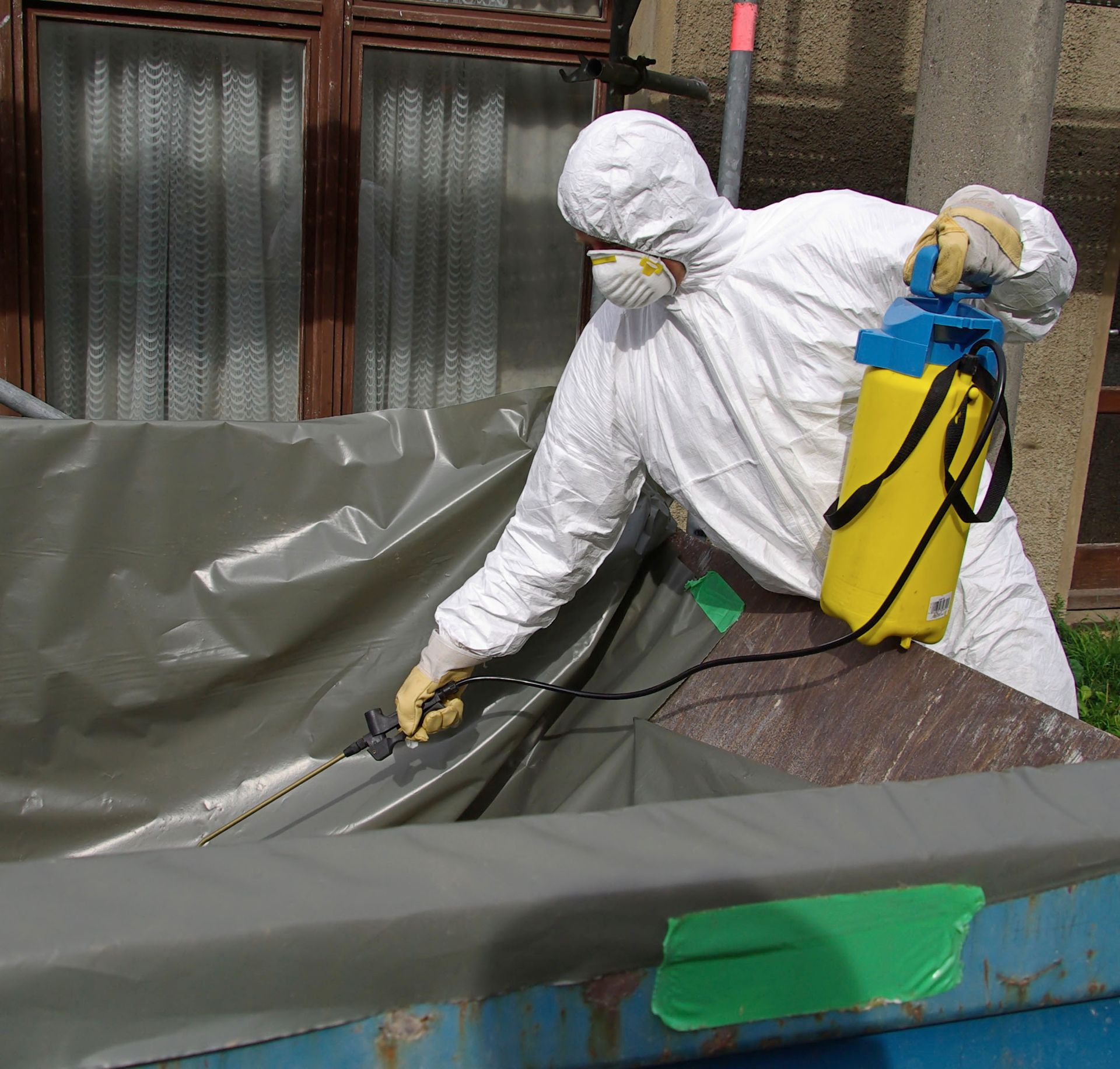
Attempting to wipe away visible mold colonies with store-bought chemicals or scrubbing pads disperses millions of microscopic spores into the air. This accidental dispersion spreads fungal particles across nursery furniture, clothing, and bedding, increasing the child’s toxic burden. Certified mold remediation adheres to established environmental guidelines that prioritize physical isolation of affected rooms.
The initial remediation phase establishes negative air pressure zones utilizing heavy-gauge polyethylene sheeting and industrial air filtration equipment. Commercial air scrubbers fitted with High-Efficiency Particulate Air (HEPA) filters extract contaminated air and vent it outside the structure, preventing cross-contamination into adjoining bedrooms. These HEPA units capture 99.97% of particulate matter down to 0.3 microns in size, catching loose spores, hyphal fragments, and mycotoxin dust.
Professional containment protocols follow structured operational steps:
- Technicians isolate contaminated living zones with airtight physical barriers.
- Negative air machines establish directional airflow toward outdoor exhaust points.
- Air monitoring equipment measures particle counts to track airborne disturbance.
- Porous building elements with extensive fungal hyphae penetration are removed under controlled conditions.
By preventing the migration of invisible particles throughout the home, professional containment procedures protect other living quarters where infants sleep, play, and rest.
Removing Fungal Growth and Restoring Structural Materials
True restoration requires far more than surface cleaning; it demands the complete physical removal of all colonized substrates. Fungal organisms send root-like structures called hyphae deep into porous building materials, including drywall, wood framing, subflooring, and acoustic insulation. Certified mold remediation protocols mandate the safe excision and disposal of these deeply contaminated materials.
Technicians place damaged drywall and insulation directly into sealed plastic bags before transporting them out of the residence, which keeps airborne dust contained. Structural framing that cannot be removed undergoes specialized abrasive cleaning, such as HEPA-vacuuming followed by damp-wiping with EPA-registered antimicrobial solutions. In cases of stubborn root growth, dry ice blasting lifts fungal roots without leaving chemical residues behind.
Uncertified surface scrubbing frequently leaves living fungal roots intact beneath paint or baseboards. Once ambient humidity levels rise above 55%, dormant roots produce new surface fruiting bodies and release fresh batches of spores into infant sleeping spaces. Systematic material removal guarantees that biological growth ceases at the foundational level, providing permanent relief for household members.
Regulating Indoor Moisture Sources to Stop Spore Germination
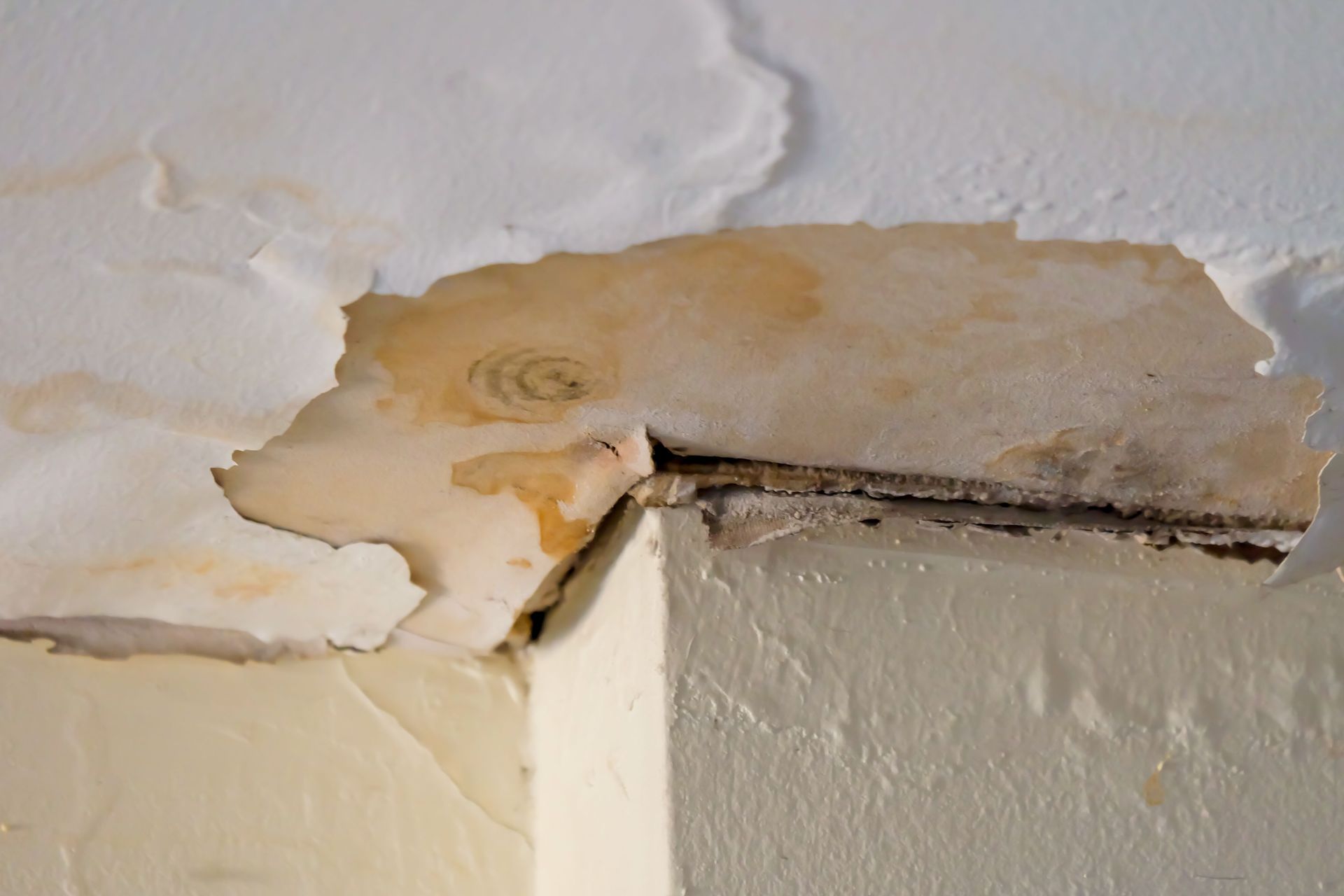
Fungi cannot proliferate without available moisture. Remediating living spaces without correcting moisture imbalances merely delays the recurrence of microbial contamination. Certified environmental technicians identify moisture sources by deploying specialized diagnostics, such as thermal imaging cameras and pinless moisture meters.
Plumbing leaks behind bathroom fixtures, foundation seepage in basements, and condensation along HVAC ductwork represent common culprits behind hidden dampness. Remediators isolate these structural flaws and dry surrounding framing materials to target equilibrium moisture contents, typically below 15% in structural lumber.
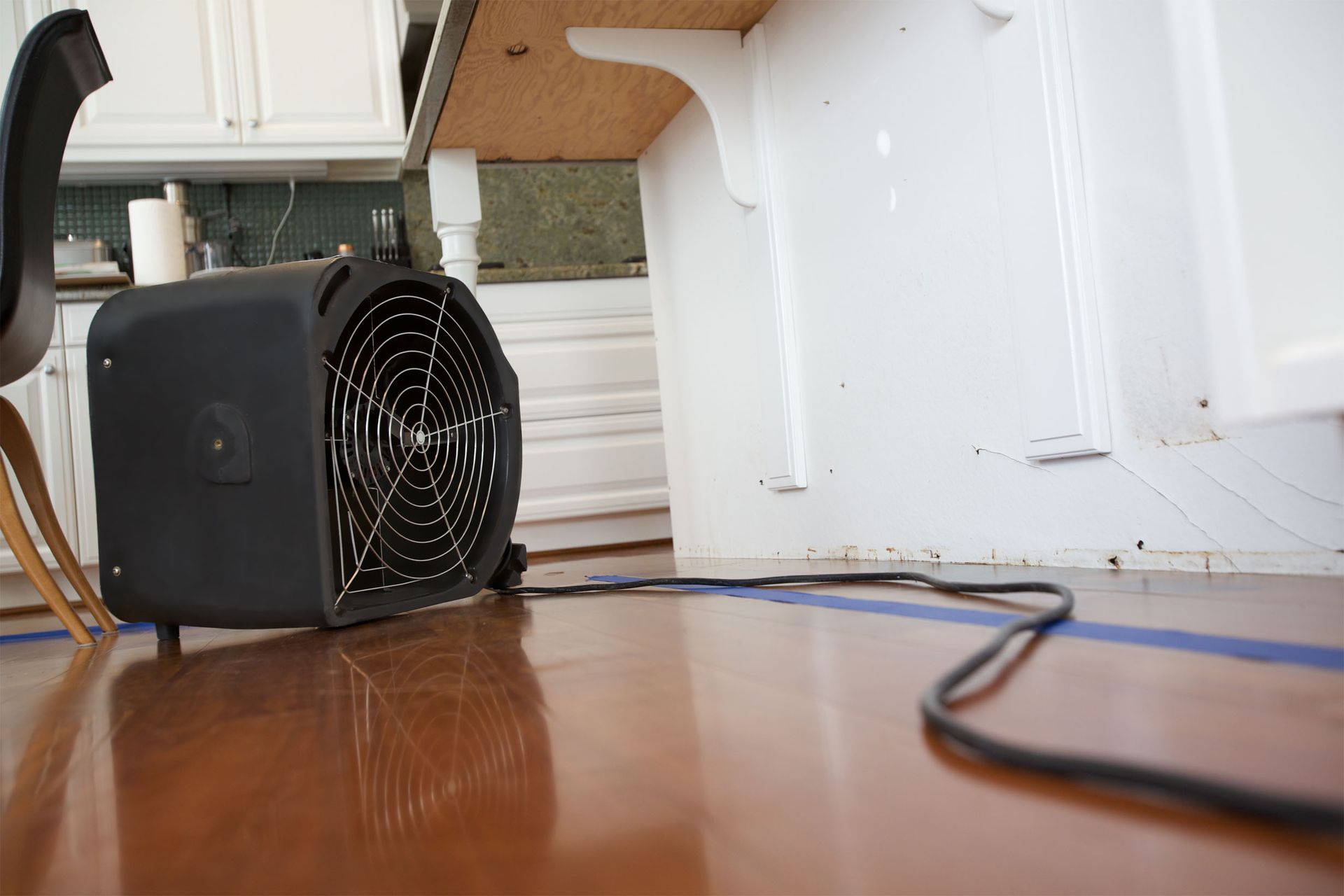
Dehumidification forms a key defense for maintaining clean nursery air. Keeping indoor relative humidity levels between 30% and 50% deprives dormant fungal fragments of the moisture necessary to germinate. Regular environmental maintenance involves:
- Repairing pipe drips and foundation cracks immediately
- Running exhaust fans in bathrooms and kitchens during use
- Installing continuous-drain dehumidifiers in below-grade basements
- Cleaning air-conditioning condensate pans and drain lines seasonally
Eliminating active dampness protects indoor building materials and maintains an atmospheric baseline that resists airborne biological growth over decades.
Verifying Air Purity Through Scientific Clearance Testing
A mold remediation project is incomplete without rigorous scientific verification. Following physical cleaning and material removal, independent environmental analysts conduct clearance testing to confirm the residence is safe for an infant to inhabit. Technicians collect ambient indoor air samples alongside baseline outdoor control samples to compare fungal counts and species compositions.
Clearance testing requires that indoor spore concentrations fall below outdoor levels, with zero elevated counts of aggressive fungal taxa such as Aspergillus, Penicillium, or Stachybotrys. Optical microscopy and culturable air tests confirm that no hidden reservoirs continue to shed spores into the circulating air supply.
Once laboratory analysis confirms that indoor particle loads match or outperform outdoor air metrics, the containment equipment is decommissioned. This definitive scientific proof provides household caregivers with objective data confirming their home environment supports healthy pediatric respiratory development.
Preserving clean indoor air is the single most valuable preventive measure parents can take to support an infant’s developing pulmonary system. Professional mold remediation stops environmental irritation before chronic inflammation turns into persistent asthma or permanent respiratory compromise. If you suspect water damage or fungal contamination in your home, protect your family by scheduling comprehensive testing and mitigation with Hera Environmental Laboratories.